How to balance your fitness week in Grand Rapids

How to Build a Balanced Fitness Week in Grand Rapids

Move Smarter, Not Harder

In a city as active as Grand Rapids, it’s easy to feel like you have to do it all. Strength train. Get your cardio. Stretch more. Meditate. Don’t forget core. And while variety is the spice of life (and fitness), too much too fast can leave you exhausted—or worse, injured.

At Fever Yoga Cycle Strength, we believe in building a sustainable fitness routine that works with your body, not against it. Here’s how to create a weekly plan that keeps you moving, motivated, and balanced—without burning out.

1. Build a Strong Base: Strength Training (2x/week)

Strength is your foundation. Whether you’re cycling, flowing, or pulsing at the barre, it supports joint health, improves posture, and enhances performance across all modalities.

Our group personal training classes in Grand Rapids are designed to take the guesswork out of your workouts. You’ll build strength safely with guidance, structure, and motivation in a small group setting.


2. Boost Your Heart Health: Cycle or Heated Barre (1–2x/week)

Add in some cardio—but keep it smart and sustainable. Our indoor cycling classes in Grand Rapids are high-energy, music-driven, and low-impact, giving you an effective burn without taxing your joints.

Or try our upgraded heated barre classes in Studio B, powered by radiant infrared heat for a sweat that supports recovery, mobility, and skin health.

3. Balance It Out: Yoga (1–3x/week)

Yoga is where strength meets softness. Our hot yoga and restorative yoga classes support mobility, mindfulness, and nervous system regulation—perfect for recovery, grounding, or a powerful standalone workout.

Whether you’re recovering from a strength session or winding down after work, yoga is your body’s best reset.

4. Sample Balanced Week

Here’s one sample routine out of many diverse options that many of our Fever members follow:

•   Monday: Group FIT Strength Training (30) and Express RIDE (Indoor Cycling) (30) OR Barre Sculpt (50) OR Hot Pilates (50)

•   Tuesday: Power Vinyasa Hot Yoga (60 hot) or Slow Flow Hot Yoga (60 hot) •   Wednesday: Restore + Sound Bath (60 assisted class) RECOVERY DAY

•   Thursday: Hot Barre Burn (50 infrared)

•   Friday: Vinyasa Hot Yoga (45 hot) or Hot Pilates (50)

•   Saturday: RIDE (Indoor Cycling 30 ) or Pilates (50)

•   Sunday: Slow Flow Hot Yoga (60 hot) or RIDE (Indoor Cycling 30)

The key? Listen to your body. Your energy fluctuates. We help you stay consistent while honoring your limits.

Final Thoughts: Keep Your Fitness Flowing

At Fever YCS we offer flexible, results-focused programming to support your goals. You don’t need to do it all—you just need the right balance of movement, recovery, and consistency depending on what you need that day.

Ready to build your balanced week? Check our class schedule and start strong today.
Do Grand Rapids locals prefer working out in the morning or afternoon?

Do Grand Rapids Locals Prefer Morning or Evening Workouts?

If you’re trying to find the best time to work out in Grand Rapids, you’re not alone. One of the most common questions we hear at Fever Yoga Cycle Strength is: “Should I be working out in the morning or the evening?” While both options have benefits, we’ve noticed clear patterns right here in our community—and we’re here to help you discover what works best for you. Building a balanced fitness week is key to a successful routine.

Morning Workouts in Grand Rapids

Many of our members love the sense of accomplishment that comes from getting their movement in early. Whether it’s a sunrise hot yoga class, a focused barre session, or a strength class that jump-starts your day, morning workouts offer:

•   A mood and energy boost (thanks, endorphins)

•   Better consistency and fewer schedule interruptions

•   A sense of community with other early risers

At our Grand Rapids fitness studio, popular morning classes include hot yoga, barre sculpt, strength training and cycle—especially before work hours.

Evening Workouts in Grand Rapids

For others, evening workouts at Fever offer a welcome release after a busy day. Whether you’re sweating it out in a high-energy cycle class, building strength with resistance training, or grounding down with yoga, evening workouts:

•   Help release daily stress

•   Offer more flexibility for late risers or parents

•   Often feel more social and community-driven

We see consistent turnout for evening hot yoga in Grand Rapids, especially among those who prefer to work out after 5 p.m.

Which Is Best? The Answer: It Depends on You.

Whether you prefer AM or PM workouts, we’ve got options to meet your schedule. Our goal at Fever is to support your long-term consistency—so choose the time that helps you show up most regularly.

Looking to build a habit? Start with 2–3 classes per week during your preferred window, and mix in a variety of modalities:

•   Barre, Pilates, Hot Pilates and Hot Barre in Grand Rapids for strength and alignment

•   Hot yoga for detox, flexibility, and empowerment

•   Group personal strength training  for guided results

•   Cycle classes in Grand Rapids for high-energy cardio

Final Thoughts

At Fever YCS, we offer morning and evening fitness classes because we know one size doesn’t fit all. Your lifestyle, energy levels, and goals matter—and we’re here to support them with flexible schedules, welcoming instructors, and results-driven programming.

2025 fitness trends in Grand Rapids

Top 5 Fitness Trends in Grand Rapids for 2025

1. Infrared-Heated Barre Classes in Grand Rapids

One of the most transformative trends in Grand Rapids fitness for 2025 is the rise of infrared-heated classes. Not to be confused with a “red light” designed for recovery. At Fever | Yoga Cycle Strength, we offer Grand Rapids’ only infrared-heated barre classes—designed to support detoxification, increase circulation, and promote joint mobility in a breathable, gentle heat.

Unlike traditional forced air, our radiant panels create an environment that feels therapeutic rather than oppressive. When you flow through heated barre, the infrared experience makes every movement more effective.

2. Hybrid Classes That Blend Strength, Cardio, and Mindfulness

Hybrid formats are redefining fitness in Grand Rapids—offering the best of strength training, cardio, and mind-body practices in one class. Fever’s popular offerings like Barre Heat and Ride + FIT are ideal for clients looking to maximize their time and results.

Our hybrid classes in Grand Rapids help clients tone and strengthen while staying mentally focused. These well-rounded formats resonate with people looking to avoid burnout and maintain consistency with a more mindful and efficient fitness routine.

3. Group Personal Training with Built-In Camaraderie

Fitness in Grand Rapids is becoming more community-driven, and group personal training is leading the charge. Unlike large gym settings where you’re left to figure it out on your own, Fever’s group personal training classes offer structure, accountability, and camaraderie—all in a supportive, expertly guided environment.

These small, technique-focused strength sessions help our Grand Rapids members stay motivated while improving form, safety, and strength. Whether you’re new to lifting or getting back into a routine, the group dynamic enhances the experience while helping each person grow.

4. Recovery and Safety as Core Pillars of Grand Rapids Wellness

In 2025, recovery and safety are at the forefront of every smart fitness routine. At Fever, we emphasize proper alignment, modifications, and nervous system support across all of our barre and yoga classes in Grand Rapids.

Classes like Glow Restore, classical alignment-based yoga (Iyengar) in Grand Rapids, and our targeted mobility practices offer clients a way to reconnect, release tension, and build resilience. Our instructors are trained to guide students with care, helping them avoid injury and build body awareness that lasts beyond the mat.

5. Community-Centered Wellness Events in Grand Rapids

Wellness in Grand Rapids is becoming more experiential and inclusive. That’s why Fever hosts pop-up yoga at the Grand Rapids Art Museum, seasonal outdoor classes, and donation-based community sessions.

These events invite new people into the practice while building community through movement. Whether it’s a special hot yoga session in Grand Rapids or a casual group meditation downtown, our events make fitness feel accessible and joyful.

Conclusion

As the Grand Rapids fitness community continues to evolve, Fever | Yoga Cycle Strength remains committed to leading with intention, quality, and inclusivity. Whether you’re drawn to hot yoga, barre, strength training, or restorative recovery, our studio offers something for every body.

Explore our full schedule of fitness class and see why more people are choosing Fever for yoga in Grand Rapids, barre classes in Grand Rapids, and mindful fitness experiences that last.

Unlocking your potential: the power of nutrition and fitness.

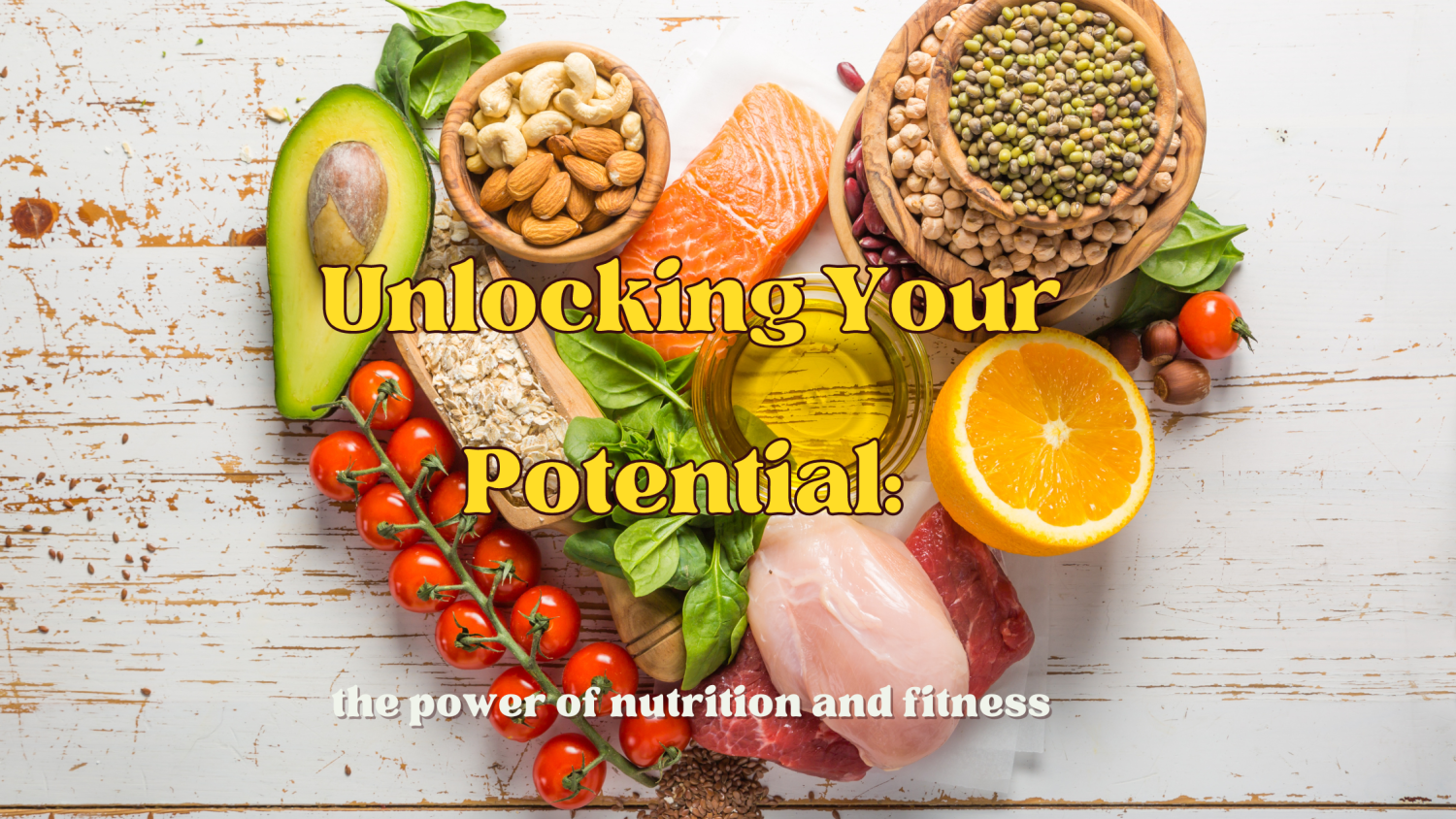
Unlocking Your Potential: The Power of Nutrition and Fitness

Achieving your fitness goals is a holistic journey, and it all starts with proper nutrition and fitness. Balancing your diet and exercise routine is crucial for long-term success. In today’s fast-paced world, it’s easy to overlook the importance of these foundational pillars of health. Let’s delve deeper into the synergy between nutrition and fitness and how they can transform your life.

The Nutritional Foundation: Fueling Your Success

Your body is like a high-performance machine, and it requires the right fuel to operate optimally. When you provide it with the right nutrients, it rewards you with enhanced energy levels, mental clarity, and overall well-being. It’s not just about counting calories; it’s about the quality of those calories.

Start by nourishing your body before and after your work out with a variety of nutrient-dense foods into your diet. Lean proteins like chicken, fish, and tofu provide essential amino acids for muscle repair and growth. Complex carbohydrates like whole grains and legumes supply steady energy throughout the day. Don’t forget the importance of healthy fats from sources like avocados, nuts, and olive oil.

Balancing these elements ensures your body has the tools it needs to recover from workouts and perform at its best. A well-rounded diet also supports your immune system and promotes longevity.

Hydration is another key factor in balancing your bodies energy and resources. Staying hydrated during your workouts with the proper electrolytes and minerals will along you to sustain endurance and replenish your body quicker.

Fitness: The Path to Vitality

Coupled with proper nutrition, fitness is your gateway to a healthier, more vibrant life. Regular physical activity not only helps you achieve and maintain a healthy weight but also reduces the risk of chronic diseases like heart disease, diabetes, and hypertension.

Exercise isn’t limited to intense gym sessions. It can encompass a variety of activities that you enjoy, such as swimming, hiking, dancing, or even gardening. The key is consistency. Aim for at least 150 minutes of moderate-intensity aerobic activity per week, along with strength training exercises on two or more days.

Fitness is not just about the physical benefits; it also enhances your mental health. It releases endorphins, reducing stress and boosting your mood. Moreover, it promotes better sleep, leaving you feeling refreshed and ready to tackle the challenges of each day.

For more guidance on crafting a balanced fitness routine, explore resources from renowned fitness organizations such as the [American Council on Exercise].

In conclusion, nutrition and fitness are the cornerstones of a healthier, more fulfilling life. By nourishing your body with the right nutrients and staying active, you unlock your potential to achieve your goals and enjoy a higher quality of life. Remember, this journey is not about perfection but about progress, and every step you take brings you closer to your best self.

how to form habits

How to Form Habits that You’ll Keep for Life

As the new year approaches, many of us begin thinking about the resolutions, goals, or intentions we want to set for the year ahead. And I don’t know about you, but I used to be hesitant about setting resolutions, because, midway through the year, my motivation would drop and I’d start slipping away from the behaviors I had so eagerly envisioned in January.

Commitment is hard, especially when it comes to life-changing habits and behaviors, like eating a vegan diet or consistently exercising. Whatever you repeatedly do forms the person you become, the things you believe, and the personality you portray. So if you want to improve, or form new habits, how should you go about it?

Over the years, I’ve learned a few tips and tricks for creating habits that endure past the last snowfall.

The 3 R’s to Forming New Habits:

Reminder– this is the trigger that initiates the behavior you’re trying to enact. Several weeks into your commitment, it can be easy to start slipping back into your old ways. Set a reminder to execute your habit every day. It doesn’t matter whether this is a phone alert, a physical cue, or something else – what matters is that you see or hear a reminder that prompts you to take action.
Routine– this is the behavior itself, or the action you take. Commit to 30 days of whatever habit you’re trying to form, whether it’s eating vegan, flossing your teeth, moving your body daily or practicing yoga. Three to four weeks is all the time you need to make a habit automatic, and a month is a good amount of time to commit to, since it easily fits in your calendar!
Reward– this is the benefit you gain from doing the behavior. If you’re committing yourself to creating a new habit, it most likely is because you want to improve on some aspect of your life. Therefore, there are usually innate benefits to forming the habit, such as a healthier immune system, stronger teeth, or a more toned body. But it doesn’t hurt to personally reward yourself, as well! It’s important to celebrate because we like continuing actions that make us feel good. Whether you quietly tell yourself “Good job. You made progress today!” or physically reward yourself with some form of treat, what matters is acknowledging your progress.

A Few Other Helpful Tips:

Find a Buddy: Find a friend who will join you in the pursuit of this new habit. There’s nothing like an accountability partner to keep you motivated if you feel like quitting.

Be Imperfect: You can’t expect your attempt to change huge lifestyle behaviors to be successful immediately. You might fall astray during your 30 day commitment, or it might even take longer to fully form. No worries, friends! Just expect a few bumps along the way.

Be Consistent in Your Timing: For habits like exercising and yoga, being consistent in the time you choose to practice is key. During your 30 day challenge, commit yourself to practicing your new habit at the same time each day, whether that’s morning, evening, or right after work.

Is Indoor Cycling A Good Workout?

Is Indoor Cycling a Good Workout?

Indoor cycling classes are often known for their upbeat music, fast pace, and party-like atmosphere. But is indoor cycling really a good workout? Can an exercise that’s fun be effective, too? Let’s explore the strength, cardio, and weight loss benefits of indoor cycling.

The Strength Benefits of Indoor Cycling

Indoor cycling helps to build and strengthen many of the largest muscle groups in your body, including your calves, hamstrings, quads, and glutes. These core muscles power your cycling workout—and the higher you set your resistance, the harder these muscles will work.

Cycling also helps to strengthen your core, which keeps your body aligned and stable when sitting or standing on the bike. Cycling instructors may also incorporate upper body work into a class through the use of dumbbells, a weighted bar, or through push up movements on the bike.

Investing in the right indoor cycling shoes can significantly enhance your workout experience. Proper gear, like well-fitted shoes, ensures optimal foot support, reducing the risk of discomfort or injury during intense cycling sessions. When you clip into the pedals with recommended indoor cycling shoes, you gain improved power transfer and efficiency, allowing for a smoother ride and maximizing the benefits of your workout. Upgrade your gear for a more comfortable, efficient, and enjoyable indoor cycling experience.

The Cardio Benefits of Indoor Cycling

Cardio exercises, especially those that are medium to high-intensity like indoor cycling, are extremely beneficial for cardiovascular health. Regular cardio exercise helps increase the output capacity of your heart as well as your VO2 max—the ability of your heart and lungs to consume oxygen.

This improved capacity and stamina in your heart and lungs means that you’ll be able to cycle and exercise harder, faster, and for longer. And even more importantly, your heart and lungs will be healthier for your everyday activities and life.

Tip: One extra benefit of indoor cycling over other cardio activities like running is that it is low-impact and easier on your joints. That means shorter recovery times and a lessened risk of injury over time.

The Weight Loss Benefits of Indoor Cycling

The interval style of indoor cycling classes offers unique benefits for calorie burn and weight loss: most classes include a rotation of focus on high speed, high resistance, and overall endurance that causes your heart rate to rise, fall, and rise again. This style of training gets your heart pumping and metabolism burning faster than a typical steady-state workout, and also contributes to higher oxygen consumption post-workout—meaning that you’ll keep burning calories at a higher rate even after the workout is done.

If you’re looking to challenge your muscles, get your heart pumping, and leave your next workout both sweaty and smiling, indoor cycling is the perfect choice for you. Schedule a class at Fever | Yoga Cycle Strength today.


Indoor cycling: A beginners guide

Indoor Cycling: A Beginners Guide (Everything You Need to Know!)

Indoor cycling, also known as “spin,” simply means the act of cycling on an indoor stationary bike as opposed to out on the open road. This type of workout has grown in popularity over the years through studio classes like SoulCycle and at-home workouts like Peloton.

Trying a new style of workout can be intimidating, but there’s nothing to fear. Indoor cycling is great for beginners and requires very little knowledge or equipment to get started. If you’re wondering what all the hype is about, read on to discover the unique benefits of indoor cycling and what you can expect at your first indoor cycling class.

What are the Benefits of Indoor Cycling?

Indoor cycling offers numerous benefits for your physical and mental health. Medium to high-intensity cardio exercises like indoor cycling are extremely beneficial for cardiovascular health as they help to increase the output capacity of your heart as well as your VO2 max—the ability of your heart and lungs to consume oxygen.

Indoor cycling helps to build and strengthen many of the largest muscle groups in your lower body, such as your calves, hamstrings, quads, and glutes. It also helps strengthen your core, which acts as a stabilizer throughout the workout.

Indoor cycling classes are often known for their feel-good, endorphin-pumping atmosphere. And because indoor cycling is low impact, you can expect fewer injuries and quicker recovery times than other cardio activities, like HIIT style workouts or running.

Do You Need Special Equipment for Indoor Cycling?

When it comes to clothing, your typical workout apparel is just fine for an indoor cycling class—whether it’s bike shorts, leggings, or anything in between, wear what makes you feel most confident and comfortable.

Some indoor cycling gyms or studios may require cycling-specific shoes that clip into the pedals of the stationary bike, but most have bikes that are equipped with an option for regular shoes as well. It’s always best to check beforehand.

While not totally necessary, cycling shoes have many benefits: they ensure that your bodyweight is distributed evenly across your feet, increase your stability on the bike, help you exert more power with every stroke, and decrease risk of injury. Bikes equipped for regular tennis shoes will often have adjustable toe cages and straps to ensure a secure and comfortable fit—but if you’re not clipped in, you may find that your feet slip out of the pedals more frequently.

What to Expect at Your First Indoor Cycling Class

Indoor cycling classes typically range from 30 minutes, to 45 minutes, to a full hour. If you’re new to indoor cycling, plan to arrive 5-10 minutes before class so that your instructor can help you get settled in. Indoor cycling bikes have adjustment options for height, seat, and handlebar placement, so don’t hesitate to ask your instructor to help you find the perfect fit on your bike.

Your indoor cycling class will start with an easy song or two to warm up your legs. Your instructor should walk you through the various settings on your bike and explain how to adjust your resistance up and down. From there, you can expect a rotation of focus on speed work, resistance work, and overall endurance. Classes typically keep the energy high with loud music and lights, and many instructors plan your workout to match the tempo of the song (beats per minute) to the speed of your legs (rotations per minute).

At certain points in the workout, your instructor may indicate to “come out of the saddle,” which means to move to a standing position. Your instructor may also incorporate arm work into your class through hand weights, a weighted bar, or push ups on the handlebars of your bike. As you near the end of your class, you’ll slow things down and stretch before dismounting the bike.

If it seems overwhelming, know that your instructor will talk you through the whole experience. Don’t hesitate to tone down your speed or resistance, or take a short break, when needed.

With every indoor cycling class you take, you’ll walk away with more strength, more stamina, and more confidence. So what are you waiting for? Schedule your first indoor cycling class at Fever | Yoga Cycle Strength today.

Staying Fit After 40

Staying Fit After 40

It’s never too early or too late to begin focusing on your health. Whether you’re a life-long fitness lover or recently decided to make a change, seeing health and fitness as a way of life rather than an obligation will help you stay motivated and consistent on your health journey for the years to come. It’s important that we stop seeing wellness as separate from the rest of our life and ignoring all of the ways it helps us to thrive beyond just the physical. Pursuing health and fitness in a holistic, balanced way will help you flourish in your 40s and beyond.

Benefits of Regular Exercise

The physical and mental benefits of regular exercise are numerous, regardless of your age. Regular physical activity after 40 reduces risk of heart attack, lowers cholesterol and blood pressure, and decreases likelihood of type 2 diabetes and other health conditions. Exercise also helps build stronger bones, joints, and muscles, increasing your flexibility and balance.

The mental benefits of exercise are vital in maintaining your mental health and increasing longevity. Exercise releases serotonin and endorphins into your brain and has proven to be extremely effective in reducing stress. The older we get, the more important these things are for our overall quality of life.

No matter when you begin your exercise journey, these mental and physical benefits are available to you and increase as you stay consistent in your routine.

Incorporating Fitness Into Your Everyday Routine

If you’re just beginning to prioritize your health later in life, it can seem intimidating to sign up for a fitness class or walk into a gym. You might want to start by making small changes, like taking a walk during your lunch break or biking to work instead of driving. These small changes made over time will help you stay motivated and avoid becoming defeated or overwhelmed in your journey. As you gain confidence and stamina, begin incorporating strength and balance/flexibility exercises alongside your regular aerobic activity.

If you’re in your 40s and already have a regular exercise routine, there’s no reason to slow down or pull back because of your age. Continue to push yourself and try new forms of exercise while making sure to prioritize rest and recovery.

Focusing on your physical and mental health through regular exercise, a balanced diet, and plenty of sleep will help you flourish at any age. It’s never too late to begin your life-long journey of self-care and self-love.

What is the Immune System & How Does It Work?

What is the Immune System & How Does It Work?

There is lots of talk in our present day about the immune system. You might hear the terms “herd immunity” or “building immunity” tossed around more than usual and wonder, how does immunity really work? What is the immune system, and how can you improve yours?

How Our Immune System Works

The human immune system is the natural defense mechanism used to fight against bacteria, viruses, and toxins. This system consists of several organs, cells, and proteins that work together to defend you from foreign substances not natural to the body.

There are two main parts of the immune system: the innate immune system and the adaptive immune system. The innate immune system is the one we are born with that recognizes foreign substances and kicks into action to kill them. The adaptive immune system then learns from the innate immune system and begins producing antibodies, building up your body’s protection from those same foreign substances in the future.

Importance of a Healthy Immune System

A healthy immune system is a vital part of an overall healthy body. A weakened immune system will have several adverse symptoms. People with weakened immune systems may experience frequent infections, fatigue and overall low energy levels, and slow-healing wounds. Poor digestion and gut health are also signs of weakness in the immune system. Over time, these symptoms increase stress on our bodies and harm our overall well being.

How to Boost Your Immune System

It’s clear that our immune system is vital for our overall health, so how can we work to improve it? While vitamins and supplements may help, there is no quick fix or magic pill you can take to build a healthy immune system. However, the concrete steps you can take to improve your immunity are more obvious than you might think:

  • Exercise regularly:​ even if it’s just a walk, regular movement increases overall well being and releases helpful endorphins throughout the body.
  • Practice proper nutrition:​ sticking to a whole foods, balanced diet and cutting out high-sugar foods will help your body get the vitamins and antioxidants it needs.
  • Prioritize sleep:​ sufficient sleep allows your body adequate time to rest and recover, while getting too-little or poor-quality sleep will increase stress and strain on your body.

These steps might seem overly simple. Sleep, eat well, and exercise? As simple as it sounds, yes—these are the keys to maintaining a healthy immune system and an overall healthy body.

What is Cross-Training?

What is Cross-Training?

What is Cross-Training?

Once you find a style of workout you enjoy, it’s easy to get stuck in a routine. Other forms of exercise might seem difficult or intimidating, so you avoid them altogether and stick to what you know. While there’s nothing inherently wrong with focusing on one form of exercise, you might be missing out on potential results and the opportunity to increase your overall strength. Cross-training with a balanced fitness routine is one way you can keep achieving results and avoid getting in a rut.

Understanding Cross-Training

Put simply, cross-training means practicing a different form of exercise than your typical routine, or regularly incorporating a variety of workouts that target different muscle groups. The purpose of cross-training is to improve your fitness and performance by increasing your overall strength and fill in any gaps or shortcomings created by your typical form of exercise.

Although any exercise is good exercise, being intentional about the type of cross-training you choose can help you achieve your goals and build strength in specific areas you want to improve. For example, a runner might swap out one run a week for a 30 minute HIIT, or add an indoor cycling class to their weekly routine to increase their endurance. Someone who practices yoga frequently might benefit from adding in strength-training sessions to build their overall muscle, flexibility, and core strength.

Benefits of Cross-Training

In addition to helping you build strength, one of the main benefits of cross-training is avoiding mental boredom and burnout. No matter how much you love your yoga sessions or your cycling class, you may find yourself feeling complacent and seeing slower results if you focus all your energy on one type of exercise. Trying different types of workouts might be the boost you need, challenging your mind and body to stay engaged and achieve new goals.

Incorporating different workouts in your routine will not only help you keep things interesting, but it will also help you avoid injury from over-exertion. Cross-training allows certain muscles to rest and recover while you focus on others, and will even allow you to continue training if you do experience injury in one muscle group.

Focusing on full-body conditioning will give you a higher level of strength in whatever workout you choose to do and improves your overall endurance, agility, and balance. Switching up your workouts also keeps your body from getting too well-adjusted to your routine and will help you continue to see results over time.

This week, challenge yourself to step outside your comfort zone and incorporate cross-training into your routine. The options are endless:Feverycs.com