at home workouts vs group fitness

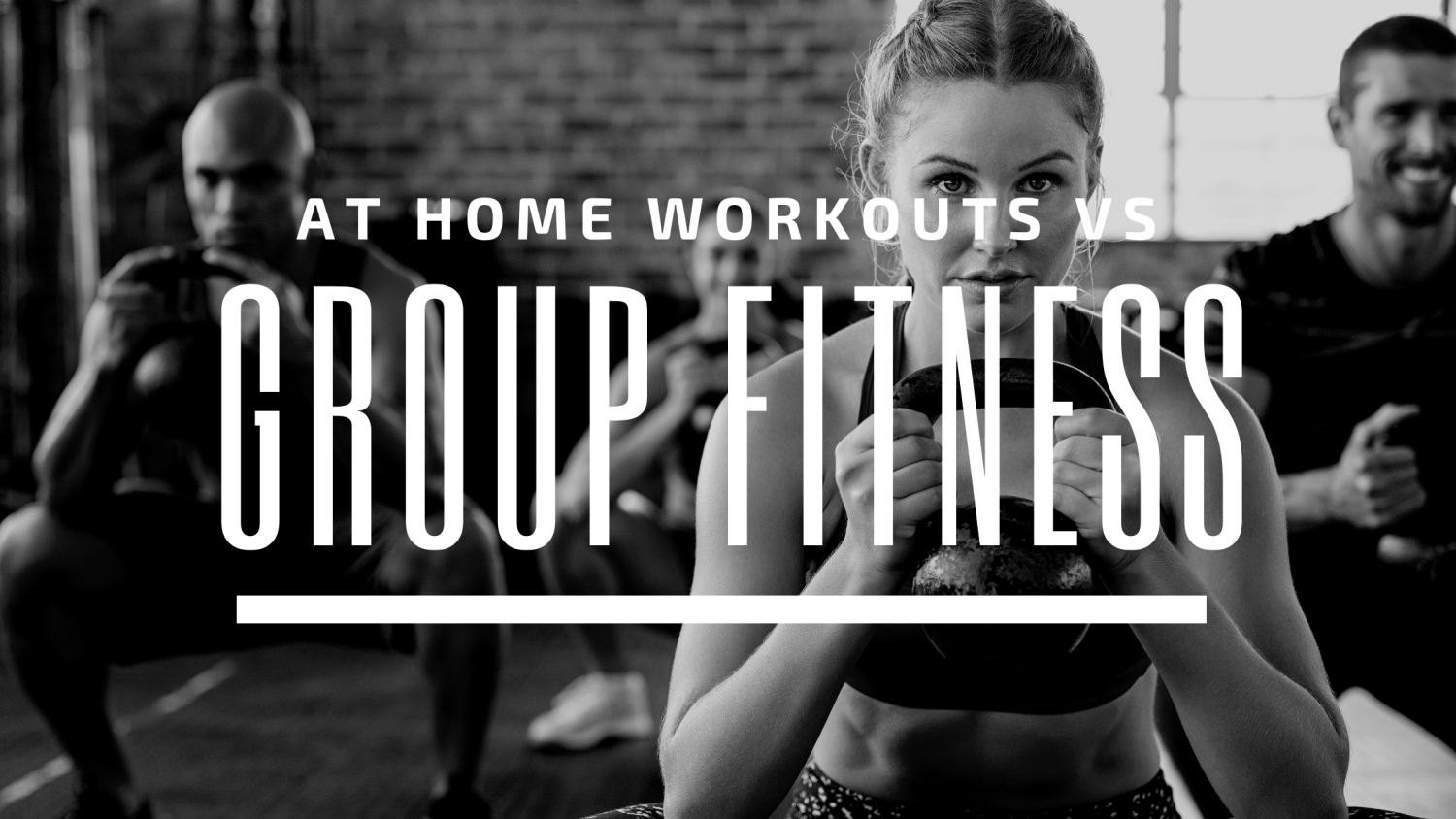
At-Home Workouts vs. Group Fitness: Which One Actually Gets Results?

The Illusion of Convenience at Home

At-home workouts often win people over with one promise: convenience. No commute, no schedule, no pressure. On paper, it sounds like the perfect setup. But in reality, that same flexibility becomes the very thing that weakens consistency. When your workout lives in the same space as your couch, your phone, your responsibilities, and your distractions, it becomes optional. And optional rarely produces transformation.

Without structure, most people default to shorter sessions, less intensity, and more skipped days than they realize. What begins as a well-intentioned routine slowly turns into “I’ll do it later,” and later quietly disappears.

Accountability Changes Everything

Group fitness removes the negotiation. You sign up, you show up, and the decision is already made. That single shift creates momentum.

When you know a class is starting at a specific time, with an instructor expecting you and a room full of people moving alongside you, your standard naturally rises. You’re no longer relying on fluctuating motivation. You’re operating inside a system that holds you steady.

Consistency is where results are built, and group fitness is designed to make consistency non-negotiable.

Coaching You Can’t Replicate Alone

Even the most disciplined person cannot objectively coach themselves in real time. Form breaks down. Compensations creep in. Effort fluctuates.

In a group fitness setting, you’re guided by someone trained to see what you can’t. Small adjustments in alignment, posture, and execution compound over time into better strength, fewer injuries, and more efficient movement.

It’s not just about working hard. It’s about working correctly. That difference is where real progress lives.

Energy You Can Feel the Moment You Walk In

There’s something undeniable about stepping into a room where people are moving with intention. The music, the rhythm, the collective focus… it pulls you in.

Group fitness creates an environment where effort is contagious. You push a little harder, stay a little longer, and access levels of intensity that are difficult to reach on your own.

This isn’t about competition with others. It’s about rising into a higher version of yourself because the environment supports it.

Built-In Progression and Structure

At home, most people repeat the same workouts or jump randomly between programs. There’s often no clear progression, no tracking, and no long-term plan.

Group fitness classes are designed with intention. Whether it’s strength, cardio, flexibility, or recovery, each class fits into a bigger picture. Over time, your body adapts because it’s being challenged in a structured, progressive way.

You don’t have to think about what to do next. You just have to show up and do the work.

Community That Keeps You Coming Back

One of the most overlooked benefits of group fitness is connection. You begin to recognize familiar faces. Conversations happen before and after class. There’s a shared understanding of why everyone is there.

That sense of community creates a deeper layer of accountability. You’re not just showing up for yourself. You’re showing up inside something that feels bigger than you.

And for many people, that’s the difference between stopping and staying.

Healthy Competition With Yourself

Group fitness naturally introduces a form of internal competition. You remember what you lifted last week. You notice when your endurance improves. You feel the difference in your body.

Being surrounded by others doesn’t distract from your progress. It sharpens your awareness of it.

You begin to chase your own growth, not because you have to, but because you can feel it happening.

Results That Extend Beyond the Workout

The structure, discipline, and consistency built in group fitness don’t stay in the studio. They carry into other areas of life. Better energy, improved focus, stronger habits, and a deeper sense of commitment begin to take shape.

What starts as a workout routine becomes a lifestyle shift.

Why Group Fitness Wins

At-home workouts can work for a small percentage of highly self-motivated individuals. But for most people, they lack the structure, accountability, and energy needed to create lasting results.

Group fitness provides all of that in one place. Guidance, consistency, progression, and community.

It’s not just about getting a workout in. It’s about creating an environment where results are inevitable.
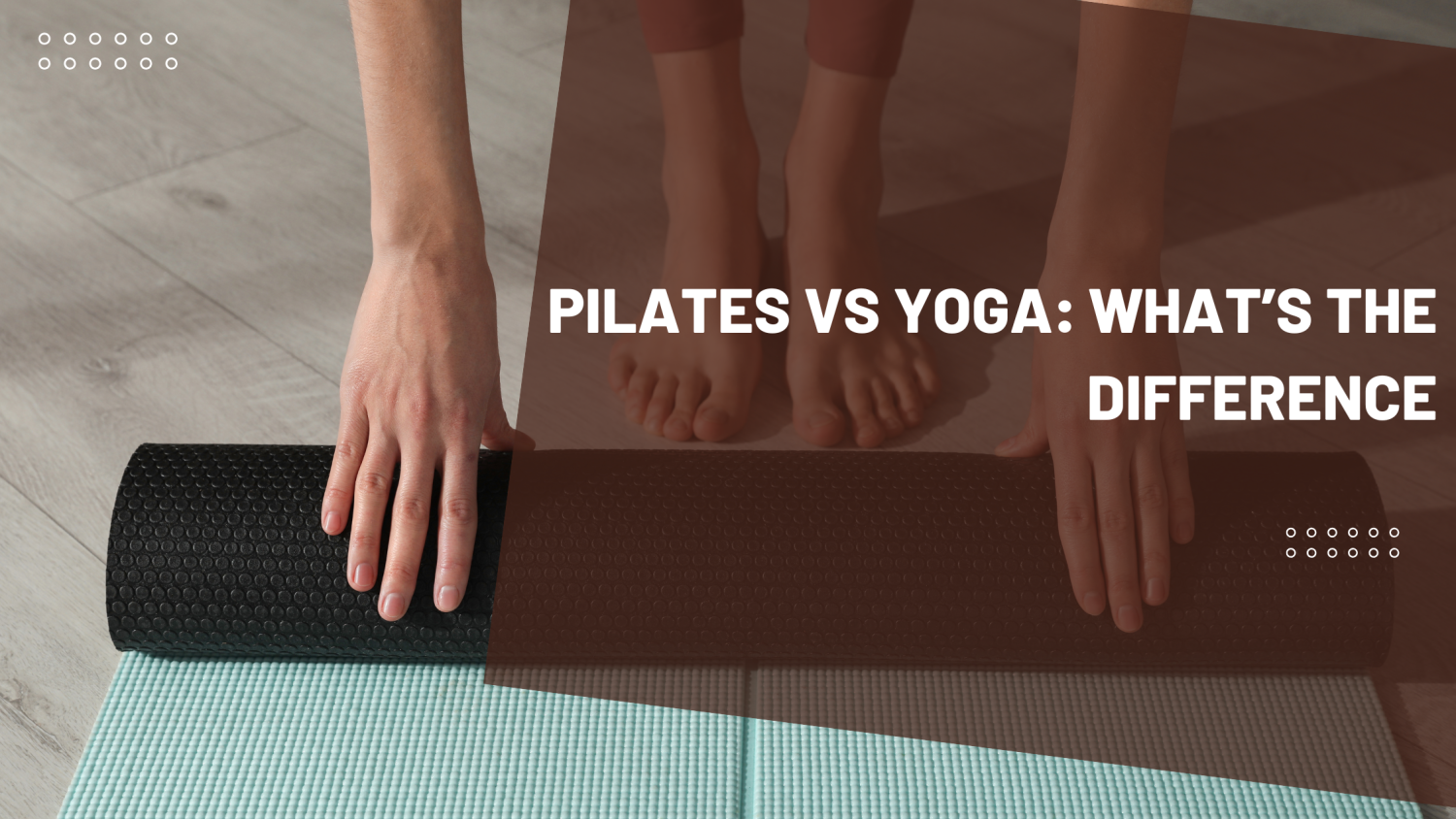
Pilates vs Yoga: What’s the Difference

Pilates vs Yoga: What’s the Difference (and Which One Is Right for You?)

Two Practices, Often Confused

Pilates and yoga are often grouped together, but they come from completely different systems of thought and were designed with different intentions.

Yoga is an ancient practice rooted in philosophy, breath, and awareness. It’s not just movement. It’s a system for understanding the mind, the body, and your relationship to both.

Pilates, on the other hand, is a modern method developed by Joseph Pilates. It’s rooted in physical conditioning, with a strong emphasis on control, alignment, and strengthening the body from the inside out.

They may look similar on the surface, but what they are doing beneath that surface is very different.

The Origin: Ancient Practice vs Modern Method

Yoga has been around for thousands of years. Yoga is rooted in spiritual philosophy, with movement being just one piece of a much larger system that includes meditation, breathwork, and self-inquiry.

Pilates was developed in the early 20th century as a rehabilitation and strengthening system. It was designed to restore function, build core stability, and create a balanced, resilient body.

Yoga asks: How do I experience myself more fully?

Pilates asks: How do I move my body more efficiently and effectively?

The Goal: Awareness vs Control

Yoga prioritizes awareness. The shapes are important, but the internal experience matters more. You are paying attention to breath, sensation, and presence.

Pilates prioritizes control. Every movement has a specific intention. Precision matters. Alignment matters. The goal is to execute movements with stability and strength.

In yoga, you may explore the pose.

In Pilates, you refine the movement.

The Pace: Flow vs Precision

Yoga often includes flow-based movement, especially in vinyasa classes where poses are linked together with breath. There’s rhythm, continuity, and a sense of moving meditation.

Pilates is typically slower and more deliberate. Movements are broken down and repeated with control. There’s less momentum and more muscular demand in smaller ranges.

Yoga builds rhythm and flow.

Pilates builds control and endurance.

The Physical Focus: Flexibility vs Strength (with Overlap)

Yoga tends to emphasize flexibility, mobility, and lengthening through the body, while still building strength depending on the style.

Pilates is more targeted toward strength, especially deep core strength, posture, and muscular balance.

That said, both practices build both. The difference is in emphasis.

Yoga opens the body.

Pilates builds strength and organizes the body.

The Experience: Internal vs Technical

Yoga invites a more internal experience. You’re often guided to notice how you feel, observe your breath, and stay present in the moment.

Pilates feels more technical. You’re thinking about where your ribs are, how your pelvis is positioned, how your core is engaging.

Yoga is experiential.

Pilates is instructional.

The Role of Breath

Breath is central to both, but it’s used differently.

In yoga, breath is often used to guide movement and deepen awareness. It can be calming, energizing, or meditative.

In Pilates, breath is used to support the movement. It helps stabilize the core and create efficiency in how the body works.

Same tool, different purpose.

Which One Should You Choose?

It depends on what you’re looking for.

If you want to:

•   slow down

•   connect inward

•   improve flexibility and mobility

•   build a deeper awareness of your body and mind

Yoga may be the better fit.

If you want to:

•   build core strength

•   improve posture

•   move with more control and stability

•   feel physically stronger in a structured way

Pilates may be the better fit.

Do You Have to Choose Mat Pilates or Yoga?

Not at all.

These two practices complement each other exceptionally well. One builds awareness and openness. The other builds strength and structure.

Together, they create a more complete approach to movement.

Our Take: Why Both Matter

At the end of the day, it’s not about choosing one over the other. It’s about understanding what each offers and using them intentionally.

Yoga helps you understand your body.

Pilates helps you strengthen it.

When you combine both, you’re not just working out. You’re building something that lasts.


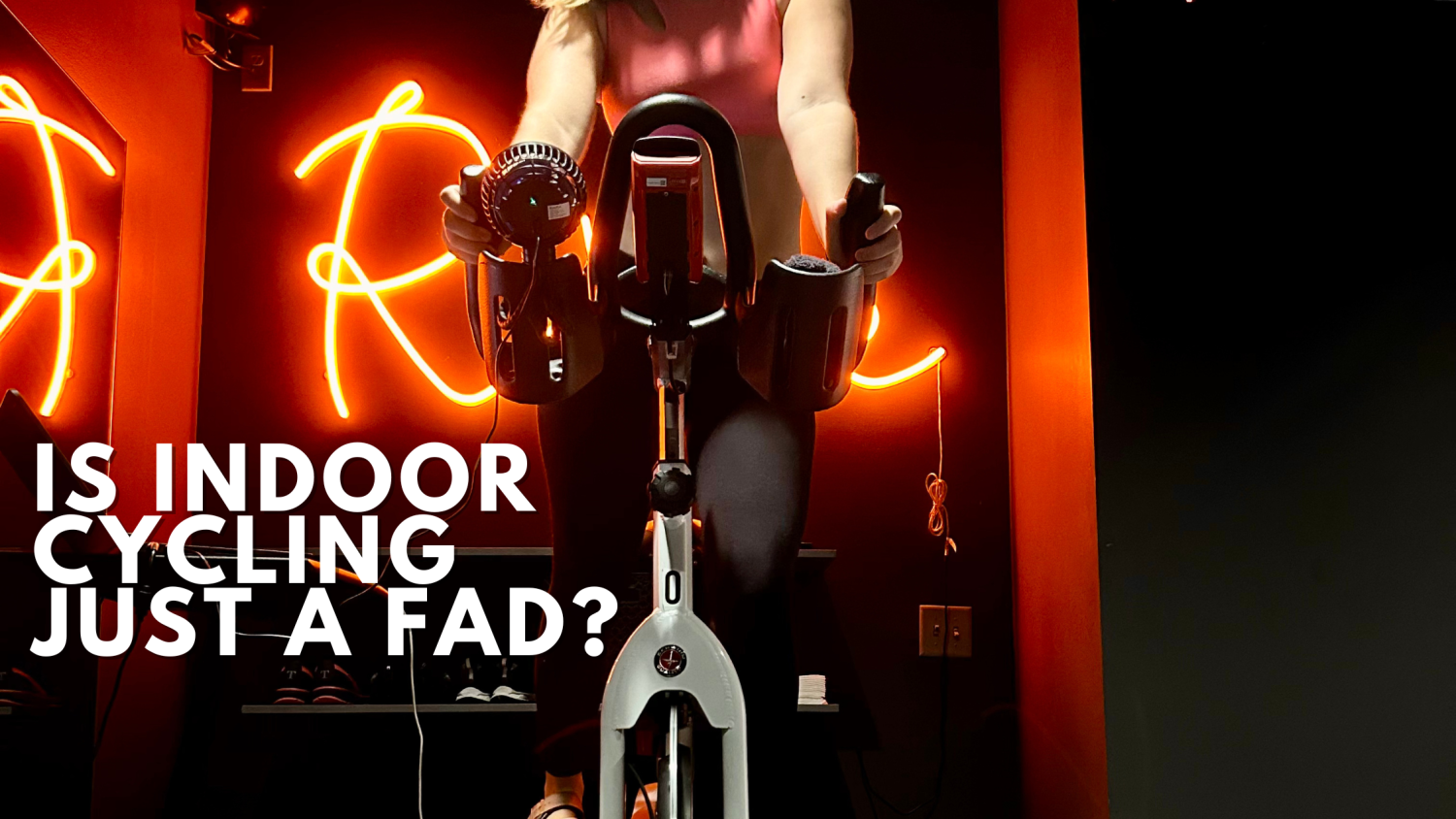
Is indoor cycling just a fad?

Is Indoor Cycling Just Another Fad Workout?

Every few years, the fitness world crowns a new “it” workout.

Right now, Pilates is having a powerful cultural moment. Reformers are filling up. New studios are opening. Social media is full of slow, controlled movements and sculpted cores.

Meanwhile, some people are asking a familiar question about indoor cycling:

Was spin just a fitness fad?

It’s a fair question. But the reality is far more interesting.

Indoor cycling was never meant to be the entire story of fitness. It was always one chapter in a much bigger picture. And when you zoom out, cycling isn’t fading. It’s simply returning to its proper place in a balanced wellness routine.

Indoor Cycling Solves a Problem Most Workouts Don’t

Cycling offers something incredibly unique in fitness: high-intensity cardiovascular training without high impact.

For many people, that combination is priceless.

Running can stress the joints. Plyometrics can be demanding on knees and hips. But cycling allows people to push their cardiovascular system hard while keeping the body supported.

That means stronger heart and lungs, improved endurance, better metabolic health, and increased stamina for daily life.

And because resistance is adjustable, the workout can scale from beginner to elite athlete. Few modalities offer that kind of range.

Fitness Trends Move in Waves

If you look at the history of group fitness, a pattern appears.

Yoga surges.  

HIIT explodes.  

Barre arrives.  

Pilates rises again.  

Strength training grows.

Each modality cycles through waves of popularity.

But the ones that survive for decades share one trait: they deliver real physiological results.

Indoor cycling (spinning) has been around since the 1990s and continues to appear in training programs for athletes, physical therapy patients, and everyday exercisers alike.

That’s not what a fad looks like.

That’s what a proven training tool looks like.

The Role of Cycling in a Balanced Fitness Plan

At Fever YCS, we talk about fitness through the lens of the Four Pillars of Wellness Success:

Cardio  

Strength  

Flexibility  

Recovery

Indoor cycling (spinning) sits firmly in the cardio pillar.

It trains the heart, improves circulation, builds endurance, and increases oxygen efficiency.

But cardio is only one piece of the puzzle.

A balanced routine also includes strength training to build muscle and bone density, flexibility work like yoga to support mobility and longevity, and recovery practices that allow the body to adapt and rebuild.

When cycling is paired with these other pillars, it becomes part of a powerful system for long-term health.

Why People Still Love to Spin

Even beyond the science, cycling has something harder to quantify: energy.

Music.  

Momentum.  

Shared effort in a room full of people riding toward the same finish line.

It’s rhythmic. It’s motivating. And for many people, it’s the only cardio workout they genuinely enjoy.

And when people enjoy a workout, they keep showing up.

Consistency, more than any single workout trend, is what actually creates lasting results.

The Bottom Line

Indoor cycling isn’t a fading trend.

It’s a foundational training method that has proven its value for decades.

While the spotlight in fitness will always move from one modality to another, the fundamentals remain the same:

Move the body.  

Train the heart.  

Build strength.  

Recover well.

Cycling will continue to be a powerful part of that equation for years to come.

Because great workouts don’t disappear. They simply become timeless tools in the wellness toolkit.

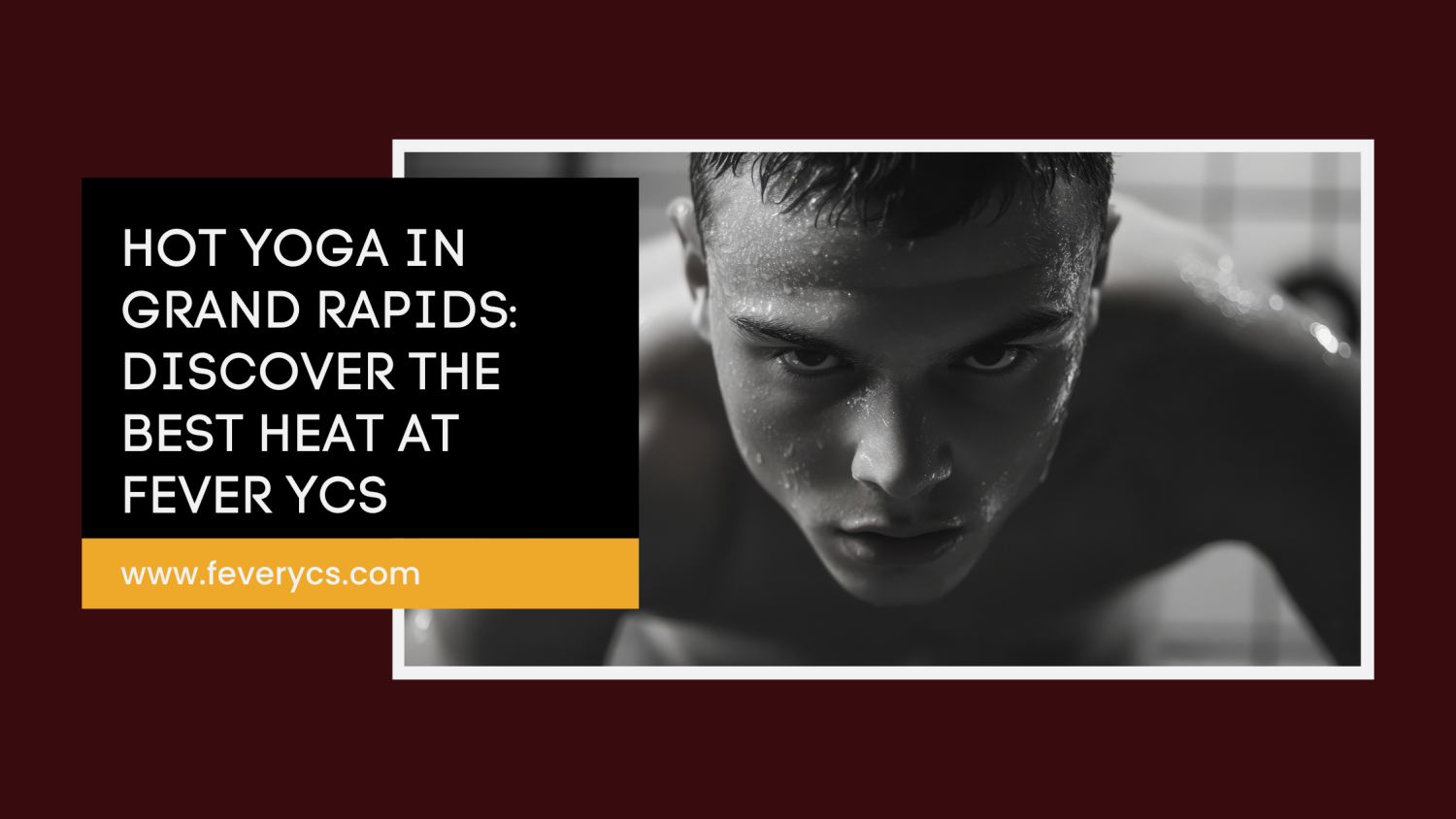
Hot yoga in Grand Rapids at Fever Yoga Cycle Strength

Hot Yoga in Grand Rapids: Discover the Best Heat at Fever

Hot yoga hits different at Fever — and it’s not just the temperature.

Our hot room is built for 99° heat, 45% humidity, clean fresh air, and the kind of vinyasa flow that leaves you feeling clear, strong, and alive. This is where breath, movement, heat, and energy work together to elevate your entire yoga practice.

If you’re searching for hot yoga in Grand Rapids or wondering if hot yoga is right for you,  here are benefits that set Fever YCS apart — and why our students say it’s the best heat in town.

1. The Perfect Balance: 99° Heat + 45% Humidity

Hot enough to warm your body quickly.

Balanced enough to breathe, move, and stay energized.

The 99° / 45% combo supports:

•   safer, faster warm-up

•   deeper muscle engagement

•   increased circulation

•   enhanced flexibility

•   smoother transitions

•   a stronger vinyasa practice overall

This isn’t “sweltering” heat. It’s training heat — crafted to support performance, longevity, and results.

2. Clean, Fresh Air — Powered by ERV Technology

Often times hot yoga rooms recycle air.

Ours doesn’t.

Our hot room uses a full ERV (energy recovery ventilation) system that constantly measures oxygen and CO₂ levels and pumps fresh air into the space as soon as it hits a threshold.

This means:

•   cleaner air

•   safer training

•   less fatigue

•   better focus

•   no “airless” hot yoga feeling

It’s hot yoga with fresh air — not stagnant heat.

3. A Practice for Every Body: Ages 17 to 70+

If you think you’re “too old,” “too tight,” or “not flexible enough”…

come take class and look around.

Our hot yoga community includes:

•   teens

•   young professionals

•   parents

•   people in their 40s, 50s, 60s, and 70s

•   all genders

•   all backgrounds

•   all body types

If you can breathe, you can practice here.

Hot yoga is safe for beginners. It wraps strength, mobility, breath, and meditation into movement — you don’t need to fit a mold to belong and it’s okay to be brand new to the practice.

4. Stress Reduction + Mental Reset

Heat + breath +  hot flow creates a neurological recalibration:

•   your breathing deepens

•   your nervous system softens

•   your focus sharpens

•   your thoughts settle

This is where the movement becomes meditation — the medicine most people don’t realize they’ve been missing.

5. Detoxification + Circulation Boost

Our hot room supports:

•   increased sweating

•   improved lymphatic flow

•   faster recovery

•   reduced inflammation

•   clearer skin

•   better mobility

You’ll feel lighter, cleaner, and more open long after class ends. It’s important to stay hydrated to avoid dehydration during hot yoga so be sure to drink extra water on days you’ll practice.

6. Strength + Cardio in Every Hot Flow

Vinyasa yoga creates flexibility — and it builds functional strength.

Every class trains:

•   core

•   shoulders

•   hips

•   legs

•   stability

•   balance

•   endurance

Heat amplifies muscle activation, helping you build lean, powerful strength without impact.

7. A Community That Moves Together

People come to Fever for the heat —

but they return for the energy in the room.

It’s uplifting, inclusive, and unapologetically real.

No cliques.

No comparison.

Just movement, breath, sweat, and support.

Experience Hot Yoga in Grand Rapids the Fever Way

If you’re looking for real hot yoga — clean air, strong heat, true vinyasa, and a community that feels like a pulse — this is it.

Book a hot yoga class in Grand Rapids → www.feverycs.com/

hot pilates in Grand Rapids michigan

Hot Pilates in Grand Rapids: Discover Infrared Pilates at Fever

Looking for Hot Pilates in Grand Rapids? At Fever YCS, we’re proud to offer the area’s only Infrared Hot Pilates experience. This class combines the precision of mat Pilates with the performance-enhancing benefits of infrared heat, helping you strengthen, tone, and stretch in ways that go beyond a traditional workout.

Whether you’re searching for “Hot Pilates near me,” “Infrared Pilates Grand Rapids,” or want to know what makes this practice so unique, here’s everything you need to know.

What to Expect in a Hot Pilates Class

When you step into our infrared-heated pilates studio, you’ll feel the difference right away. Infrared heat warms your body from the inside out, creating an environment that’s ideal for Pilates movements.

During class, you can expect:

•   Core-focused mat Pilates sequences with breath-driven flow

•   Movements that target abs, glutes, legs, back, and arms

•   A natural cardio boost from the heat and sweat factor

•   A welcoming space with options for beginners and advanced students alike

Clients often describe the experience as “Pilates turned up a notch” — more sweat, more burn, and more results.


Why Infrared Makes Hot Pilates Special

Infrared heating offers benefits that traditional hot rooms can’t match:

•   Better flexibility: Your muscles become more pliable, allowing deeper stretches with less risk.

•   Detoxification and circulation: Sweating helps flush toxins while increasing blood flow.

•   Higher calorie burn: The body works harder to regulate temperature, boosting cardiovascular output.

•   Stress relief and mental clarity: The warmth relaxes tension, leaving you calmer and more focused.

•   Enhanced recovery: Circulation aids muscle repair and reduces soreness.

This combination makes Infrared Pilates in Grand Rapids one of the most effective and unique workouts available. To learn more about infrared heating, check out our blog on the Top 5 Reasons to Use Infrared Heat in Your Workouts.


Muscle Groups You’ll Work

Hot Pilates is especially powerful for:

•   Core muscles (deep abdominals, obliques, and transverse abdominis)

•   Glutes and legs (hamstrings, quadriceps, hips, glute max & medius)

•   Back (spinal stabilizers and postural support muscles)

•   Shoulders and arms (from planks, pushups, and stabilizing work)

It’s a total-body workout with an emphasis on building long, lean strength and stability.


Safety and First-Timer Tips

If it’s your first time trying Hot Pilates in Grand Rapids, keep these in mind:

•   Stay well-hydrated before, during, and after class to avoid dehydration during heated class.

•   Dress in breathable, moisture-wicking clothes.

•   Listen to your body and rest when needed.

•   Avoid heavy meals right before class.

•   Check with your physician if you’re pregnant or have health conditions.


Why Choose Fever for Hot Pilates in Grand Rapids?

We’re proud to be the only studio in Grand Rapids offering Infrared Hot Pilates, Hot Barre,  and Hot Vinyasa Yoga. Here’s why clients choose Fever:

1.State-of-the-art infrared heating panels that heat your body, not just the air.

2.Expert Pilates instruction with safe modifications for all levels.

3.Comprehensive offerings: yoga, barre, cycling, strength training, meditation, and Pilates.

4.Community and culture: supportive, welcoming, and results-driven.

5.Unique advantage: No other local studio offers this exact class format.

If you’ve been searching for “Infrared Pilates near me” or “best Hot Pilates Grand Rapids,” you’ve found it.


What You’ll Walk Away With

After class, you’ll feel:

•   Energized, strong, and centered

•   Less stiff, with improved flexibility

•   Mentally clear and stress-free

•   Stronger in your core, glutes, and posture

Many clients notice visible results in muscle tone and confidence after just a few consistent weeks.


Beyond Hot Pilates: Other Pilates & Fusion Options

At Fever Yoga Cycle Strength, we also offer additional classes to support every stage of your fitness journey:

Traditional Mat Pilates

A classic Pilates approach focused on alignment, breath, and mindful core strength. Perfect for anyone who wants a non-heated option that still builds incredible tone and stability.

Barre Burn (Infrared)

Our fusion class combining Barre and the infrared heat.  Dynamic movement meets controlled strength work, leaving you both energized and sculpted.


💡 Ready to try? Check out our class descriptions and schedule to book your spot in Hot Pilates, Mat Pilates, or Hot Barre Burn in Grand Rapids. www.feverycs.com/schedule/

barre versus pilates

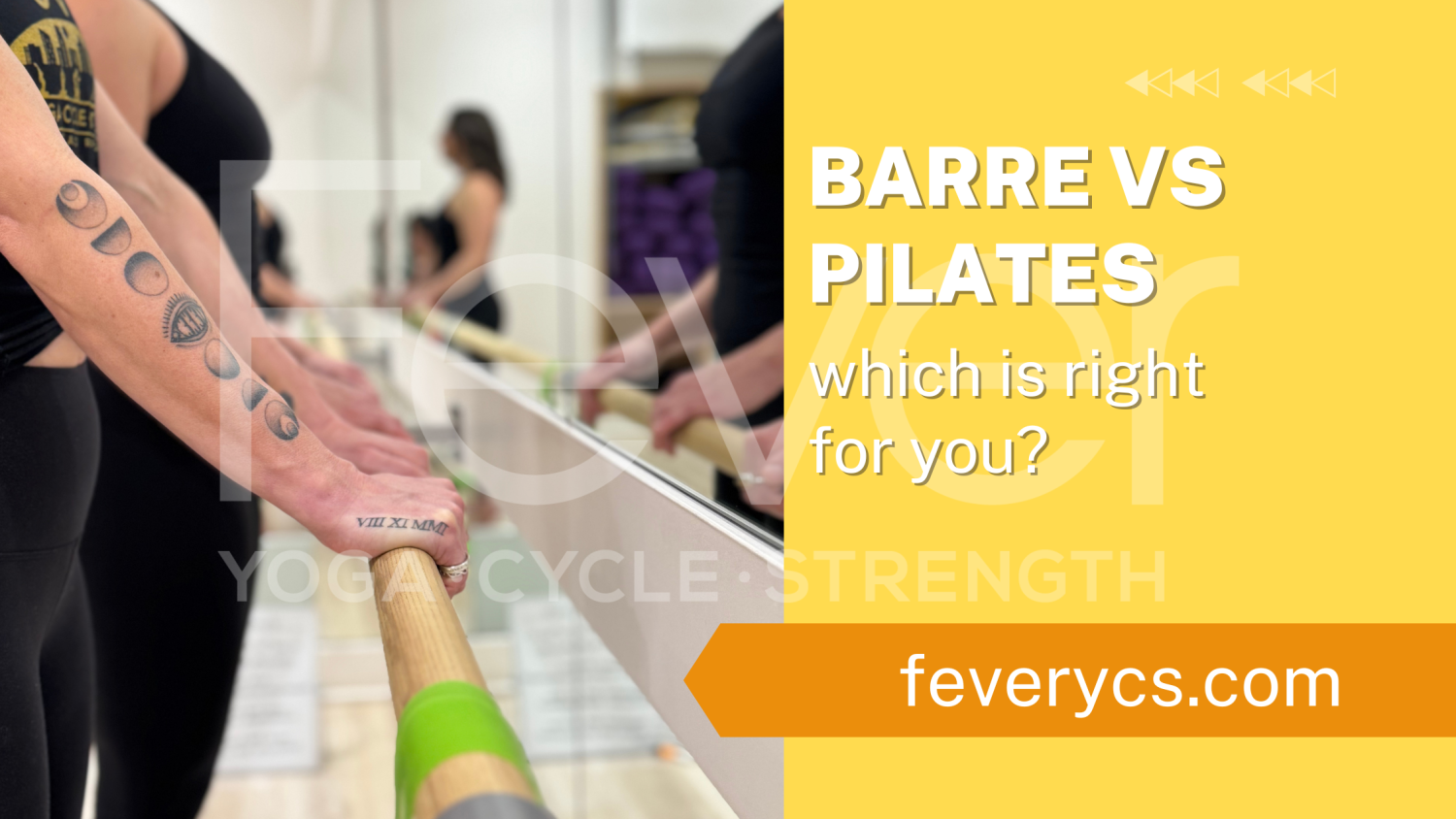
Barre vs. Pilates: Which Is Right for You?

At first glance, barre and Pilates might look similar—both use small, controlled movements, focus on core strength, and are often practiced in studios with mats, light props, and playlists that cue mindful movement. But while they share some DNA, they offer very different experiences. If you’re wondering which one is right for you, the answer depends on your goals, your body, and the kind of experience you want from your workout.

Barre is rooted in ballet, blending strength, balance, and flexibility with an athletic flow. Barre classes typically involve isometric holds, pulses, and compound movements that fatigue the muscles quickly—especially in the legs, glutes, and arms. It’s known for its high-rep, low-impact format that leaves your muscles shaking in the best way. Barre often incorporates light weights, balls, bands, and bodyweight resistance to tone and sculpt, making it ideal for people looking to build strength and stability without heavy lifting or high-impact cardio. If you’re new to barre visit our beginners guide to your first barre class.

Pilates, on the other hand, focuses deeply on core strength, spinal alignment, and breath control. Mat Pilates uses precise, controlled movements to strengthen the deep core muscles and support postural awareness. Reformer Pilates introduces spring resistance and guided tracks to amplify that work. Pilates tends to have a more clinical feel—it’s often used in rehab and physical therapy settings—whereas barre classes tend to lean more rhythmic and performance-based, with a stronger influence from dance and music.

So, which one should you choose? If your goals are sculpting, endurance, posture improvement, and a sweat that feels fun and musical, barre might be your perfect match. If you’re seeking core rehabilitation, back pain relief, or low-impact strength training with a methodical, breath-led pace, Pilates might be the better fit. Of course, many people love doing both—there’s no need to choose one forever.

One of the biggest differences between the two is the energy in the room. Barre classes tend to have more of a group fitness vibe—think energy, music, community—while Pilates often has a quieter, more focused energy. Neither is better than the other—it just depends on what lights you up.

If you’re curious about barre, you can check out our barre class breakdown and join a session that meets you where you’re at. And if you’re curious about mat Pilates, it’s worth trying a few styles (mat, hot, classical) to find the right fit for your body.