Posts

private yoga Grand Rapids

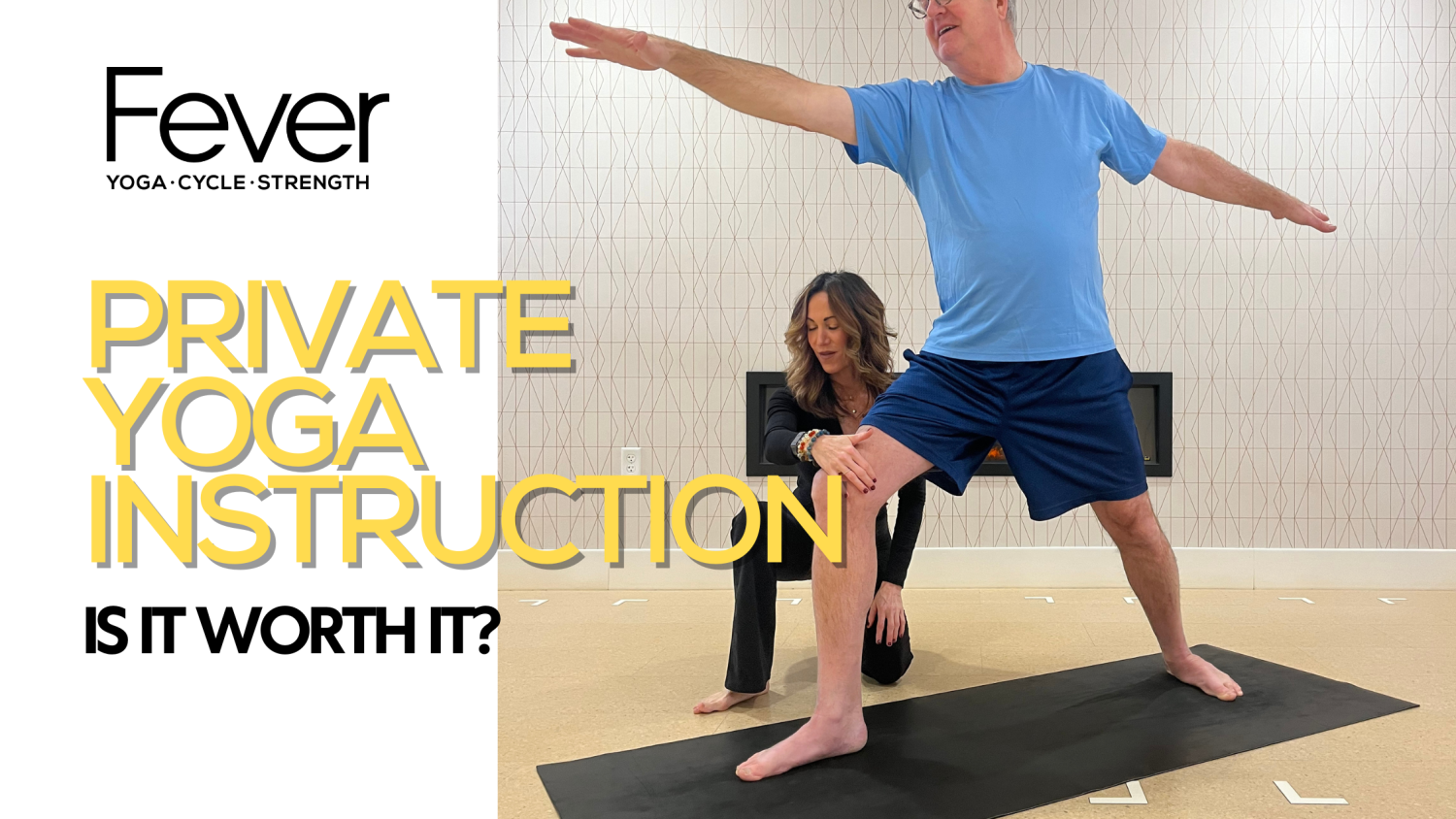
Private Yoga Instruction in Grand Rapids: Is It Worth It?

If you’ve been thinking about taking your yoga practice deeper, private yoga instruction in Grand Rapids is one of the fastest, most personalized ways to grow. Whether you’re brand-new to yoga, recovering from injury, or simply craving focused one-on-one attention, private sessions offer something you can’t always get in a group class: practice that is entirely designed around you.

Why People Choose Private Yoga


Private yoga is tailored to your goals, your body, and your experience level. Here’s what clients in Grand Rapids often seek out:

– Beginner confidence

For those starting out, private sessions build the foundations—breath, alignment, simple sequences—so stepping into a studio class feels natural, not intimidating.

– Personalized alignment + modifications by a Master Teacher

Your yoga instructor has time to watch every pose and support your structure, mobility, and breath in a way group settings can’t.

– Injury-informed support

Private yoga is an excellent fit if you’re rehabbing an injury or need careful, intelligent progression at your own pace.

– Accountability + consistency

Weekly sessions create structure and help you stay committed, even with a busy schedule.

– Deepening your practice in more ways than one

Some clients seek refinement: learning vinyasa transitions or exploring breathwork and spiritual presence with meditation where there may be no physical posture at all. 

What You Can Expect in a 1:1 Session


Most private yoga sessions in Grand Rapids include:

– A short consultation over the phone to discuss goals

– A custom-built sequence or plan designed to meet your goals. 1:1 sessions look nothing like a traditional vinyasa or group class. 

– Hands-on is part of the practice. Prepare to be assisted through 85% of the postures to encourage depth and proper alignment.

– Breathwork and nervous-system downshifting

– A plan for progressive growth over time

Every session feels supportive, quiet, and intentionally paced—very different from a fast-moving group flow.

Who Benefits Most From Private Yoga?


– Beginners wanting a strong start

– Students returning after time away

– Individuals working through stiffness, pain, or injury

– Athletes cross-training for mobility

– Anyone wanting privacy as they learn the breadth and depth of yoga

– Anyone looking to find more inner peace and relieve anxiety through the practice of presence and meditation

How to Choose a Private Yoga Teacher


When searching for private yoga in Grand Rapids, look for teachers who:

– Understand anatomy and intelligent sequencing

– Are skilled at modifying for common yoga injuries

– Communicate clearly and create a safe, supportive environment

– Have many years of experience working 1:1 and in the industry in general

A great private instructor will be a Senior Teacher with over 10 years of experience who adapts the practice to you – not the other way around. They will embody a strong knowledge base within the 8 limbs of yoga, anatomy, and posture.

Private Yoga vs. Group Yoga


Group yoga is energizing, social, and community-driven. Private yoga is precision-based and deeply personalized. Many students use both: private sessions to tune form and group classes to practice flow.

Ready to Explore Private Yoga in Grand Rapids?


If you’re curious about personalized instruction—whether for flexibility, strength, breathwork, or rebuilding confidence—a 1:1 session is one of the best investments you can make in your practice.

Schedule a private yoga session with Shan Austin ERYT YACEP (LMT) – Owner of Fever here. www.feverycs.com/

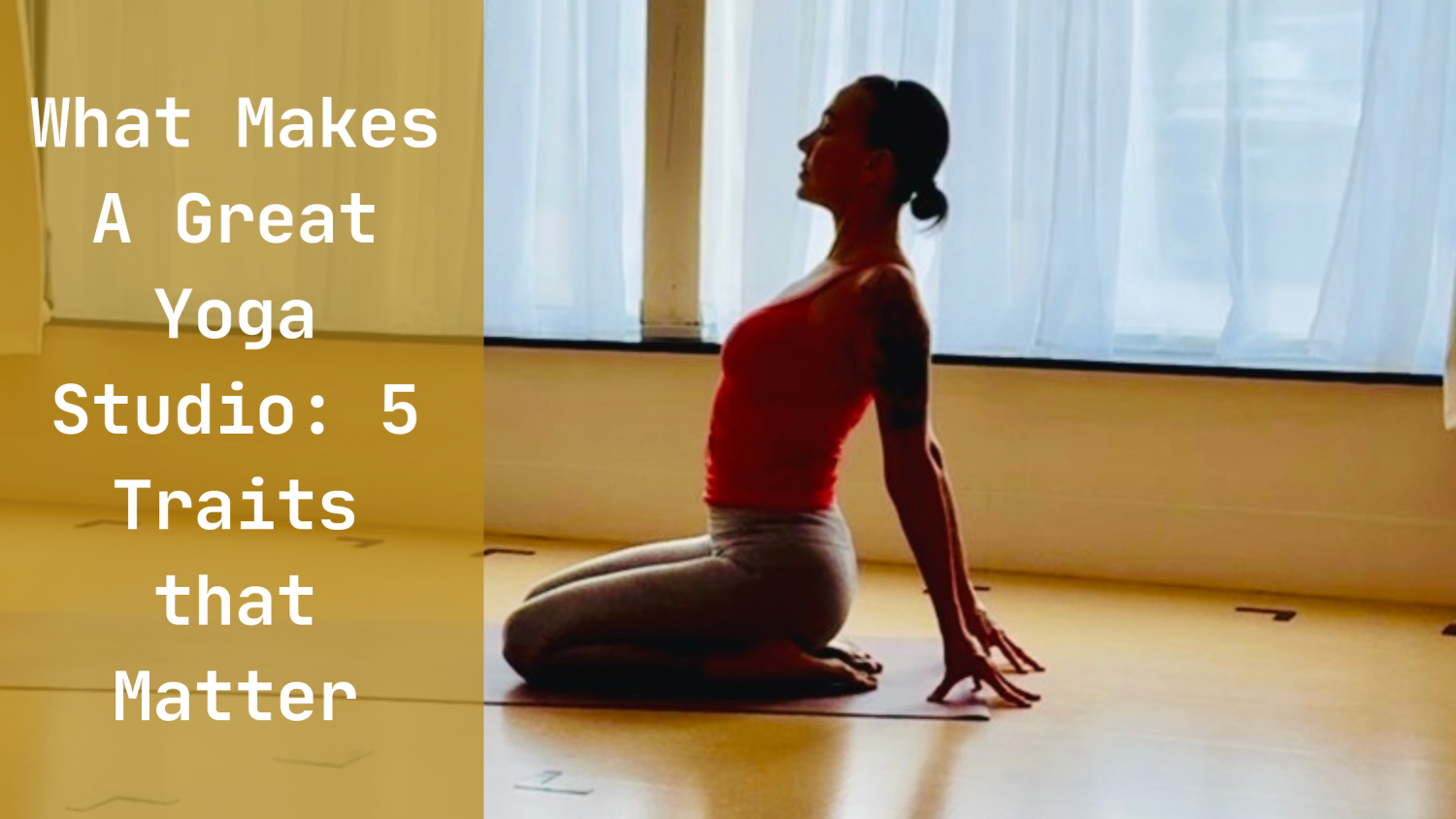
What makes a great yoga studio? 5 traits that matter

What Makes a Great Yoga Studio? Five Traits That Matter

Choosing a yoga studio isn’t just about location — it’s about energy, teaching quality, and whether the environment actually supports your growth. A great yoga studio feels intentional. You walk in and immediately sense that the space, the staff, and the structure are aligned around helping people practice well.

Here are the five traits that separate an okay yoga studio from a truly exceptional one.

1. Skilled, Present Teachers

You can feel it right away. Great teachers don’t just recite a script or feel robotic — they teach. They cue with clarity, adjust the room’s energy, read the students in front of them, and guide with both knowledge and intuition. Consistency in training also matters: alignment expertise, safety understanding, and the ability to teach both beginners and seasoned practitioners in the same room.

2. A Clean, Well-Maintained Studio Space

The atmosphere shapes the practice. Clean floors, well-kept props, intentional lighting, uncluttered rooms — these elements show respect for the students. A studio that invests in the environment is investing in the student’s experience.

For hot yoga studios specifically, proper airflow, controlled humidity, and reliable heat delivery make a massive difference in safety and comfort.

3. Thoughtful Class Structure

Classes shouldn’t feel random. Strong studios offer a clear system: beginner-friendly options, versatile Vinyasa formats, strength-building flows, and mobility-focused classes that complement the practice. A balanced schedule matters, but so does consistency — students should know what kind of experience they’re stepping into.

4. A Supportive Community (Without the Clique Culture)

A great yoga studio welcomes everyone — period. You should feel safe to show up as you are, without comparison, judgment, or pressure. That feeling of being genuinely seen is what keeps people coming back.

5. Education Beyond the Yoga Mat

The best yoga studios don’t stop at just teaching classes. They offer useful content like beginner guides, hot yoga tips, yoga-mat recommendations, and information that helps students deepen their practice. When a yoga studio becomes an educational resource, it becomes a trusted voice in the community.

Final Thought

The right yoga studio feels like a place where you can grow — physically, mentally, and energetically. Look for skill, intention, cleanliness, structure, and community. When all five traits line up, you’ll know you’ve found your spot and you won’t mind driving a few extra miles to get there.

Yogalates the best of yoga and pilates in one powerful class

YogaLates: The Best of Yoga and Pilates in One Powerful Class

Looking for a class that delivers the mindful stretch of yoga and the targeted core strengthening of Pilates? That’s exactly where Yoga + Pilates shines.

At Fever | Yoga Cycle Strength, our Yogalates classes merge the best of both worlds: the breath-centered, grounding elements of yoga and the precision-focused, stabilizing techniques of Pilates. Together, they create a dynamic, well-rounded practice that helps you move better, feel stronger, and stand taller.

What is Yogalates?

Yogalates  is a fusion practice designed to enhance core strength, improve flexibility, and build overall body awareness.

In our classes, you’ll move through yoga-inspired flows that emphasize mobility and breath connection, seamlessly transitioning into Pilates-based movements to target the deep core and stabilizing muscles. Expect planks, bridges, and subtle micro-movements alongside familiar yoga poses like downward dog, warrior variations, and spinal twists.

Benefits of Yogalates

  • Stronger Core & Improved Stability

The Pilates component focuses on deep core activation, helping to support your lower back, improve posture, and enhance balance both on and off the mat.

  • Increased Flexibility & Range of Motion

The yoga element encourages openness in the hips, shoulders, and spine, supporting a more mobile and resilient body.

  • Better Mind-Body Connection

By weaving together breath and movement, you’ll build awareness that carries into daily life—helping you move with intention and presence.

  • Low-Impact but Effective

Yogalates is gentle on the joints yet highly effective in sculpting and strengthening, making it an excellent option for nearly all fitness levels.

Who is Yogalates for?

This class is perfect if you want to strengthen your core, improve your flexibility, and enjoy a mindful workout without high-impact strain. Whether you’re a seasoned yogi looking to level up your core strength or a Pilates lover seeking more mobility and stretch, Yogalates meets you where you are.

What to Expect at Fever

At Fever | Yoga Cycle Strength, our Yogalates classes are thoughtfully designed and guided by experienced instructors who emphasize safe alignment, intentional breath, and individualized support. We offer a welcoming, encouraging environment where you can explore your edges and celebrate your progress.

Ready to try Yogalates?

Join us and discover why so many in Grand Rapids are falling in love with this balanced, feel-good fusion.

👉 Sign up for Yoga-lates here: www.feverycs.com/schedule/

How to choose the right mat for hot yoga

How to Choose the Right Mat for Hot Yoga 

Yoga mats are a game changer when it comes to a sticky, sweaty hot yoga practice. Recently, I was far from my yoga home and decided to test out another hot studio. However, I did not have my favorite mat with me as I was out of town. I figured no big deal, I’ll just rent one. The studio in and of itself was fabulous. It hit most of the checks on my “list” as to what makes a great hot space.

  1. Beautiful and clean studio and lounge
  2. Adequate space to flow and breathe
  3. A yoga teacher who was clear, creative, and enthusiastic
  4. Knowledge of alignment and body mechanics
  5. The heat was seriously on point

But one major thing missed the mark: their rental yoga mats did NOT provide appropriate grip and safety. This completely changed my hot yoga practice from stellar to super disappointing.

I suppose I’ve been blessed to practice on great mats in my hot yoga practice, which has led me to take for granted the superior traction that’s necessary to have an out of body hot yoga experience. So when I tried practicing on a lesser quality mat, I was unbelievably distracted by the possibility of my downward dog being split in two from my slippery hands and feet! Let’s just say: that hot yoga experience was not my usual “you’re Wonder Woman” experience.

If you’re going to practice hot yoga, and feel like a superhero the entire time, invest in a yoga mat and/or towel that is intentionally designed to manage intense heat and sweat. Otherwise, you’re only cheating yourself because your practice will be so distracted from holding on for dear life, that you won’t be enjoying the practice (which is clearly the point).

A couple tips: Just because it has a famous brand name, doesn’t mean it’s the best for hot yoga. And resist the urge to buy a yoga mat from your local pharmacy, home goods store, or supermarket.

So, what should you look for in a hot yoga mat? 

Consider the Thickness– The weight of your yoga mat has a lot to do with how comfortable it will be. Too thin and your knee may experience pain during low lunge; too thick, you may feel a weakened connection to the floor – making you more wobbly in balancing poses.

Standard yoga mats are about ⅛ inch thick, which is a great option for hot yoga. If you know you have sensitive knees, go thicker so your yoga experience isn’t uncomfortable. If you’re always on the go, try a wafer-thin mat that you can fold up and fit in a suitcase.

Go for the Grip– There’s nothing worse than slipping and sliding around on your yoga mat during an intense, hot class. This is the exact opposite of what the practice is supposed to be doing for you. We want to take ourselves out of the world of frustration and become one with the experience at hand, not over effort to stay in place. When you shop for your perfect mat, be sure to check the material. You’re looking for a closed cell mat or one that wick away the sweat versus absorb it like a sponge.  Make sure the mat description says it is used for ‘hot yoga’ and if it doesn’t do the trick (after the break in period), return it or send it back.

Don’t Skimp on the Cost– Though I’m all about saving money when possible, a high quality yoga mat is worth the splurge – especially when you’re committing to a consistent hot yoga practice. If you choose the cheapest option, it will not hold your dog and will quickly become a slip and slide. Keep the inexpensive mats for the traditional yoga room or your at home practice, not the hot space. In the hot space, it will absolutely deem useless as the minute you sweat, all grip is lost.

Choose Support- At the end of the day, your yoga mat is your safety net and your right hand man. You carry it everywhere, it rides shotgun in your car, and you shed a lot of negative energy on it. It will always catch you when you fall (unless you bought it at Target). Choose one wisely, one that supports you 100% through every down dog and every life changing experience. We highly recommend shopping local within your community, like your local Fitness Shala, Fever Yoga Cycle Strength in Grand Rapids, Michigan.

See you on the mat!

5 reasons your body and mind want you to practice yoga

5 Signs Your Body and Mind Want You to Practice Yoga

Do you suffer from a tight, rigid body? Do you ever feel like you’ve been breathing shallowly all day? Can you not recall the last time you truly relaxed on a regular, routine day?

If any of these sound familiar, your body and mind are trying to tell you to step onto your yoga mat.

And if the excuse at the tip of your tongue is that you’re too busy, that’s exactly why you should make time for yoga. The practice of yoga connects you to your innermost self – a sacred space where you’re able to move trapped emotions out of your body.

Here are five not-so-silent signs you should get back in the studio.

1. Your body feels extraordinarily tight and rigid.

A tight, inflexible body often comes from sitting too much. If your days are filled with long commutes or motionless hours at a desk, you’ll benefit greatly from the dynamic movements and hip openers found in a yoga class. Check out these tips on how to incorporate yoga into your desk job.

2. You often find that your breathing is short and rapid.

Short breaths are a sign that you may be stressed. The world doesn’t often prepare us with the tools we need to stay centered in stressful situations. If you feel like you’ve been breathing shallowly and unconsciously all day, yoga’s breathing techniques – like Ujjayi – can help. They take us out of our sympathetic nervous system (fight or flight) and move us into our parasympathetic response, which looks a lot more like rest and digest.

3. You feel mentally unbalanced or suffer from a mental illness.

If you’re struggling with anxiety or depression – whether in the short-term or a long-term condition – yoga can be your best friend. By lowering cortisol levels and releasing the tension, yoga calms the mind’s chatter and lowers your blood pressure and heart rate. Read more about how yogic breath eases symptoms of anxiety.

4. You’re not sleeping well.

For those who suffer from insomnia or who simply struggle with a lack of sleep once in a while, yoga provides a better sleep quality for practitioners. Psychology Today demonstrates the truthfulness in this using a study conducted by Harvard Medical School. And here are a couple of poses I recommend weaving into your home practice to help you sleep better.

5. You can’t remember the last time you relaxed on a regular, routine day.

I’m not talking about taking a vacation or going to the spa. When was the last time you made room for relaxing self-care in your regular routine? If this is the case for you, your body and mind are likely begging you to step on the mat, so you can learn to relax your body and clear your chaotic mind.

Whether you’re a regular member or have never stepped onto a yoga mat, chances are your body and mind are not-so-subtly telling you it’s time to practice. Trust me, you’ll see the benefits.

Stilling the body and mind with restorative yoga

Stilling the body and mind through restorative yoga

Sitting in complete stillness and silence can be one of the hardest things to do. It might sound strange, but it’s actually much easier to run a couple of miles than it is to sit still for minutes at a time – without twitching, readjusting, or letting your mind run rampant.

But that’s exactly what restorative yoga asks of us. You learn to sit with that mental discomfort and find a way to face and move through it.

Restorative yoga is a therapeutic style of yoga that promotes healing of the body and deep relaxation through supportive poses. It uses gravity, combined with a wide array of props (including blankets, straps, pillows, and blocks), to naturally open the body. The more your body is supported in restorative yoga, the deeper the relaxation you’ll experience. And there is little to no movement or effort, allowing your mind to be silent.

Restorative yoga engages the parasympathetic nervous system, which relaxes your body and offers a variety of benefits including:

  • Improved digestion
  • Reduction of muscle tension
  • Increased mindfulness
  • Less chronic pain
  • Lower blood pressure and blood sugar levels
  • And an amazing night’s sleep!

Think this sounds easy? Maybe a little bit like adult nap time?

While you won’t drip with sweat or have to combat your racing heart rate, restorative yoga is not as simple as it sounds. The challenge here is that most of us are very uncomfortable confronting our minds in this way for fear of the emotions and worries that might emerge. That’s why we fill our days with work, school, parenting, tv, and exercise. Anything to keep us busy enough to avoid the vulnerability of sitting with our own thoughts.

Isn’t it about time that you gave yourself a chance to truly center your breath and body?

Meditation: The Art of Focusing your Mind

Meditation: the art of focusing your mind

We spend almost every day in the fast lane of life, facing enormous challenges like juggling finances, family, career, and relationships all at once. Ever feel like you’re running on empty?

Keeping up with such a hectic pace produces high anxiety and stress, which causes us to become disconnected, mechanical, and sometimes numb. We end up living in our heads when we were created to live from our hearts.

One solution to this is to develop or strengthen a regular yoga practice. But today, we’re diving into yoga’s sister: meditation.

Meditation is often referred to as the art of doing nothing. While it certainly is an art—in the sense that you must practice it just like you do your physical asanas—there’s a lot more going on in your body and mind than what this catchy phrase suggests.

I prefer: the art of focusing your mind. And it does take work to quiet your busy mind. But the more you practice and the more you’re able to quiet your thoughts, the more you will experience a sense of true presence – creating the mind-body connection yoga is known for.

Meditation offers a wide range of amazing benefits, including:

  • Stress and anxiety reduction
  • Enhanced self-awareness
  • Lengthened attention span
  • Reduced age-related memory loss
  • Improved sleep

There are two major styles of meditation:

  1. Focused-attention meditation: concentrates attention on a single object, thought, breathing pattern, or mantra.
  2. Open-monitoring meditation: encourages broadened awareness of all aspects of your environment, including thoughts, feelings, or impulses you might normally suppress.

The following 7 meditation styles all fall within one of these two groupings.

Transcendental: In transcendental meditation, you remain seated with your eyes closed and breathe slowly while repeating a mantra (a word or phrase) with the goal of rising above your state of being. If you choose to try this meditation style, practice twice a day for 20 minutes each session. This allows time to settle inward to a profound state of relaxation and rest.

Breath awareness: Have you ever found yourself in your driveway with no recollection of your drive home? Breath awareness meditation ensures that this does not happen while you’re practicing. The goal is to keep your mind fully focused on the present. It builds patience for your everyday life. For example, rather than reflecting on the annoyance of a traffic jam, a skilled practitioner will simply note the delay without judgment.

Zazen sit: Similar to breath awareness meditation, the zazen sit style focuses on sitting in concentration while counting each breath. When zazen is deeply integrated, you should not feel that each part of your body is separate from the others—you should feel a sense of wholeness.

Walking meditation: This style will improve your cardiovascular health, boost your energy, stabilize your mood, and help you embrace the present. Begin by walking at a normal pace, tuning into your natural breath and noticing what it’s like. Then, refine your breath so it’s nasally and free of irregularities. Coordinate your breath so that you’re inhaling for four steps, then exhaling for another four. These should be short puffs of air. Continue for five minutes, then walk and breathe normally for three before repeating.

Guided meditation: For this meditation form, you don’t need any prior experience or knowledge; you’re simply required to listen to an instructor (a real person or via headphones). The goal is to form mental pictures based on situations and experiences you find relaxing. Use as many senses as possible—smell, sound, and texture—to evoke calmness.

Devotional or mantra chant: In this meditation style, you’ll chant a mantra (a sound like “om”) to keep your mind busy while you focus on breathing. This is a powerful and effective method because of the vibratory effects of the sounds that stimulate your body.

Yoga nidra: Also known as progressive relaxation or body scan meditation, the goal is to move through your body noticing areas of tension—then releasing that tension. You’ll start at one end of your body (usually your feet) and work all the way to the other end. You might envision a wave drifting slowly over your body. Because this meditation style slowly and steadily relaxes your body, many people use this to help them fall asleep.

As you can see, there are many different styles of meditation to choose from. I encourage you to give a few of these a try, while keeping a journal or log on your reflections about each type. You can truly practice meditation anywhere – from a quiet corner of your home to a crowded grocery store! So what’s stopping you?

photo courtesy of Shannon Austin

Is Yoga Simply Stretching?

Is Yoga Simply Stretching?

What usually comes with this myth is the implied notion that “that really can’t be much of a workout…” or “why would I pay money to do what I can do on the floor of my living room?” I get it. It can be hard to understand the difference between yoga and the stretching you do before practice or after a run.

Because, often, when you think about stretching, that’s exactly what you think of: hanging over your legs after a bike ride or touching your toes while watching TV. The truth is, there’s a whole lot more that goes into yoga than just lengthening your muscles. Yoga truly is an active process. It helps you practice mindfulness, live in the present, and increase your self-confidence—among many other benefits.

But for those of you asked to defend yoga to uninformed outsiders, it can be tricky to nail down the differences between yoga and stretching.

So, here are a few key differences between stretching and yoga:

  • Stretching is solely focused on flexibility. Yoga is a complete body, soul, and mind practice.
  • Stretching usually feels like something to rush through before getting to the next activity. Yoga brings relief, connection, and a sense of peace
  • Stretching simply lets you feel productive. Congrats, you checked that box. Yoga allows you to feel connected—to your mind, to life, and to others.
  • Stretching lets you stop before you become uncomfortable. Yoga asks that you stick with the uncomfortable sensations, pushing deeper and creating growth.

That being said, there certainly is a stretching component to yoga. The difference is that, while stretching certain muscles, you simultaneously engage others to maintain joint stability.

I’d also love to share a few tips to increase your stretching experience:

Pay close attention to what your body needs, not what you want. Rather than thinking “I need to touch my toes NOW,” explore what it feels like to ease slowly into different postures.

  • Keep small bends in your knees to avoid hyperextension.
  • Focus on your breathing to help you move deeper into your muscles.

But don’t just take my word for it. Come try out a class or two and start to see the benefits yoga offers beyond “just stretching.”

photo courtesy of Shannon Austin

Is Yoga a Religion?

Is Yoga a Religion?

Walk into any gym today, and many schools, and you’ll see yoga classes on the schedule. There’s no doubt that yoga has become mainstream over the past decade.

For many people, yoga is purely physical exercise, focused on mastering breath and alignment. But because of yoga’s ancient history of deep meditative, spiritual, and mystical roots, it’s often misidentified as a form of religion. Parents and individuals of many different faith backgrounds wonder how yoga can sit alongside their belief system.

The difficulty with this debate is that yoga is such a broad term and that there are so many different types of yoga classes.

But, regardless, the truth is yoga does not follow one religion. That’s because it does not require ideology, belief systems, or compliance.

That being said, yoga absolutely does have a spiritual component.

Becoming spiritual simply means working toward becoming oneself. Just like a tadpole turns into a frog or a chrysalis into a butterfly, we are broken humans’ work toward becoming whole. Yoga is the science of the Self. Through techniques such as meditation, asanas, breathwork, and focused awareness, yoga helps us understand our inner world.

While there are components of Buddhism and Hinduism that worked into yoga practices, practicing yoga does not make you a Hindu or Buddhist. It’s simply a doorway to a more meaningful life – whatever that means to you. Yoga offers perspective and insight into who you are and how you are seen in this world. It naturally gravitates toward a healthier lifestyle as you lean toward wellness in a variety of ways.

Yoga truly is about creating harmony between your body, mind, and soul. While mantras and chants are sometimes used to awaken the dormant potential of consciousness that resides within you, these practices are not required to benefit from yoga.

As I’ve said a million times, when you walk into our studio you are welcome to take what serves you and alter as needed to make the practice yours.

By all means, do it your way. Find a style of yoga that suits you. Identify yoga instructors that teach in a way you enjoy. And remember: yoga is about inner exploration – not outer worship.

photo courtesy of Shannon Austin

Am I too old to start a yoga practice?

Am I too old to start a yoga practice?

When we picture yoga, we often make the mistake of calling to mind images of the thin, flexible, young women plastered on magazine covers and social media feeds. This leads many people to believe the myth that you must be young to practice yoga; that yoga is somehow for some people but not for others.

This is a misleading representation of the true image and intent of yoga. Yoga is for all. In fact, the word yoga literally means ‘union.’

The truth is: yoga is a very accessible practice that nearly anyone – at any age or condition- can practice. It’s a matter of taking what you need, finding the right class and instructor fit, and using your props liberally. Often times the best way to introduce yourself to something new is to work one on one with someone for a private yoga lesson. This will increase your awareness and confidence in a more intimate environment before jumping into a group experience. It will also ensure that you have someone with years in the yoga industry and is qualified to help you succeed in your practice. Always vet the instructor who offers the private yoga lesson to gain insight into their level of experience.

Take the risk and step out of your comfort zone, knowing that this is not a competitive space. It’s okay to move at your own pace.

Because, how could anyone be too old or too young to better their life? Common benefits of yoga, and those that may be especially appealing to older yogis, include:

  • Improved posture
  • Improved circulation
  • Better detoxification of lymph fluid & waste
  • Increased joint lubrication
  • Better balance
  • Increased concentration
  • Greater flexibility
  • More sound sleep

So, for those of you who consider your age a barrier to trying yoga, it’s time to change your mind!

3 reasons to give yoga a try, despite your age

Yoga includes much more than physical movement: Yoga is about making a connection between your breath and the way your body works. It encourages playfulness. It builds community and connection to an ancient lineage, and so much more!

You can modify your practice: You can easily vary your style of practice to adapt for conditions in your body – including practicing with a chair or other form of support. You might also become more interested in the meditation and breathing practices of yoga. Find a teacher with an inviting language, rather than a competitive one.

It might make you feel younger: The benefits of a regular yoga practice strengthen not only the body but also the mind. Yoga can help you recover from injury and boost balance so you avoid falling. But it also helps you learn to breathe through stress, leading to less wear and tear on your body and mind.

Yoga can truly be a fountain of youth. As you become more connected to life, you’ll realize youthfulness has more to do with the spirit than the body. Though your practice may appear slower to others’ eyes, you’ll experience plenty of change inside. You’ll become more tolerant, mentally-flexible, focused, and respectful of your body.

Some of the greatest lessons learned through yoga are to listen to your body, progress at your own pace, and let go of judgment and criticism.

I’ll end with this: you are only as old as your thoughts.

*All physical elements of yoga depend on your physical status. If you’re recovering from an injury or suffer from any specific conditions, you’ll want to first check in with your doctor for approval and definitely schedule a one on one private yoga session versus a group class as we discussed above.