Posts

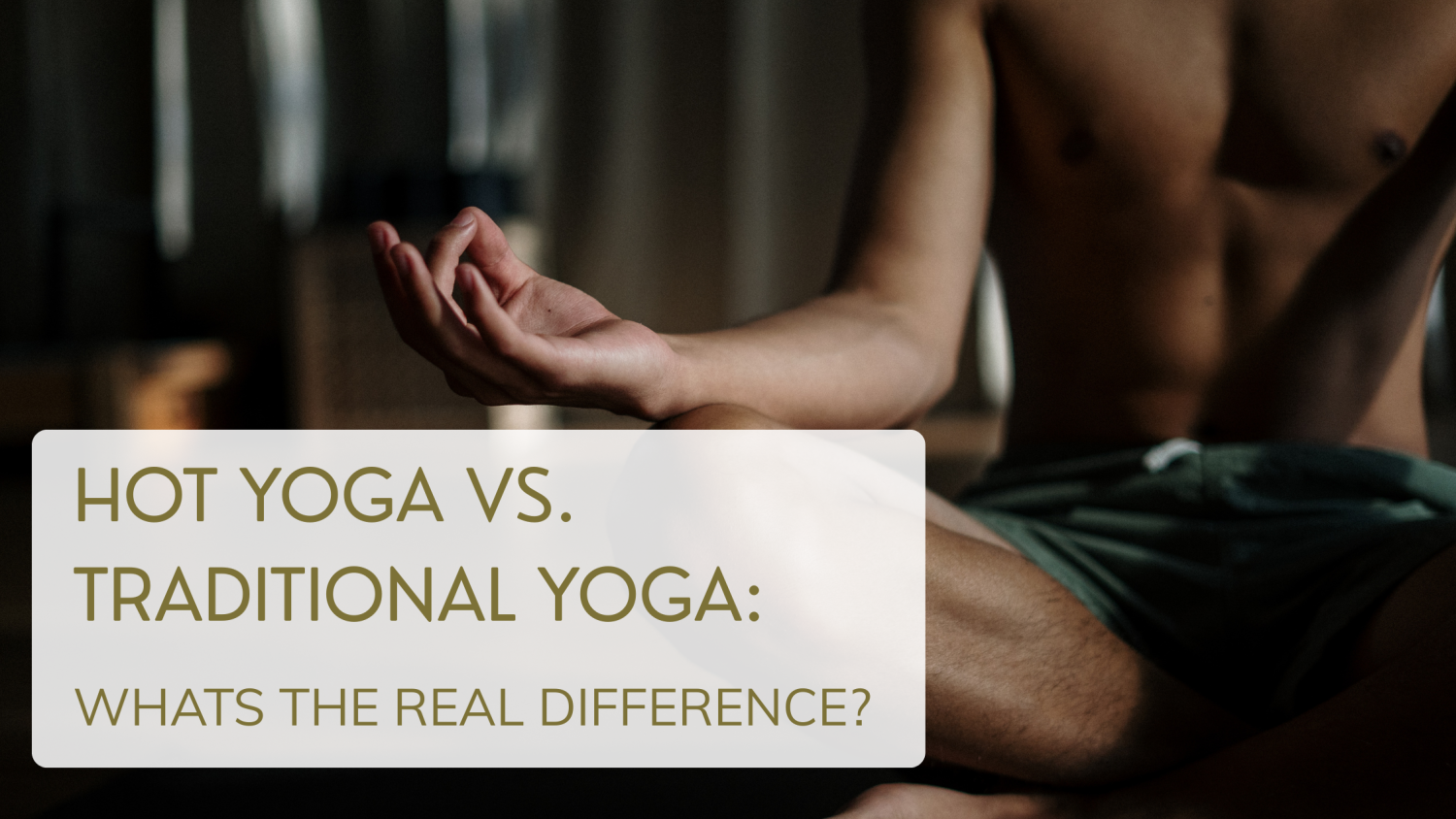
hot yoga vs traditional yoga: what's the real difference?

Hot Yoga vs. Traditional Yoga: What’s the Real Difference?

If you’ve ever hovered over a class schedule wondering whether to choose hot yoga or a traditional (non-heated) yoga class, you’re not alone. Both offer powerful benefits, but they feel very different in the body and serve different intentions. The real question isn’t which is “better” — it’s which one is right for you right now.

Here’s a clear breakdown of how hot yoga and traditional yoga actually differ, beyond the temperature.

The Environment

Traditional yoga is practiced in a room at normal temperature. This allows the body to warm up gradually through movement and breath. Sensations tend to build slowly, and the nervous system often stays in a more grounded, controlled state throughout practice.

Hot yoga is practiced in a heated room, typically between 90–105 degrees depending on the style and studio. The heat changes everything: how muscles respond, how quickly you sweat, how your breath feels, and how intensely you experience the practice. The environment itself becomes part of the workout.

Flexibility and Range of Motion

In traditional yoga, flexibility develops progressively as tissues warm through movement. It’s excellent for building long-term mobility with a slower, more controlled stretch response.

In hot yoga, heat allows muscles and connective tissue to soften more quickly. Many students notice they can move deeper into postures sooner. This doesn’t mean the stretch is safer automatically — it simply means the body feels more open faster. Awareness and restraint still matter just as much.

Strength Building

Traditional yoga builds strength through slower holds, controlled transitions, and sustained engagement. It emphasizes stability, joint integrity, and muscular endurance over time.

Hot yoga builds strength too, but with an added cardiovascular and muscular fatigue component from the heat. Holding postures while sweating heavily taxes the muscles differently and increases overall physical demand, even in familiar shapes.

Detoxification and Circulation

One of the most talked-about benefits of hot yoga is sweating. The heat promotes heavy perspiration, increased circulation, and a feeling of flushing the system. While the liver and kidneys do the true detox work, many people experience hot yoga as deeply cleansing on a physical and energetic level.

Traditional yoga still supports circulation and lymphatic movement, just without the intensity of heat-driven sweating. It’s often preferred for those who want a gentler internal reset without thermal stress.

Cardiovascular Demand

Traditional yoga typically keeps the heart rate lower and more steady, especially in slower styles like slow flow, yin, or restorative. It’s ideal for nervous system regulation and recovery.

Hot yoga elevates the heart rate more quickly due to both heat and physical effort. Even slower sequences feel more athletic in a heated room. This makes hot yoga a hybrid experience: part strength training, part cardio, part mobility work.

Mental and Nervous System Effects

Traditional yoga often supports introspection, nervous system down-regulation, and a meditative internal focus. Because the environment is neutral, the mind can settle more easily for many people.

Hot yoga challenges the nervous system in a different way. Heat intensifies sensation, tests focus, and requires a high level of mental presence. Many students experience hot yoga as mentally strengthening — learning how to breathe, stay calm, and stay steady under pressure.

Who Each Style Is Best For

Traditional yoga is ideal if you:

•   Are new to yoga and want to learn alignment without heat stress

•   Are recovering from injury

•   Prefer slower, quieter movement

Hot yoga is ideal if you:

•   Enjoy sweating and intensity

•   Want a stronger physical and mental challenge

•   Are focused on flexibility and muscular endurance

•   Like structured, athletic movement

•   Want to combine strength, cardio, and mobility in one session

The Truth Most People Miss

Hot yoga and traditional yoga are not opposing practices — they complement each other. Many students feel their best when they practice both. Traditional yoga builds refinement, awareness, and recovery. Hot yoga builds resilience, strength, and stamina.

Your body’s needs change by season, stress level, age, training load, and life phase. There will be times when heat feels therapeutic — and times when room-temperature practice feels essential.

Choosing the Right Class for You

If you are brand new to yoga, traditional classes often provide the easiest entry point. If you already move well and enjoy intensity, hot yoga may feel energizing and empowering. If you train hard outside the studio, traditional yoga may not feel like enough. If your nervous system feels stagnant or sluggish, hot yoga can be deeply revitalizing.

The best choice is always the one that supports your body now — not what you think you “should” be doing.

Final Thought

Both hot yoga and traditional yoga offer profound physical and mental benefits. The temperature doesn’t determine the value of the practice — your intention, awareness, and consistency do. Whether you’re soaking in heat or moving in a neutral room, yoga meets you exactly where you are.

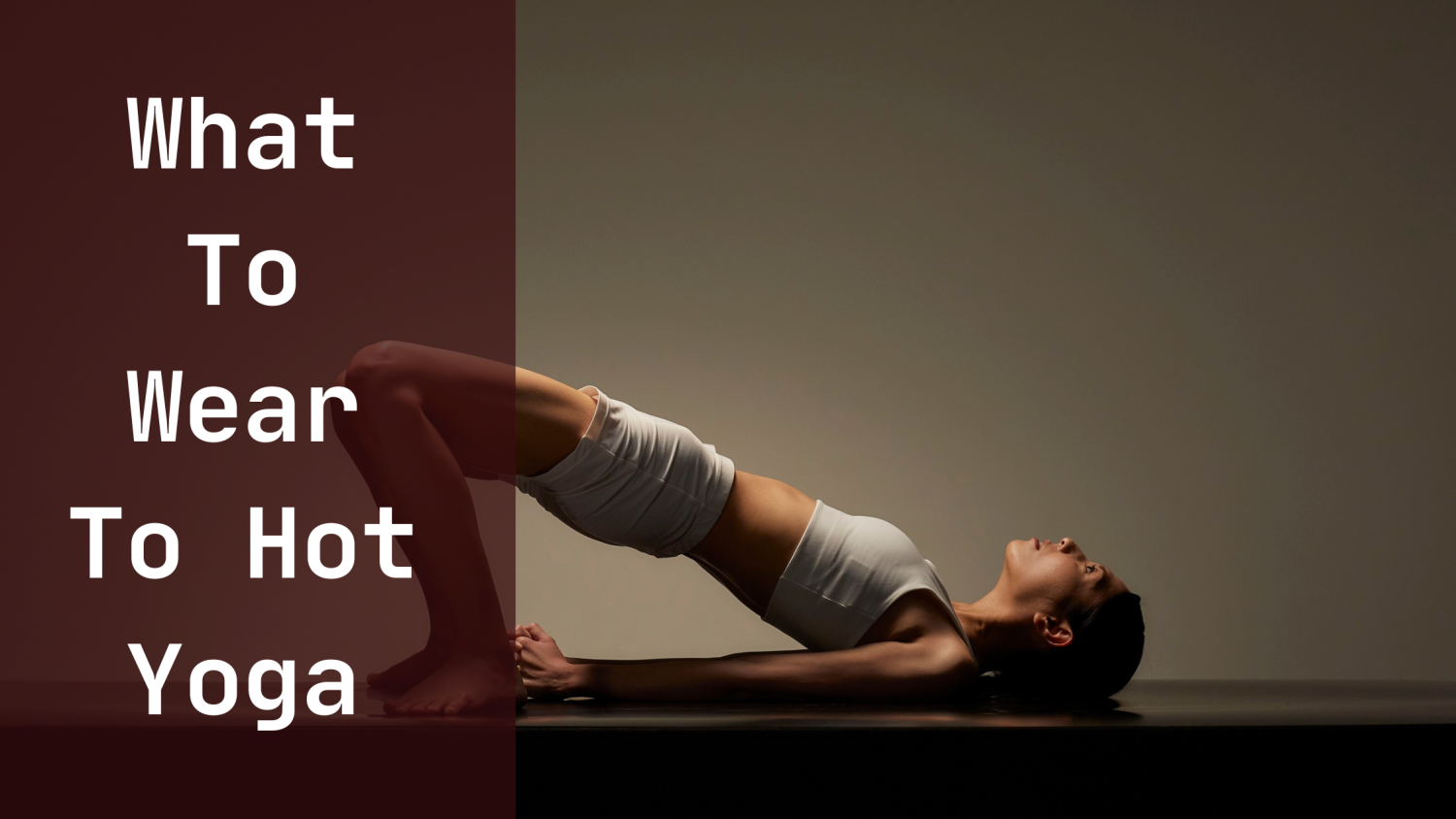
What to wear to hot yoga

What to Wear to a Hot Yoga Class

Hot yoga requires more thought than a typical workout when it comes to what you wear. The right clothing keeps you cool, supported, and comfortable as you move through heat and humidity.

WHAT TO WEAR TO HOT YOGA

1. Sweat-wicking tops and bras

Avoid cotton — it absorbs sweat, gets heavy, and will smell like mildew. Choose moisture-wicking pieces for hot yoga that keep you breathable and mobile.

2. Fitted shorts or leggings

Clothing that stays in place helps you focus on your practice instead of adjusting fabric. Shorter lengths help with cooling, longer lengths help with grip — both work depending on what you are looking for out of your practice.

3. Bare feet + grippy mat

Your mat is your foundation in a hot room. Grip matters even more when you’re sweating. Read our blog below on how to select the right yoga mat for the heated yoga room.

How to Choose the Right Mat for Hot Yoga

4. Minimal accessories

Jewelry heats up quickly and can be uncomfortable. Keep it simple.

5. Bring a towel + water bottle

A mat towel keeps you from slipping if you do not have the proper mat to support you. The towel is a solid work around. Water with electrolytes helps you maintain balance in the heat.

6. Optional: headband or hair tie

Keeping your hair back helps with both cooling and focus. Definitely pull back long strands to keep from getting distracted.

Wearing the right gear makes your first hot yoga experience smoother, safer, and far more enjoyable. Dress for breathability, bring a good mat, and keep your setup simple.

How to stay safe during your first hot yoga class

How to Stay Safe During Your First Hot Yoga Class

Hot yoga can feel intense if you’re new — but it’s absolutely doable when you know how to prepare. With the right mindset, smart hydration, and a beginner-friendly approach, your first hot yoga class can feel empowering instead of overwhelming.

HOW TO STAY SAFE IN YOUR FIRST HOT YOGA CLASS

1. Hydrate before you arrive

Stay hydrated before your first hot yoga session. Electrolytes help your body handle heat more efficiently.

2. Eat a light meal 2–3 hours beforehand

You don’t want to practice on a full stomach, but you also don’t want to be depleted. Eat something small a few hours in advance, think nuts, a piece of fruit or a healthy snack. Nourishing your body before and after hot yoga will be a game changer.

3. Pace yourself

Your first class is not the one to test your limits. Resting on your back or belly is normal and respected. If you know childs pose, take that when you need to rest. It’s important you listen to your body and acclimate to the different dynamics happening within the heated space.

4. Choose a beginner-friendly flow

Look for classes labeled beginner, all-levels or slow flow vinyasa. Ask the teacher where to set your mat for the best experience. Often times beginners flock to the back of the class, but that actually makes it more difficult to be visual in front of you or behind you. The best spot is somewhere in the middle of the room to keep visual lines clear.

5. Bring the right gear

A grippy mat, towel, and water bottle with electrolytes will make a huge difference. Wearing the proper moisture wicking clothes suited for hot yoga is key to a comfortable experience. Cotton will get soaked through very quickly and will stick to the body and create odor. Avoid synthetic or cotton fibers and work with organic clothes that will enhance your hot yoga experience not hinder it.

The right mat is essential for hot yoga. A proper hot studio will have mats for rent that are specific to the hot yoga space. Ask for assistance on the best mat for your experience. The mats that can be purchased at target are a ‘open cell’ structure. That means once you start sweating, your mat will act as a sponge and you will slip and slide. You need a ‘closed cell’ structure to wick away the sweat, not absorb it. These mats are more costly, but they create a much more stable and enjoyable experience.

6. Listen to your body

Dizziness, nausea, or blurry vision mean it’s time to rest and breathe. Heat acclimation takes time and happens naturally with consistent practice. We often say give it 3 classes before your body starts to truly acclimate to the hot environment.

7. Cool down properly

Don’t rush out. Give yourself a few minutes in Savasana to let your system recalibrate. Your body and mind need that time to integrate the totality of the hot yoga practice.

Hot yoga is for beginners and it can be transformative — especially when approached with awareness. Take it slow, hydrate well, and remember that every practitioner was once a beginner.

Is hot yoga safe for beginners? Everything you need to know (Grand Rapids Edition)

Is Hot Yoga Safe for Beginners? Everything You Need to Know

Hot yoga can look intense from the outside — 99° heat, and sweat everywhere, deeply flowing sequences — but the truth is this: hot yoga classes in Grand Rapids can be incredibly safe for beginners when the environment is built correctly and when teachers know how to guide all bodies, all ages, and all experience levels.

At Fever Yoga Cycle Strength, our hot yoga room was intentionally designed with on-purpose forced-air heat, balanced humidity, and energy-recovery ventilation that pulls fresh air in continuously according to the Co2 and oxygen levels within the room. This makes the practice not only accessible for beginners, but safer, cleaner, and more supportive than most hot studios. In fact, the entire air quality is turned over within 45 minutes. We hear all the time that our heat is by far superior to other spaces they have visited.

Below is your full breakdown.

1. The Heat Is Controlled, Clean, and Beginner-Friendly

Our hot room isn’t “dry heat” or inconsistent space heaters. It’s a purpose-built system that maintains:

• ~99° heat

• ~45% humidity

• Continuously refreshed oxygen via ERVs that sense CO₂ levels and pump in fresh air on demand

Most beginners worry hot yoga will feel suffocating. Ours doesn’t — because the air is constantly moving, replenishing, and circulating cleanly. You get heat that helps your muscles open, but with air quality that actually feels breathable.

2. You Don’t Need to Be Flexible or Fit to Start Hot Yoga

Hot Yoga beginners tell us this all the time:

“I’ll start hot yoga once I’m in better shape.”

No.

Come exactly as you are. You build strength, flexibility, and stamina by coming, again and again — not by waiting.

We see every age, every shape, every background in our hot yoga room:

• Teens

• 20s–40s

• 50s–70s+

Many of our students start with zero yoga experience. Hot yoga is scalable for every single level.

3. The Vinyasa Flow Helps, Not Hurts

Our hot classes follow a vinyasa-based format — linking breath and movement — but we teach intelligently. Here’s how we keep you safe in your first hot yoga class:

• Clear cuing

• Options for every pose

• Slower warm-ups so your body can adjust to heat

• Safe sequencing designed to stabilize, not overwhelm

Safe hot yoga mats designed to keep you stable as you practice in the heated space

You won’t be thrown into advanced postures without modifications offered. You’ll never feel behind. Our teachers aren’t reading off scripts — they’re guiding you and personalizing the experience to ensure your comfort.

4. Sweating Helps Detox, Hydrate, and Heal

Beginners are often nervous about the sweat. But sweating is one of the body’s healthiest responses:

• Boosts circulation

• Helps regulate body temperature

• Lubricates joints

• Supports detoxification

• Helps reduce stress hormones

When paired with our moist, balanced heat, your body finds flow, not burnout.

5. You Control the Intensity

This is the part nobody tells beginners:

Hot yoga doesn’t require intensity — it requires presence.

You can:

• take breaks

• drink water

• rest in child’s pose anytime

• skip poses

• come out early

You never have to “push through” anything. This is your practice, your pace, your body.

6. The Benefits of Hot Yoga Start Immediately

Beginners usually notice within 1–3 classes:

• deeper sleep

• reduced stress

• improved mobility

• feeling “lighter” mentally and physically

• more energy

• better mood regulation

• increased circulation

And with consistent practice, strength builds fast — especially core, legs, and postural muscles.

7. Your First Hot Yoga Class at Fever (What to Expect)

Here’s exactly what walking into your first class will feel like:

• A warm, welcoming room — never overwhelming

• Kind, experienced teachers who help you set up

• A community of real people, not fitness models

• Music that sets a grounded flow

• A sequence that builds slowly and safely

• Space to breathe, move, and reconnect to yourself

Most beginners leave thinking:

“I can do this and I feel amazing.”

And that’s the point.

Is Hot Yoga Safe for Beginners? Absolutely — When Done Right.

With properly designed heat, fresh-air circulation, smart sequencing, and teachers who know how to guide every level, hot yoga becomes one of the safest and most transformative practices you can start.

If you’re ready to begin — or begin again — our Grand Rapids community is here for you.

Book your first hot yoga class → Hot Yoga Schedule


Hot yoga in Grand Rapids at Fever Yoga Cycle Strength

Hot Yoga in Grand Rapids: Discover the Best Heat at Fever

Hot yoga hits different at Fever — and it’s not just the temperature.

Our hot room is built for 99° heat, 45% humidity, clean fresh air, and the kind of vinyasa flow that leaves you feeling clear, strong, and alive. This is where breath, movement, heat, and energy work together to elevate your entire yoga practice.

If you’re searching for hot yoga in Grand Rapids or wondering if hot yoga is right for you,  here are benefits that set Fever YCS apart — and why our students say it’s the best heat in town.

1. The Perfect Balance: 99° Heat + 45% Humidity

Hot enough to warm your body quickly.

Balanced enough to breathe, move, and stay energized.

The 99° / 45% combo supports:

•   safer, faster warm-up

•   deeper muscle engagement

•   increased circulation

•   enhanced flexibility

•   smoother transitions

•   a stronger vinyasa practice overall

This isn’t “sweltering” heat. It’s training heat — crafted to support performance, longevity, and results.

2. Clean, Fresh Air — Powered by ERV Technology

Often times hot yoga rooms recycle air.

Ours doesn’t.

Our hot room uses a full ERV (energy recovery ventilation) system that constantly measures oxygen and CO₂ levels and pumps fresh air into the space as soon as it hits a threshold.

This means:

•   cleaner air

•   safer training

•   less fatigue

•   better focus

•   no “airless” hot yoga feeling

It’s hot yoga with fresh air — not stagnant heat.

3. A Practice for Every Body: Ages 17 to 70+

If you think you’re “too old,” “too tight,” or “not flexible enough”…

come take class and look around.

Our hot yoga community includes:

•   teens

•   young professionals

•   parents

•   people in their 40s, 50s, 60s, and 70s

•   all genders

•   all backgrounds

•   all body types

If you can breathe, you can practice here.

Hot yoga is safe for beginners. It wraps strength, mobility, breath, and meditation into movement — you don’t need to fit a mold to belong and it’s okay to be brand new to the practice.

4. Stress Reduction + Mental Reset

Heat + breath +  hot flow creates a neurological recalibration:

•   your breathing deepens

•   your nervous system softens

•   your focus sharpens

•   your thoughts settle

This is where the movement becomes meditation — the medicine most people don’t realize they’ve been missing.

5. Detoxification + Circulation Boost

Our hot room supports:

•   increased sweating

•   improved lymphatic flow

•   faster recovery

•   reduced inflammation

•   clearer skin

•   better mobility

You’ll feel lighter, cleaner, and more open long after class ends. It’s important to stay hydrated to avoid dehydration during hot yoga so be sure to drink extra water on days you’ll practice.

6. Strength + Cardio in Every Hot Flow

Vinyasa yoga creates flexibility — and it builds functional strength.

Every class trains:

•   core

•   shoulders

•   hips

•   legs

•   stability

•   balance

•   endurance

Heat amplifies muscle activation, helping you build lean, powerful strength without impact.

7. A Community That Moves Together

People come to Fever for the heat —

but they return for the energy in the room.

It’s uplifting, inclusive, and unapologetically real.

No cliques.

No comparison.

Just movement, breath, sweat, and support.

Experience Hot Yoga in Grand Rapids the Fever Way

If you’re looking for real hot yoga — clean air, strong heat, true vinyasa, and a community that feels like a pulse — this is it.

Book a hot yoga class in Grand Rapids → www.feverycs.com/

How to balance your fitness week in Grand Rapids

How to Build a Balanced Fitness Week in Grand Rapids

Move Smarter, Not Harder

In a city as active as Grand Rapids, it’s easy to feel like you have to do it all. Strength train. Get your cardio. Stretch more. Meditate. Don’t forget core. And while variety is the spice of life (and fitness), too much too fast can leave you exhausted—or worse, injured.

At Fever Yoga Cycle Strength, we believe in building a sustainable fitness routine that works with your body, not against it. Here’s how to create a weekly plan that keeps you moving, motivated, and balanced—without burning out.

1. Build a Strong Base: Strength Training (2x/week)

Strength is your foundation. Whether you’re cycling, flowing, or pulsing at the barre, it supports joint health, improves posture, and enhances performance across all modalities.

Our group personal training classes in Grand Rapids are designed to take the guesswork out of your workouts. You’ll build strength safely with guidance, structure, and motivation in a small group setting.


2. Boost Your Heart Health: Cycle or Heated Barre (1–2x/week)

Add in some cardio—but keep it smart and sustainable. Our indoor cycling classes in Grand Rapids are high-energy, music-driven, and low-impact, giving you an effective burn without taxing your joints.

Or try our upgraded heated barre classes in Studio B, powered by radiant infrared heat for a sweat that supports recovery, mobility, and skin health.

3. Balance It Out: Yoga (1–3x/week)

Yoga is where strength meets softness. Our hot yoga and restorative yoga classes support mobility, mindfulness, and nervous system regulation—perfect for recovery, grounding, or a powerful standalone workout.

Whether you’re recovering from a strength session or winding down after work, yoga is your body’s best reset.

4. Sample Balanced Week

Here’s one sample routine out of many diverse options that many of our Fever members follow:

•   Monday: Group FIT Strength Training (30) and Express RIDE (Indoor Cycling) (30) OR Barre Sculpt (50) OR Hot Pilates (50)

•   Tuesday: Power Vinyasa Hot Yoga (60 hot) or Slow Flow Hot Yoga (60 hot) •   Wednesday: Restore + Sound Bath (60 assisted class) RECOVERY DAY

•   Thursday: Hot Barre Burn (50 infrared)

•   Friday: Vinyasa Hot Yoga (45 hot) or Hot Pilates (50)

•   Saturday: RIDE (Indoor Cycling 30 ) or Pilates (50)

•   Sunday: Slow Flow Hot Yoga (60 hot) or RIDE (Indoor Cycling 30)

The key? Listen to your body. Your energy fluctuates. We help you stay consistent while honoring your limits.

Final Thoughts: Keep Your Fitness Flowing

At Fever YCS we offer flexible, results-focused programming to support your goals. You don’t need to do it all—you just need the right balance of movement, recovery, and consistency depending on what you need that day.

Ready to build your balanced week? Check our class schedule and start strong today.

Do Grand Rapids locals prefer working out in the morning or afternoon?

Do Grand Rapids Locals Prefer Morning or Evening Workouts?

If you’re trying to find the best time to work out in Grand Rapids, you’re not alone. One of the most common questions we hear at Fever Yoga Cycle Strength is: “Should I be working out in the morning or the evening?” While both options have benefits, we’ve noticed clear patterns right here in our community—and we’re here to help you discover what works best for you. Building a balanced fitness week is key to a successful routine.

Morning Workouts in Grand Rapids

Many of our members love the sense of accomplishment that comes from getting their movement in early. Whether it’s a sunrise hot yoga class, a focused barre session, or a strength class that jump-starts your day, morning workouts offer:

•   A mood and energy boost (thanks, endorphins)

•   Better consistency and fewer schedule interruptions

•   A sense of community with other early risers

At our Grand Rapids fitness studio, popular morning classes include hot yoga, barre sculpt, strength training and cycle—especially before work hours.

Evening Workouts in Grand Rapids

For others, evening workouts at Fever offer a welcome release after a busy day. Whether you’re sweating it out in a high-energy cycle class, building strength with resistance training, or grounding down with yoga, evening workouts:

•   Help release daily stress

•   Offer more flexibility for late risers or parents

•   Often feel more social and community-driven

We see consistent turnout for evening hot yoga in Grand Rapids, especially among those who prefer to work out after 5 p.m.

Which Is Best? The Answer: It Depends on You.

Whether you prefer AM or PM workouts, we’ve got options to meet your schedule. Our goal at Fever is to support your long-term consistency—so choose the time that helps you show up most regularly.

Looking to build a habit? Start with 2–3 classes per week during your preferred window, and mix in a variety of modalities:

•   Barre, Pilates, Hot Pilates and Hot Barre in Grand Rapids for strength and alignment

•   Hot yoga for detox, flexibility, and empowerment

•   Group personal strength training  for guided results

•   Cycle classes in Grand Rapids for high-energy cardio

Final Thoughts

At Fever YCS, we offer morning and evening fitness classes because we know one size doesn’t fit all. Your lifestyle, energy levels, and goals matter—and we’re here to support them with flexible schedules, welcoming instructors, and results-driven programming.

What is Vinyasa Yoga

What is Vinyasa Yoga?

Vinyasa Yoga 101

So you’ve taken a Vinyasa Yoga Class and may have even heard your favorite teacher call out “take your Vinyasa”. This can be confusing. The term Vinyasa actually has a few different meanings that are used quite frequently and are not mutually exclusive.

The word Vinyasa can be translated into arranging something in a special way, such as yoga poses. Vinyasa is one of many different styles of yoga and is a practice where we link the breath with movement. We coordinate and flow poses together from one pose to the next and do each set of poses on each side of the body.

Before transitioning to the other side of the body we hear the teacher call out “take your Vinyasa” or “take your Chatarunga”. This means that we move through the transitioning poses of Downdog, Plank, Cobra/Updog, and then back to Downdog to neutralize the body before beginning the other side. These transitional poses are part of the tradition of yoga and have been practiced this way for thousands of years. So again, linking poses together using the breath. These 4 poses are linked together as transitions and are considered a “Vinyasa”.

Vinyasa is one of the most popular styles of yoga

We understand why Vinyasa Yoga has become so popular. It’s a dynamic style of yoga practice that burns calories, kicks up your heart rate, AND builds strength and flexibility. What’s not to love?

By consciously flowing with breath and movement we anchor ourselves in the present moment. It is often referred to in classical yoga as the “breathing system”.

Vinyasa Yoga Classes are always different

There is a ton of variety in Vinyasa Yoga Classes. Normally, no two yoga classes are the same. Teachers choreograph and link together poses that open certain areas of the body. Some days you may work hips and quads, other days shoulders, core or low back. Some days, you get a mixed bag where you get a little bit of everything! Almost certain though, you will get a spine lengthening and strengthening session regardless if you work the upper or lower body. All yoga poses revolve around the axis of the spine.

There is a saying in yoga…

‘Age is not defined by a number but by the flexibility of your spine’

We agree wholeheartedly~

There are many styles of yoga to explore

Hatha yoga is a set of postures for physical and mental exercise used to open up the channels of the body. “Ha” means sun and “tha” means moon. We balance the sun (masculine) and moon (feminine) energies of the body to develop strength and flexibility. This is a transformation style of yoga that focuses on the 8 limbs of yoga designed by Patanjali, the Father of Yoga.

Restorative yoga is where we utilize gravity and many props to hold poses for long periods of time. These poses are normally close to the ground or practiced on the belly, seat or back. It is the opposite of a “yang” practice which revolves around dynamic energy. This practice is meant to offer up more stillness and challenge the mind by slowing down.

Ashtanga yoga was the first style of yoga and is the foundation that all yoga derived. It was developed by Sri K. Pattabhi Jois in the early 1900’s. Ashtanga Yoga is a progressive set of postures or asanas that is linked together with the breath to induce an internal heat that purifies the muscles and organs. It is the same set of postures each time. This yoga creates a strong body and calm mind. There are 3 sets or series in Ashtanga Yoga. The short-form primary series is usually what is taught in most yoga studios that offer Ashtanga Yoga.

There are several other types of yoga to explore such as Kundalini Yoga, Bhakti Yoga, Jiva Mukti Yoga and more. Finding the right fit for your lifestyle is key.


Avoiding yoga induced injuries

AVOIDING YOGA-INDUCED INJURIES

Doesn’t it always seem that just as you’re getting really comfortable and strong in your vinyasa yoga practice, an injury comes along that knocks you off your feet and requires you to slow down? Whether it’s a strained muscle or a broken bone, the lesson is simple: time to rest and heal.

Thankfully, yoga is a form of exercise that thrives off of alterations, changes, and meeting you where you are each time you step on your mat. It offers plenty of variations for those needing to ease up, and it actually can help you prevent or recover from injuries.

When You’ve Gone Too Far

As a general rule, you should never feel pain in your joints. If you do feel pinching sensations, it’s an indication to stop and relearn your technical approach.

Muscles are a different story. Muscular soreness is an unavoidable sensation caused by any physical activity: running, biking, weight lifting, dancing. This kind of soreness is natural. But if you start feeling pain in your joints – such as in the vertebrae or shoulder joints – while attempting complex movements, it’s time to modify.

Wave your yoga instructor down and ask for a few pointers. At Fever, we do our best to help students right during class, but if we can’t answer all your questions, please grab us before or after class.

Conquering the Ego

If you are experiencing an injury, one of the hardest things to face is your own ego. You’ll begin to cringe when you have to back out of a pose or rest in child’s pose rather than following the sequence you used to easily flow through. I’ve got some blunt honesty for you: let the ego bleed itself to death. This is exactly what you’ll need to free yourself from the whiny voice in your head that thinks your value is tied to your success.

Then, you’ll be able to reframe your mind. Injury demands you to ask what your priority in yoga really is. When you can no longer do the “cool” poses, you must identify whether your motivation is finding inner peace or simply mastering advanced poses.

Injury Prevention

1. Sudden or Acute Pain– Do you know the difference between stretching within your limits and pushing beyond them? Often, we slip into the latter and our body gives a shout of pain.

What to Do: Speak up if something doesn’t feel quite right when your instructor makes an adjustment. Give yourself some compassion when you have the desire to force or contort yourself into a posture that’s just not happening today!

2. Connective Tissue Tears– Occasionally, your joint may take on too heavy of a load, such as your knees in Chair Pose or your elbows and wrists in arm balances.

What to Do: Stop what you were doing immediately before making the injury worse. You may want to take a few days off, but when you do return to your mat, remember to focus on stability rather than stretching; this way you’ll stay within your limits.

3. Repetitive Stress Injuries– Dedicated yogis occasionally experience stress injuries – like tendonitis – from repeatedly doing the same movements.

What to Do: Though you may have a favorite style of yoga, mixing things up and trying not only different yoga classes but also other forms of exercise, is a great way to shift the frequency away from overused body parts.

4. Connect Privately – Consider taking a 1:1 private yoga session to ensure you stay safe in your body. This will train your mind and body properly so you don’t pick up bad habits while conditioning.

What to Do: Schedule a private yoga class with an instructor with over 10 years of experience and that teaches in an actual home base. Random yoga instructor online, while may be okay, are not teaching regular enough to teach intelligent private yoga classes. Anyone can market to a group or individual for private lessons, but their connection to a reputable studio should be a key factor.


mastering chatarunga

Mastering Chaturanga

Ever heard your yoga teacher call out “chaturanga” and wonder if you’re doing it correctly? We feel you. Chaturanga Dandasana – or four-limbed staff pose – is the one yoga pose yogis love to hate. Most of us do it incorrectly or half-heartedly for years before finding the light.

Because this is such a physically and emotionally challenging pose, there’s a tendency to rush through it to get it over with. But a lack of attention is perhaps the biggest problem. While chaturanga can be a great way to tone your arms and core, your alignment needs to be spot on. Otherwise, you’ll risk shoulder or back injury.

The Benefits of Chaturanga:

Why do we put ourselves through this tough pose? There are several reasons why yoga instructors sprinkle chaturanga dandasana throughout their classes. Here are some of my favorite reasons for using chaturanga to transition between your yoga sequences.

  1. It makes your wrists stronger and more flexible.
  2. It builds muscles in your back, shoulders, and arms.
  3. It tones and stretches your core muscles.
  4. Add all of this together and it’s a great preparatory pose for arm balances and inversions

The upper-body and lower-belly strength you acquire by practicing chaturanga translates wonderfully into the power and core consciousness you need for arm balances like crow pose and side plank.

Where Most of Us Go Wrong:

It’s challenging to know when you are doing your chaturanga correctly. And since it’s a pose of repetition, it can lead to injury when performed incorrectly over and over again. Here are a couple ways even the best of us mess up our chaturangas sometimes.

  • Our hands are too close to our shoulders, causing our elbows to bend further than 90 degrees.
  • Our bodies either collapse to the ground with a saggy back or we stick our butt out toward the ceiling putting too much pressure on our shoulders.
  • Our elbows fall outward instead of hugging our core.
  • We lazily move through chaturanga, barely bending at the elbow before quickly rushing into upward dog.

How to Make Chaturanga More Accessible:

One option is to practice the pose with your knees on the floor – there’s no shame in this. It will help you build strength to lower down in one line. Closely monitor your elbow alignment. Next, recognize how deep you go as you lower yourself toward the floor, catching yourself before you begin to sag. Finally, share the strength of the pose between your upper and lower body so that your legs can ease the burden.

Ask for Help

If you’re seeking to build your yoga practice and gain safety and alignment within your body, schedule a private yoga class. You’d be surprised how just 1 session can move the needle to a stronger more accurate awareness of your body during every class moving forward.