
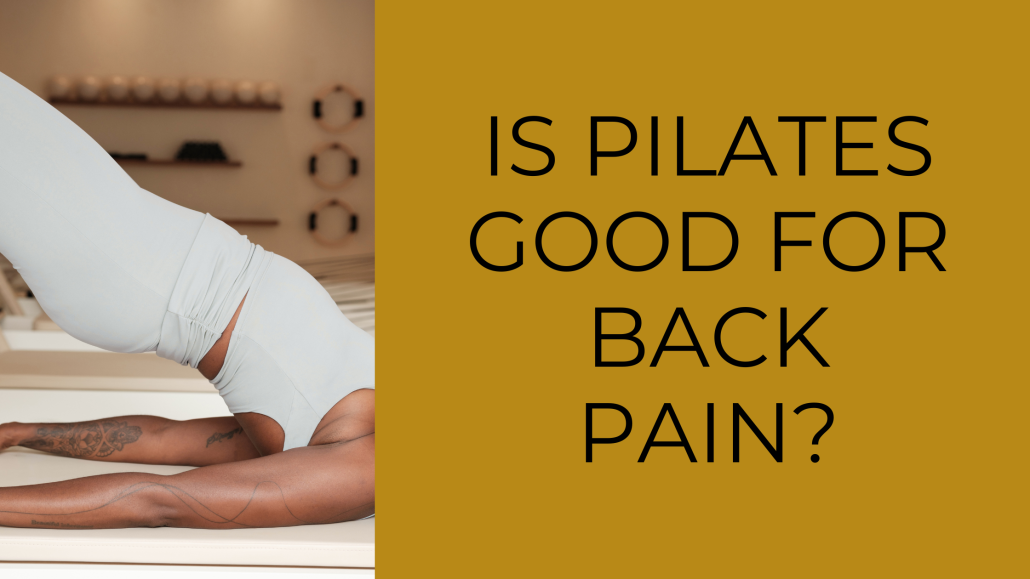
Is Pilates Good for Back Pain?
Back pain is one of the most common reasons people begin looking for a new form of exercise. Whether your discomfort comes from sitting at a desk all day, repetitive movements, poor posture, or general muscle weakness, you may be wondering if Pilates can help.
The good news is that Pilates is designed to improve the way your body moves. Rather than focusing on high-impact exercise or repetitive motions, Pilates emphasizes strength, stability, mobility, and control. For many people, these qualities can contribute to a healthier, more supported back.
Can Pilates Help Back Pain?
For many individuals, yes. Pilates focuses on strengthening the muscles that support your spine while improving balance, coordination, and body awareness. As these muscles become stronger and work together more efficiently, everyday movements like standing, bending, lifting, and walking often feel easier and more comfortable.
While Pilates isn’t a cure for every type of back pain, it can be an effective part of a long-term movement routine that supports spinal health.
Why Does Pilates Help Support a Healthy Back?
A strong back depends on more than just strong back muscles. Your hips, glutes, abdominal muscles, pelvic floor, and shoulders all contribute to the way your spine functions.
Pilates trains these muscle groups to work together instead of compensating for one another. The result is improved posture, better movement mechanics, and less unnecessary strain placed on the lower back during everyday activities.
Can Pilates Strengthen Your Core and Reduce Back Pain?
One of the biggest misconceptions is that your core consists only of your abdominal muscles. In Pilates, your core is viewed as the entire support system surrounding your trunk, including your deep abdominal muscles, back muscles, diaphragm, and pelvic floor.
Developing strength throughout this system creates greater stability for the spine. A stronger core can improve balance, posture, and movement efficiency, all of which may help reduce the stress that contributes to back discomfort.
Is Pilates Better Than Stretching for Back Pain?
Stretching certainly has its place, but flexibility alone doesn’t always solve the problem.
Pilates combines mobility with strength, helping your body move through a healthy range of motion while also building the stability needed to support those movements. Instead of simply increasing flexibility, Pilates teaches your body how to control movement safely and efficiently.
Who Should Try Pilates for Back Pain?
Pilates can be an excellent choice for beginners, active adults, older adults, and athletes alike because every exercise can be modified to meet your current ability.
If you’re experiencing persistent or severe back pain, it’s always wise to speak with your healthcare provider before beginning any new exercise program. Once you’re cleared for activity, a qualified Pilates instructor can help you build confidence while progressing at a pace that’s appropriate for you.
What Is the Best Pilates Class for Back Pain?
The best class is one that prioritizes proper form, thoughtful instruction, and gradual progression over intensity.
At Fever | Yoga Cycle Strength, our Pilates classes focus on controlled movement, proper alignment, and building strength from the inside out. Whether you’re completely new to Pilates or returning after time away, our instructors can help you develop a movement practice that supports your goals and helps you move with greater confidence.
The Bottom Line: Is Pilates Good for Back Pain?
For many people, Pilates offers far more than a workout. It builds strength, improves posture, increases mobility, and teaches your body to move more efficiently. Over time, those improvements can help support a healthier back and a stronger, more resilient body.
If you’ve been wondering whether Pilates is right for you, there’s no better time to discover how intentional movement can make a meaningful difference in the way you feel every day.

