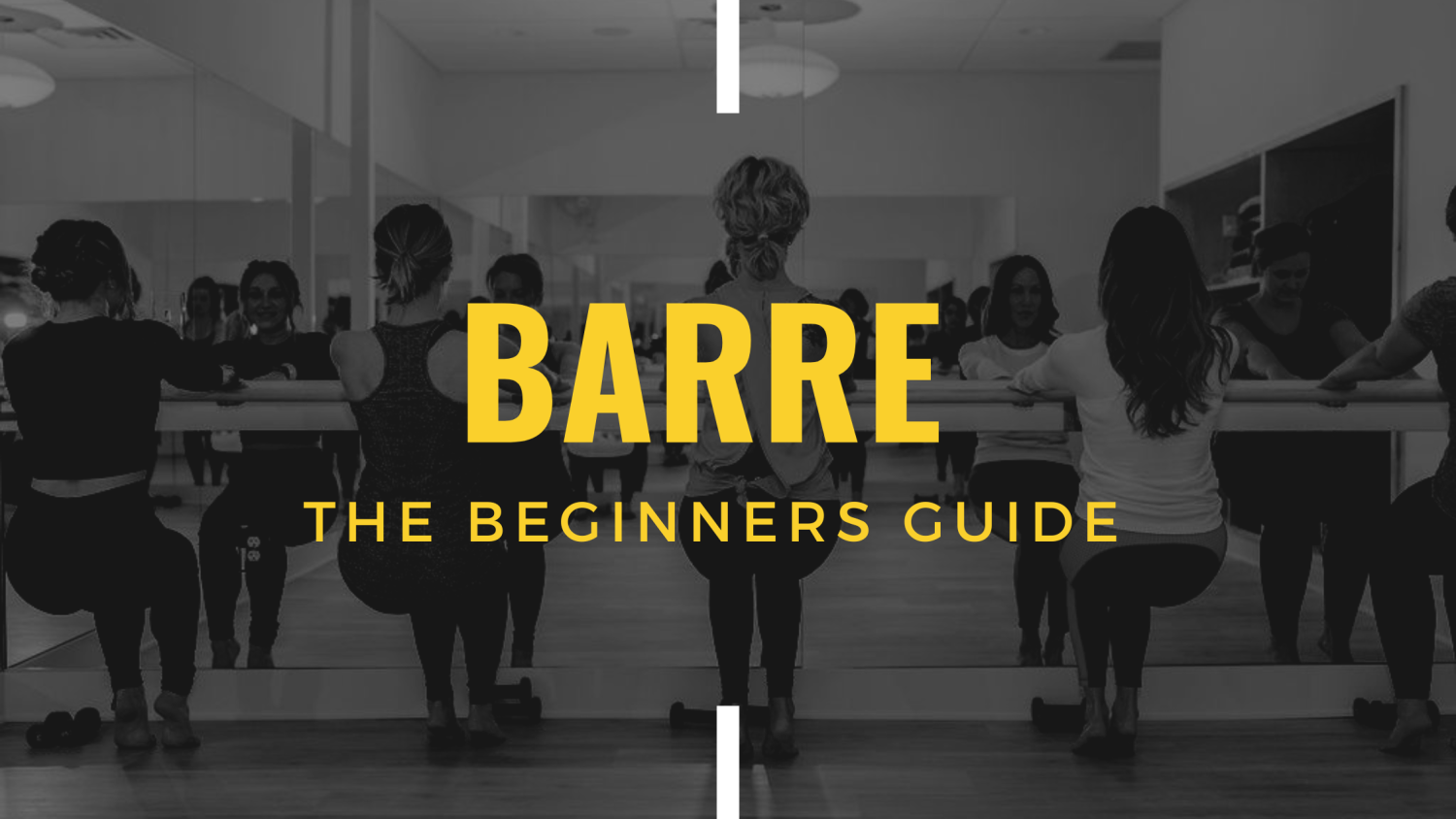
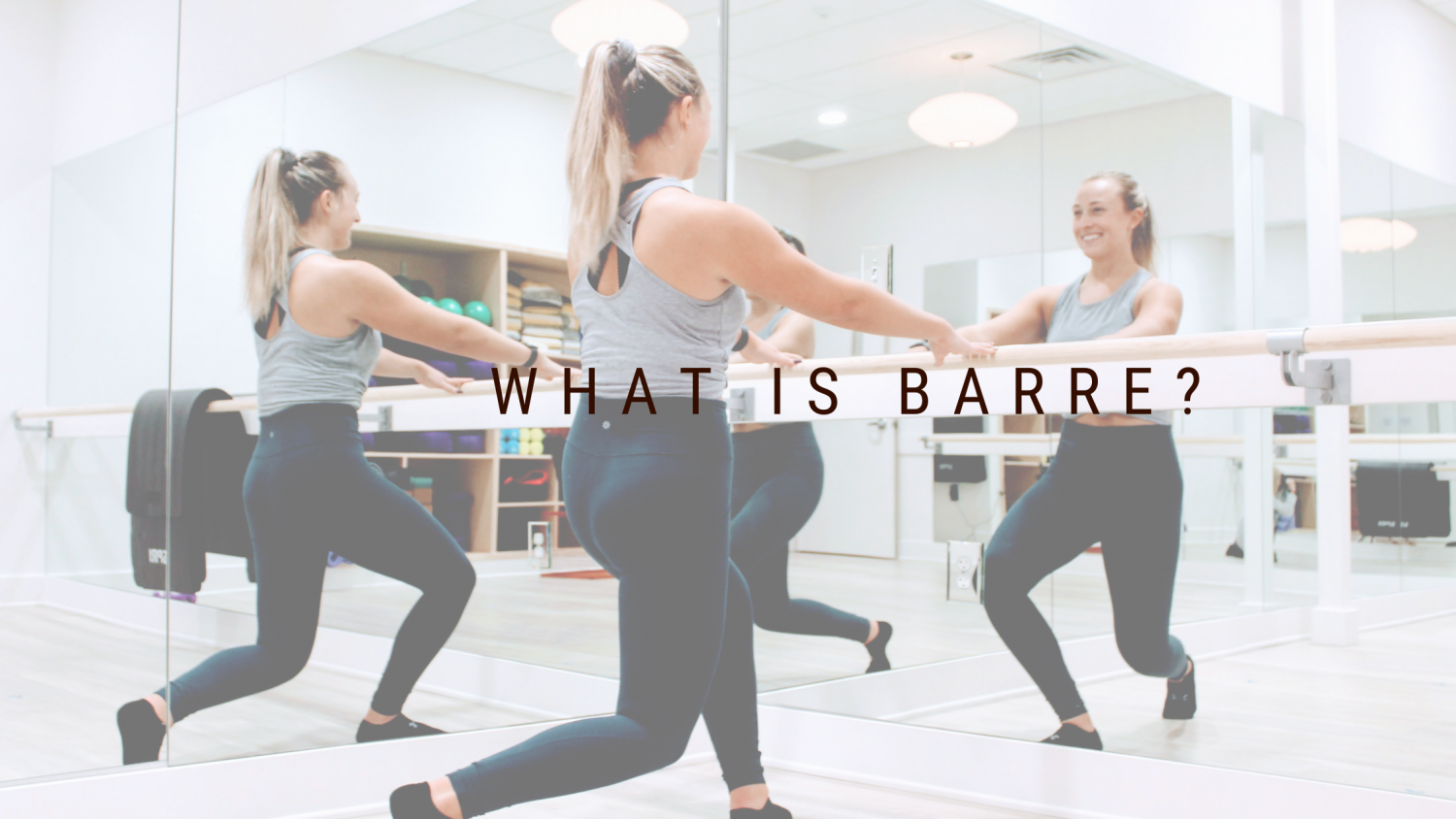
Experience barre in Grand Rapids that goes beyond the basics. Our unscripted barre format builds strength, sharpens form, and delivers a total-body burn rooted in smart sequencing and exceptional coaching.

Does Barre really build muscle?

Does Barre Really Build Muscle?

Barre is often misunderstood as “just small movements” — but don’t let the tiny pulses fool you. Barre is a legitimate strength-building workout that targets deep stabilizing muscles through sustained tension, high repetition, and precise alignment. While it doesn’t build bulky mass like heavy lifting, it absolutely builds functional strength, muscular endurance, and visible tone.

In fact, many people are shocked by how sore they feel after their first barre class — because barre works muscles most traditional workouts miss.

How Barre Builds Strength (Without Heavy Weights)

Barre builds muscle using time under tension, not max load. Instead of lifting heavy once or twice, you hold positions for extended periods while performing micro-movements. This creates:

•   Deep muscle fiber recruitment

•   Increased muscular endurance

•   Strong joint stabilization

•   Improved posture and balance

You’re strengthening the muscles around the joints — hips, knees, shoulders, spine — which is why barre is so effective for injury prevention and functional movement.

What Muscles Does Barre Work?

Barre is a true total-body workout, but it especially targets:

•   Glutes and outer hips

•   Thighs (quadriceps, hamstrings, inner thighs)

•   Core (deep abdominals and spinal stabilizers)

•   Upper back and posture muscles

•   Shoulders and arms

Because movements are small and controlled, you stay engaged in every ounce of the range — no momentum, no shortcuts.

Will Barre Make You “Bulky”?

Short answer: no. Barre builds lengthened, sculpted muscle, not bulk. The repetition, lighter resistance, and continuous engagement favor lean muscle development. Even clients who strength train heavily use barre to refine and balance their physique.

What most people notice after consistent barre practice is:

•   Firmer legs and glutes

•   Stronger, flatter core

•   More defined arms

•   Better posture

•   Increased joint stability

How Barre Compares to Traditional Strength Training

Barre and traditional strength training both build muscle — they just build it differently.

•   Traditional strength training excels at building maximal strength and muscle size.

•   Barre excels at muscular endurance, stabilization, posture, and refined tone.

Used together, they’re incredibly powerful. Many people find that adding barre improves their performance in heavier lifting and athletic training.

(If you’re comparing modalities, you may also enjoy our breakdown of Barre vs Strength Training – What is Right for You?)

Does Hot Barre Change the Results?

When barre is practiced in a heated environment, the benefits become even more pronounced. The warmth allows for:

•   Greater muscle elasticity

•   Deeper muscular engagement

•   Faster fatigue (which drives adaptation)

•   Increased circulation and recovery

Heated barre creates a unique blend of strength training and recovery-focused conditioning.

If you’re curious about that experience specifically, you can explore our Hot Barre classes in Grand Rapids here:

Hot Barre in Grand Rapids – Discover Heated Barre Training at Fever]

Who Should Practice Barre for Strength?

Barre is ideal for:

•   Beginners building foundational strength

•   Athletes seeking balance and injury prevention

•   Anyone recovering from joint instability (with proper guidance)

•   People who dislike heavy weights but still want real results

•   Those wanting lean strength without bulk

Barre is one of the most accessible strength modalities available — yet one of the most deceptively challenging.

Does Barre Really Build Muscle?

Absolutely — just in a different way than people expect.

Barre builds:

•   Deep functional muscle

•   Endurance-based strength

•   Joint stability

•   Balanced, sculpted tone

It’s not about loading the body with heavy weight. It’s about teaching the body how to support itself with strength, control, and intelligence.

If your goal is long-term strength, resilience, and visible definition — barre is more than enough to get you there.
Hot Barre in Grand Rapids

Hot Barre in Grand Rapids: Sculpt, Sweat & Strengthen with Infrared Heat

Hot barre has officially arrived in Grand Rapids — and it’s unlike anything you’ve ever felt. At Fever Yoga Cycle Strength, we fuse classic barre technique with therapeutic infrared heat, strength-based sequencing, and a rhythm-driven flow that leaves your entire body sculpted, energized, and elevated.

This isn’t a barre video on a screen. Can’t we do that at home?

This is real unscripted instruction. Real coaching. Real results.

1. Why Hot Barre Works in Grand Rapids

Barre is already a powerhouse workout and super popular in the midwest — micro-movements, pulses, isometric holds, eccentric strength… it hits everything in 50 minutes.

Add gentle infrared heat, and your body responds instantly to the hot barre effect:

•   deeper muscle activation

•   increased circulation

•   improved joint mobility

•   better stamina

•   faster warm-up (aka: you feel strong, fast)

It’s the sweet spot between strength training and low-impact conditioning — perfect for cross-training with yoga, Pilates, or cycle.

2. The Fever Infrared Difference

Not all heat is created equal.

Our infrared system delivers clean, dry, breathable heat that warms your body directly (not the air), creating a comfortable, steady superior sweat.

What makes it special:

•   Top-tier infrared panels (no gimmicks, no red-light bulbs)

•   Even, radiant heat distribution

•   Better circulation + muscle pliability

•   A steady 88-90° environment ideal for barre

It’s therapeutic, not overwhelming — and it supports performance instead of draining it.

3. Your Muscles Will Wake Up in Hot Barre

Hot barre hits everything: legs, glutes, arms, core — with precision.

Infrared heated workouts will enhance that by:

•   softening fascia

•   improving muscle responsiveness

•   helping your body stay warm and engaged

•   reducing stiffness so you can move with better form

If you’re a lover of yoga, cycle, Pilates, or strength, this is the perfect bridge between modalities.

4. Fever Hot Barre is Designed for All Levels

We see every age, shape, experience level, and background in our barre room — literally from teens to 70+. New to Barre? Our Beginners Guide to Barre breaks down everything you need to know before your first class.

You do not need dance experience.

You do not need flexibility.

You just need to show up.

Our instructors coach form, alignment, breath, and smart sequencing so you feel supported the entire time. Our teachers do not teach from a franchise script. They are the real deal and lead intelligent sequences to hit the total body workout we all crave.

5. Why Grand Rapids Loves Barre Burn (infrared)

Grand Rapids loves efficiency — and hot barre gives you everything in 50 minutes:

•   strength

•   mobility

•   balance

•   stability

•   sweaty, feel-good release

•   community

It’s boutique fitness at its best: small classes, real coaching, and heat that supports your body instead of wiping you out.

6. The Fever Signature

Our barre and Pilates room is intentionally intimate.

Focused.

Heated.

And instructor-led with variety within sequences.

You’re never lost in a crowd.

You’re never following a screen and you’re moving to beats that lift you up and make you want to move right along with your instructor!

You’re guided by name — hands-on when appropriate, form-driven, energetically present.

We deliver consistent heat, clean air, and real instruction that keeps you progressing week after week. That progression is key!

7. Ready to Try Hot Barre in Grand Rapids?

If you want:

•   deeper strength – Barre builds strength without bulk

•   sculpted muscles

•   improved balance

•   a stronger mind-body connection

•   a workout that feels addictive in the best way

…hot barre is your next move.

Book your first hot barre class here.

Grab your spot.

Feel the infrared difference.

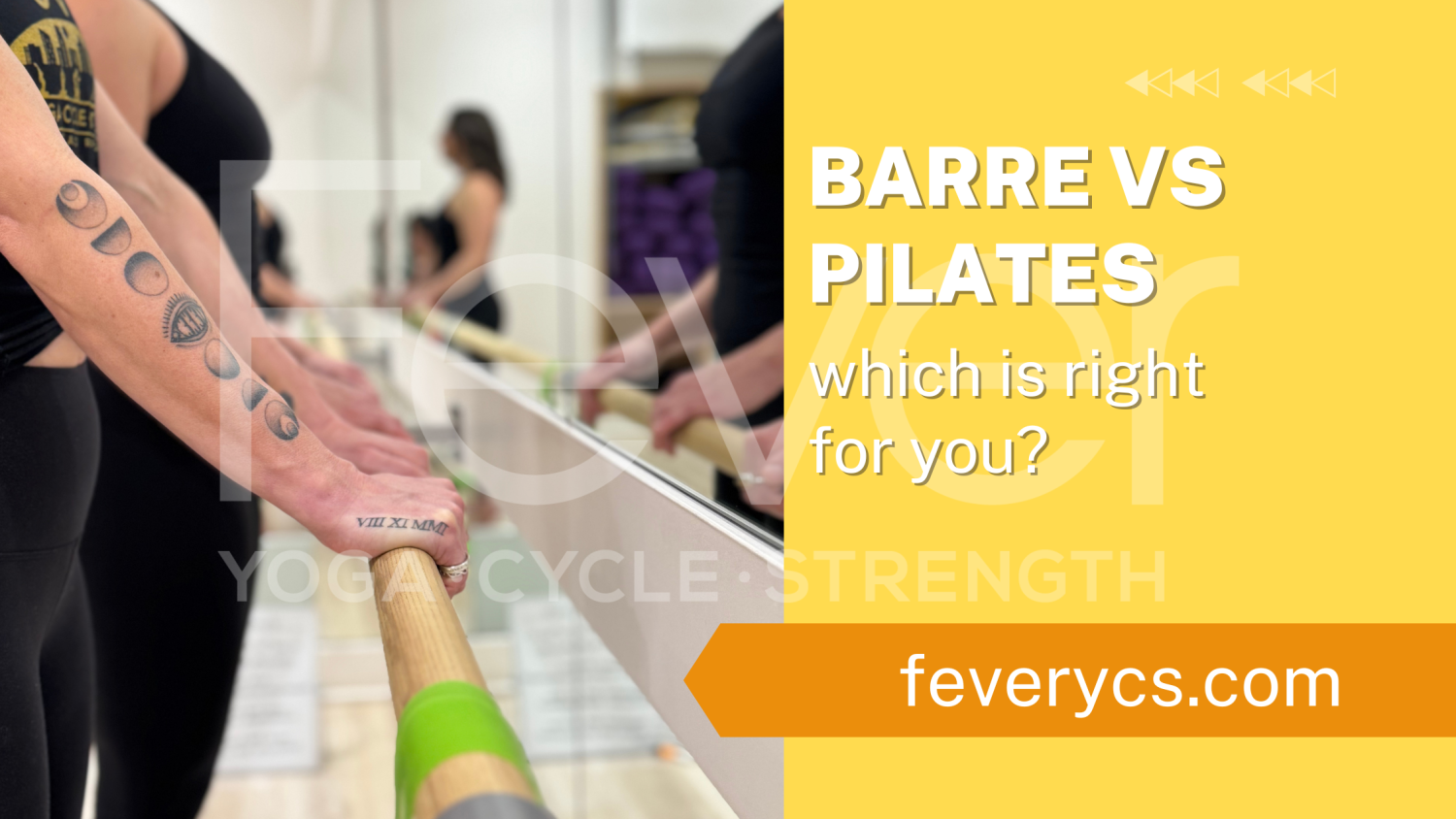
barre versus pilates

Barre vs. Pilates: Which Is Right for You?

At first glance, barre and Pilates might look similar—both use small, controlled movements, focus on core strength, and are often practiced in studios with mats, light props, and playlists that cue mindful movement. But while they share some DNA, they offer very different experiences. If you’re wondering which one is right for you, the answer depends on your goals, your body, and the kind of experience you want from your workout.

Barre is rooted in ballet, blending strength, balance, and flexibility with an athletic flow. Barre classes typically involve isometric holds, pulses, and compound movements that fatigue the muscles quickly—especially in the legs, glutes, and arms. It’s known for its high-rep, low-impact format that leaves your muscles shaking in the best way. Barre often incorporates light weights, balls, bands, and bodyweight resistance to tone and sculpt, making it ideal for people looking to build strength and stability without heavy lifting or high-impact cardio. If you’re new to barre visit our beginners guide to your first barre class.

Pilates, on the other hand, focuses deeply on core strength, spinal alignment, and breath control. Mat Pilates uses precise, controlled movements to strengthen the deep core muscles and support postural awareness. Reformer Pilates introduces spring resistance and guided tracks to amplify that work. Pilates tends to have a more clinical feel—it’s often used in rehab and physical therapy settings—whereas barre classes tend to lean more rhythmic and performance-based, with a stronger influence from dance and music.

So, which one should you choose? If your goals are sculpting, endurance, posture improvement, and a sweat that feels fun and musical, barre might be your perfect match. If you’re seeking core rehabilitation, back pain relief, or low-impact strength training with a methodical, breath-led pace, Pilates might be the better fit. Of course, many people love doing both—there’s no need to choose one forever.

One of the biggest differences between the two is the energy in the room. Barre classes tend to have more of a group fitness vibe—think energy, music, community—while Pilates often has a quieter, more focused energy. Neither is better than the other—it just depends on what lights you up.

If you’re curious about barre, you can check out our barre class breakdown and join a session that meets you where you’re at. And if Pilates is calling your name, it’s worth trying a few styles (mat, reformer, classical) to find the right fit for your body.

The beginners guide to barre

The Beginners Guide to Barre Classes

Barre is an accessible and beginner-friendly form of exercise for everyone, regardless of skill or fitness level. In this blog, we’ll walk through how barre was created, basic barre movements and terms, equipment used in barre classes, the unique benefits of barre classes, and explain everything you need to know before taking your first barre class.

What is Barre?

Barre was created in the 1950s by Lotte Berk, a ballerina who, after sustaining a back injury, began combining her traditional ballet routines with rehabilitative therapy exercises. Since then, barre has developed into a popular form of full-body exercise that combines movements and positions borrowed from ballet with low-impact, repetitive strength exercises.

Understanding Basic Barre Movements & Terms

Because barre borrows movements from ballet, several terms and movements may be unfamiliar to beginners. However, no prior dance experience or knowledge is required to participate in barre—you’ll get the hang of it in no time. To get you started, here are some common barre movements and terms to know:

Common Barre Positions:

  •  First Position: Standing on the floor with your heels touching and your toes apart, forming a narrow V shape.
  •  Second Position: Standing on the floor with your feet slightly wider than shoulder distance and your toes slightly pointing on an outward diagonal (also sometimes called “wide second”).
  •  Parallel: Standing on the floor with your feet straight and facing forward (like the number 11), either together or hip-width apart.
  • Neutral Spine: A relaxed position where your back is perfectly in line from the tailbone to the spine to the neck and head, not straining in either direction.

    Common Barre Movements:

  • Pulse: A small, controlled muscle movement typically done to the beat of music. Pulses involve a small range of motion, often indicated by the phrase “up an inch, down an inch.”
  • Relevé: Taken from ballet, this instruction simply means to lift your heel(s) off the ground.
  • Point/Flex: A point means to extend your toes pointing away from your body, lengthening your leg muscles outward. The opposite of a point, a flex means to pull your toes upward toward your body, stretching your calves and hamstrings.
  • Plié: Also from ballet, a plié indicates bending the knees then straightening them again, typically with hips and feet turned outward and the heels pressed together.

Gear and Equipment Used in Barre Classes

There are two pieces of equipment unique to barre classes: a ballet-style barre often used for support during exercises and a stall barre, which is a tall piece of exercise equipment with rungs of various heights often used for stretching and corrective exercises.

While many barre movements require only your body weight, barre instructors may incorporate light hand or ankle weights, resistance bands, exercise ballers, or sliders to further challenge and tone your muscles.

Different Styles of Barre

Not all barre classes are created equal. Franchise studios follow scripted formats—predictable sequences repeated for weeks at a time. Boutique fitness studios offer more variety and personality, with teachers who shape class based on their style, personality and expertise. And then there’s hot barre classes, where you get the sculpting benefits of barre with added infrared heat for deeper muscle activation and a detoxifying sweat.

The Benefits of Barre

Barre is often praised for its ability to help isolate and tone lean muscle throughout all parts of the body, including your core, glutes, arms, and thighs/legs. The use of repeated slow, small movements allows you to work these muscles in a more focused way than traditional strength training exercises and target deeper muscles that high-intensity workouts might miss.

In addition to gaining strength and toning muscles, barre exercises help to increase flexibility, build a stronger core, and improve posture and balance. This increased mobility and range of motion are not only helpful for your workouts, but for the quality of your everyday life. The low-impact movements of barre are also easier on your joints than high-impact strength training, which means quicker recovery times and a lessened chance of injury.

Like all forms of exercise, barre is beneficial for overall physical health and longevity. And because of the emphasis on the mind-body connection, barre is also known for increasing mental clarity and reducing stress through the release of endorphins.

What to Expect from Your First Barre Class

What to Wear: Women should wear a supportive sports bra with an exercise tank top or fitted shirt. We like the bra built into our tanks for barre class. We listed our favorite barre tank that we have in every color below! For bottoms, fitted capris, leggings, or exercise pants are all appropriate, but wearing shorts is discouraged.

Most barre classes require grip/sticky socks, as no shoes are worn during the class. Barre sox ensures unparalleled stability during your barre workout, offering a secure grip that outperforms other options.

What to Bring: All of the equipment needed for your class will be provided, except barre socks and hydration.

What to Expect: While classes vary in style and length, all barre classes will focus on a variety of mobility, range of motion, and strength/toning exercises. In most classes, these exercises will be timed to the beat of music.

Barre classes often rotate through sections focusing on arms, core/abs, and lower body, repeating small isometric movements until all muscle groups are fatigued and end with a cooldown/stretching period.

Modern barre studios in Grand Rapids may offer fusion classes that combine barre with another form of exercise such as cardio barre, HIIT barre, or pilates and barre. If it’s your first time taking a barre class in Grand Rapids, consider arriving a few minutes early to get familiar with the equipment and to ask any questions about the class format to the instructor. Your barre instructor is an expert there to help you succeed and get the most out of your class.

Ready to hit the barre in GR? Schedule a barre class at Fever | Yoga Cycle Strength today.

Disclosure: As an amazon associate we earn from qualifying purchases.

page3image32273616 page3image32273824

Barre Class: Terms to know before you hit the barre

Barre Class: Terms to Know Before You Hit the Barre

Barre is an increasingly popular form of full-body exercise, combining movements and positions borrowed from ballet with low-impact, repetitive strength exercises. Although somewhat similar to other toning workouts like mat pilates, there are many pieces of equipment, positions, and movements that are unique to barre.

To help prepare you before you hit the barre, here are some common terms to know:
Barre Equipment Terms: Ballet Barre: In barre classes, a ballet-style barre is often used for support during exercises (hence the name!).

Stall Barre: A stall barre is a tall piece of exercise equipment with rungs of various heights, like a ladder. The stall barre is often used for stretching and corrective exercises. Typically, people hold the very top rung and allow their bodies to hang and lengthen.

Different Styles of Barre

Not all barre classes are the same. Franchise studios follow preset, scripted formats—predictable sequences repeated week after week. Independently owned studios offer more variety and personality, with teachers who shape class based on their style and expertise. And then there’s the growing hot barre classes, where you get the sculpting benefits of barre with added heat for deeper muscle activation and an energizing sweat.

Barre Positions to Know:

● First Position: In first position, you are standing on the floor with your heels touching and your toes apart, forming a narrow V shape.
● Second Position: In second position (also sometimes called “wide second”), you are standing on the floor with your feet slightly wider than shoulder distance and your toes slightly pointed on an outward diagonal.
● Parallel: In parallel position, you are standing on the floor with your feet straight and facing forward (like the number 11), either together or hip-width apart.
● Neutral Spine: A neutral spine is a relaxed position where your back is perfectly in line from the tailbone to the spine to the neck and head, not straining in either direction.
Barre Movement Terms:

● Pulse: A pulse is a small, controlled muscle movement. Typically done to the beat of music, pulses involve a small range of motion, often indicated by the phrase “up an inch, down an inch.”

●Relevé: Taken from ballet, this instruction simply means to lift your heel(s) off the ground.
Point/Flex: A point is when you extend your toes pointing away from your body, lengthening your leg muscles. The opposite of a point, a flex is when you pull your toes upward toward your body, stretching your calves and hamstrings.
●Plié: Also taken from ballet, a plié means to bend the knees and straighten them again, typically with hips and feet turned outward and the heels pressed together. Tuck: A tuck is a movement involving your pelvic muscles, done by dropping your tailbone down and then pulling your abdominal muscles up toward your spine. This move is often performed lying down, pushing the hips forward rhythmically to a beat.
●Seat Work: In barre, seat work refers to exercises and movements focused on your hamstrings/upper thighs and glutes—the area that touches a seat.
If it’s familiar with the equipment and to ask any questions to the instructor beforehand. If you still feel confused or unsure of how to use the equipment or how to perform certain exercises, your barre instructor is an expert there to help you succeed and get the most out of all barre has to offer!

Ready to get started? Schedule your first barre class at Fever | Yoga Cycle Strength today!

what to expect from your first barre class

What to Expect from Your First Barre Class

Are you considering trying out your very first barre class? Barre is a great exercise option for beginners and fitness pros alike! Barre classes combine movements and positions borrowed from ballet with low-impact, repetitive strength exercises, designed to tone and strengthen muscles—but no prior dance experience is required.

Before you head into your first barre class, here’s what you can expect:

What to Wear (and Bring) to Your First Barre Class

You may be wondering what type of athletic wear is best suited for barre class (no, tutus and ballet shoes are not required!). We suggest that women wear a supportive sports bra with an exercise tank top or fitted shirt. For bottoms, fitted capris, leggings, or exercise pants are all appropriate, but wearing shorts is discouraged.

Some barre classes may require grip/sticky socks, as (typically) no shoes are worn during the class. Grip socks are available for purchase at the studio or can be purchased online beforehand. Honestly, you can go barefoot and be just as productive + safe. All of the other equipment needed for the class will be provided for you, so you simply need to bring yourself, maybe socks, and some water to stay hydrated!

What to Expect from Your First Barre Class

While classes vary in style and length, all barre classes focus on strength training, mobility, and range of motion Barre classes often rotate through sections focusing on arms, core/abs, and lower body, repeating small isometric movements until muscles are fatigued (prepare to be shaking!) At most classes, these exercises will be timed to the beat of music.
Alongside the use of bodyweight and the ballet barre, many barre classes also incorporate resistance bands, sliders, hand or ankle weights, or exercise balls to further challenge and fatigue muscles. Modern barre studios may offer “fusion” classes, such as cardio barre, HIIT and barre, pilates and barre, and more. It would be helpful to arrive a few minutes early to your first class to ask your instructor any questions about the class format and to become familiar with the equipment you’ll be using.

Because barre borrows exercises and positions from ballet, there may be terms to know for your first barre class and movements you are unfamiliar with. Don’t worry—your instructor is there to help you through it!

What to Do After Your First Barre Class

Once your first class is over, congratulate yourself: You did it! Enjoy those post-workout endorphins. Although classes typically include a cooldown and stretching period at the end, don’t forget to give your sore muscles some extra TLC after class. Hydration, stretching, and rest are the keys to ensuring proper muscle recovery after exercise.

Because barre is low-impact, recovery is often quicker than more high-intensity workouts. That means after a day or so, it’s time to schedule your next barre class!

What is Barre?

What is Barre?

Today we’ll explore the basics of what barre is, the equipment it uses, and discover the unique benefits of this form of exercise.

Barre was created by ballerina Lotte Berk in 1959. After a back injury, Berk began combining her normal ballet routines with her rehabilitative therapy exercises and formed what we know today as barre. So what is barre, exactly? And how different is it from ballet and other forms of exercise?

Basics of Barre

Barre is a form of full-body exercise that combines movements and positions borrowed from ballet with low-impact, repetitive strength exercises, designed to isolate and strengthen muscles. Barre classes often rotate through sections focusing on arms, core/abs, and lower body, repeating small isometric movements targeting one muscle area until muscles are fatigued (yes, you’ll be shaking!) While these movements are the basis of barre exercise, modern barre may include “fusion” classes, incorporating barre movements alongside cardio, HIIT, pilates, and more.

Equipment Used in Barre

Although barre gets its name from the use of the ballet barre, that isn’t the only piece of equipment used in barre exercise. Many barre classes also incorporate resistance bands, sliders, hand or ankle weights, or exercise balls. Body weight movements are often included and, when used, weights are kept light due to the repetitive nature of the exercises. Participants may exercise in bare feet or in socks (socks with special grips may be preferred).

Benefits of Barre

Barre is often praised for its ability to help isolate and tone lean muscle throughout all parts of the body. The slow, repetitive movements used allow you to work muscles in a more focused way than traditional strength training exercises (think squats, push ups, or mountain climbers). The low-impact movements of barre are also significantly easier on your joints than high-impact strength training. In addition to building strength, participants can expect to see increased flexibility and a stronger core. Another benefit? Improved posture and balance. And, like all forms of exercise, barre is beneficial in improving overall health, reducing stress, and increasing mental clarity.

You definitely don’t need a dance background to experience the benefits and fun that barre classes have to offer, so don’t let that intimidate you! In fact, no prior experience or knowledge is required to participate in barre. Whether you’re a total beginner or a former ballerina, barre is a fantastic option for ​anyone​looking to build strength, tone muscle, and increase their mind-body connection.

Schedule your first barre class with Fever YCS today!