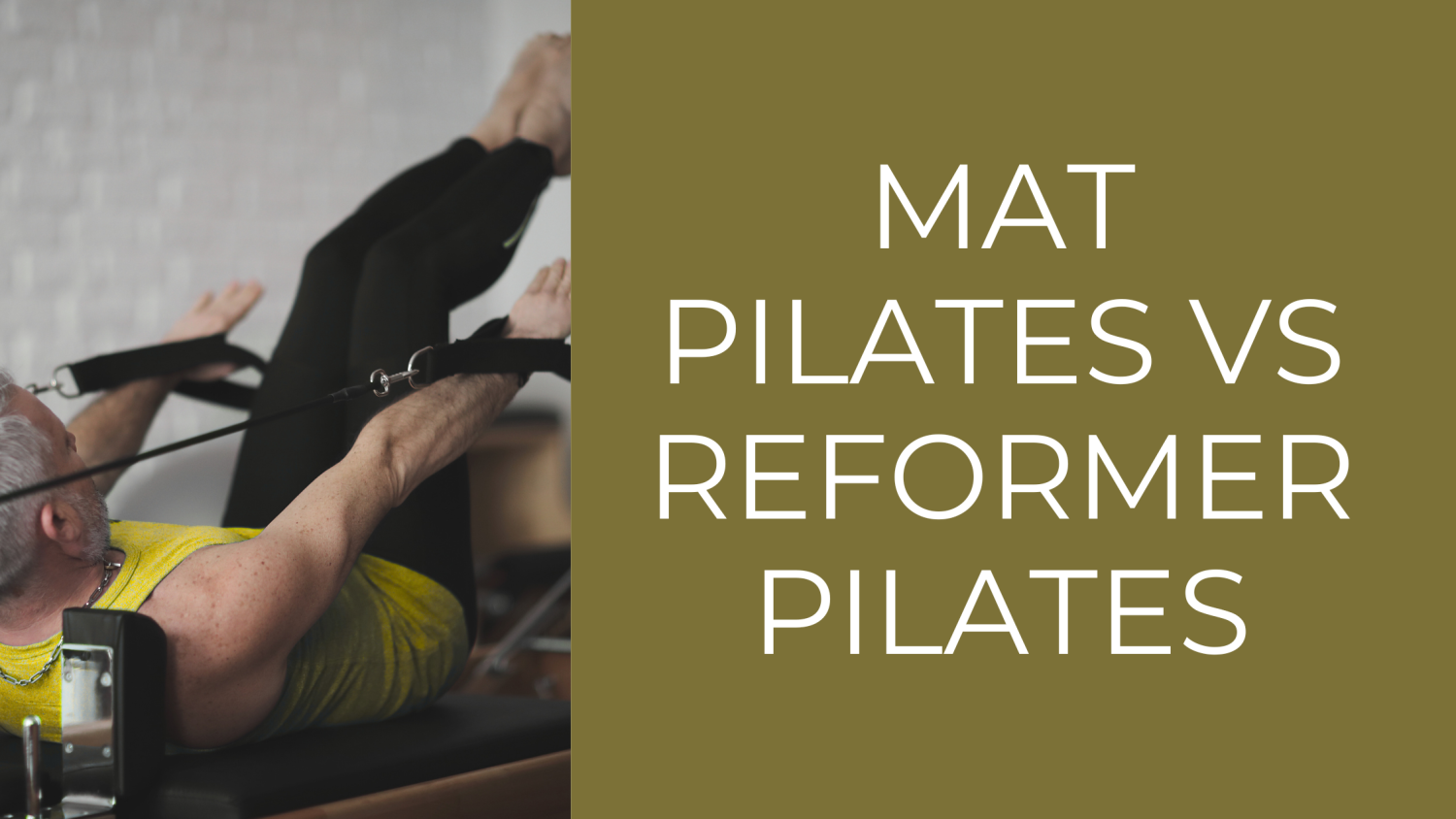
Mat Pilates vs Reformer Pilates: What’s the Difference?
Pilates is often spoken about as one single practice, but there are two distinct approaches that shape the way people experience it: mat Pilates and reformer Pilates. Both are rooted in controlled movement, breath awareness, and deep core engagement, yet the way your body is challenged in each style is remarkably different. Understanding those differences can help you choose the practice that supports your goals instead of simply following trends.
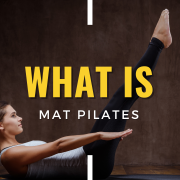
What Is Mat Pilates?
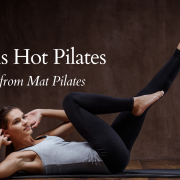
Mat Pilates is performed entirely on the floor using your body weight as resistance. Without the assistance of springs or straps, your muscles are required to stabilize every movement on their own. This develops not just visible strength, but the deep stabilizing muscles that support posture, joint health, and long-term mobility. Over time, mat Pilates trains your nervous system to move with precision instead of momentum, which is why it often feels deceptively simple while being profoundly effective.
What Is Reformer Pilates?
Reformer Pilates uses a machine equipped with springs, a sliding carriage, straps, and pulleys to add external resistance to each movement. This creates a different sensory experience, where the equipment guides the range of motion and adds load to the muscles. Many people enjoy the feedback and variety the reformer provides, especially when working through injuries or building strength in very specific patterns.
Why Mat Pilates Builds Stronger Foundations
Because mat Pilates does not rely on large equipment, it teaches your body to generate stability from within. Every movement demands coordination between your breath, your core, and your limbs. This is what makes mat work such a powerful foundation for yoga, barre, and strength training. When you remove external support, your body has no choice but to develop integrity in the way it moves.
How the Two Styles Feel in the Body
Mat Pilates builds strength differently and tends to feel grounding, internally focused, and quietly challenging. You often finish feeling more connected to your posture, your breath, and your alignment. Reformer Pilates can feel more dynamic and muscular, with sensations that resemble resistance training. Both leave you stronger, but they do so through very different pathways.
Choosing the Right Practice for You
The best Pilates practice is not the one that looks the most impressive but the one that meets your body where it is today. Mat Pilates is ideal for anyone seeking long-term strength, improved mobility, and a deeper understanding of how their body moves. Reformer Pilates can be an excellent complement, especially for those who enjoy equipment-based training or are working through physical limitations. When you understand the role each style plays, Pilates becomes more than a workout — it becomes a system for building resilience from the inside out.