Yoga is the foundation of our studio — a practice that builds strength, mobility, focus, and inner calm. This category brings together all of our yoga resources, from beginner guidance to breathwork, stretching, philosophy, and everyday application. Whether you’re exploring yoga for the first time or deepening an existing practice, these articles help you connect mind, body, and breath both on and off the mat.

mastering chatarunga

Mastering Chaturanga

Ever heard your yoga teacher call out “chaturanga” and wonder if you’re doing it correctly? We feel you. Chaturanga Dandasana – or four-limbed staff pose – is the one yoga pose yogis love to hate. Most of us do it incorrectly or half-heartedly for years before finding the light.

Because this is such a physically and emotionally challenging pose, there’s a tendency to rush through it to get it over with. But a lack of attention is perhaps the biggest problem. While chaturanga can be a great way to tone your arms and core, your alignment needs to be spot on. Otherwise, you’ll risk shoulder or back injury.

The Benefits of Chaturanga:

Why do we put ourselves through this tough pose? There are several reasons why yoga instructors sprinkle chaturanga dandasana throughout their classes. Here are some of my favorite reasons for using chaturanga to transition between your yoga sequences.

  1. It makes your wrists stronger and more flexible.
  2. It builds muscles in your back, shoulders, and arms.
  3. It tones and stretches your core muscles.
  4. Add all of this together and it’s a great preparatory pose for arm balances and inversions

The upper-body and lower-belly strength you acquire by practicing chaturanga translates wonderfully into the power and core consciousness you need for arm balances like crow pose and side plank.

Where Most of Us Go Wrong:

It’s challenging to know when you are doing your chaturanga correctly. And since it’s a pose of repetition, it can lead to injury when performed incorrectly over and over again. Here are a couple ways even the best of us mess up our chaturangas sometimes.

  • Our hands are too close to our shoulders, causing our elbows to bend further than 90 degrees.
  • Our bodies either collapse to the ground with a saggy back or we stick our butt out toward the ceiling putting too much pressure on our shoulders.
  • Our elbows fall outward instead of hugging our core.
  • We lazily move through chaturanga, barely bending at the elbow before quickly rushing into upward dog.

How to Make Chaturanga More Accessible:

One option is to practice the pose with your knees on the floor – there’s no shame in this. It will help you build strength to lower down in one line. Closely monitor your elbow alignment. Next, recognize how deep you go as you lower yourself toward the floor, catching yourself before you begin to sag. Finally, share the strength of the pose between your upper and lower body so that your legs can ease the burden.

Ask for Help

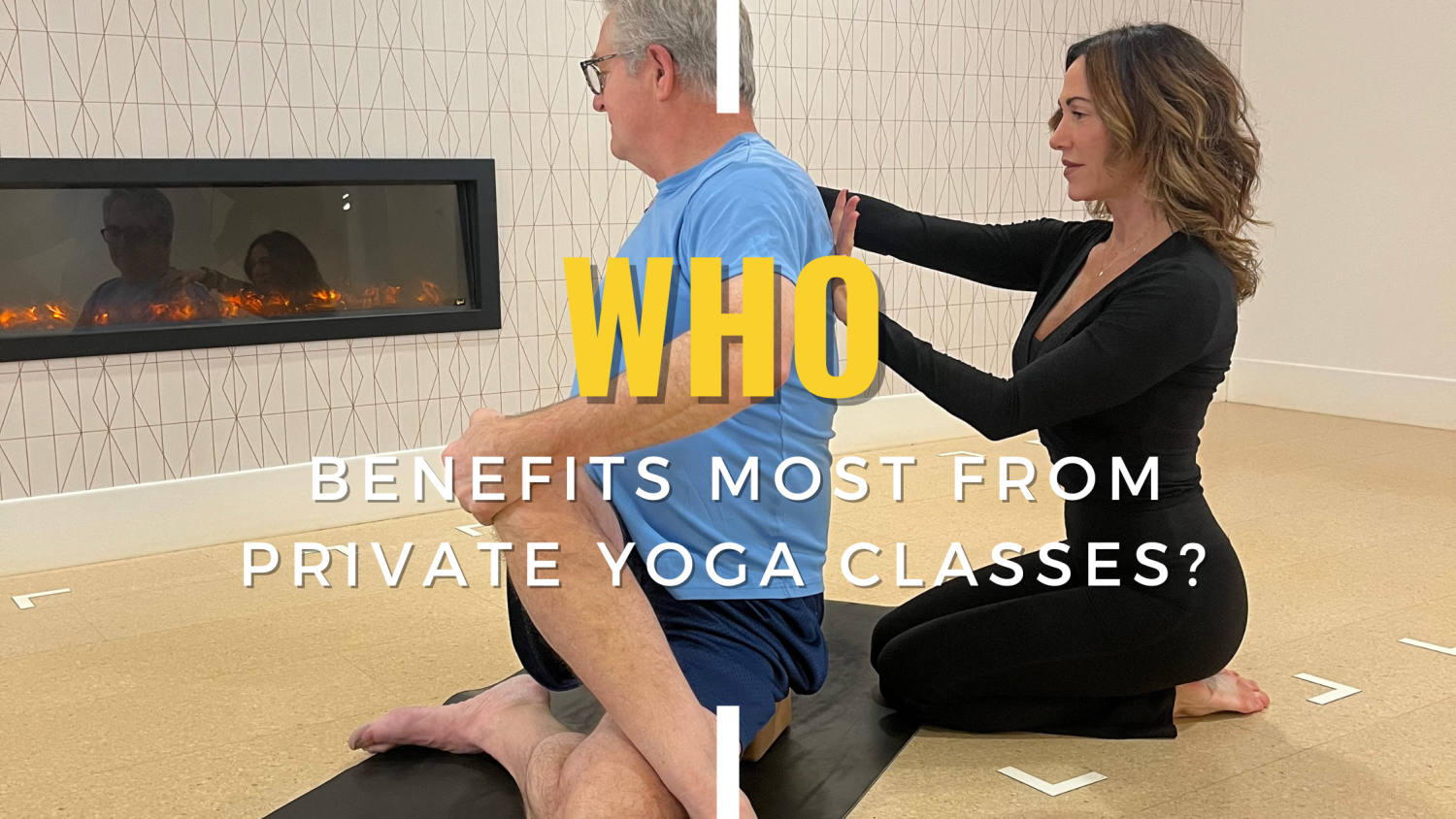
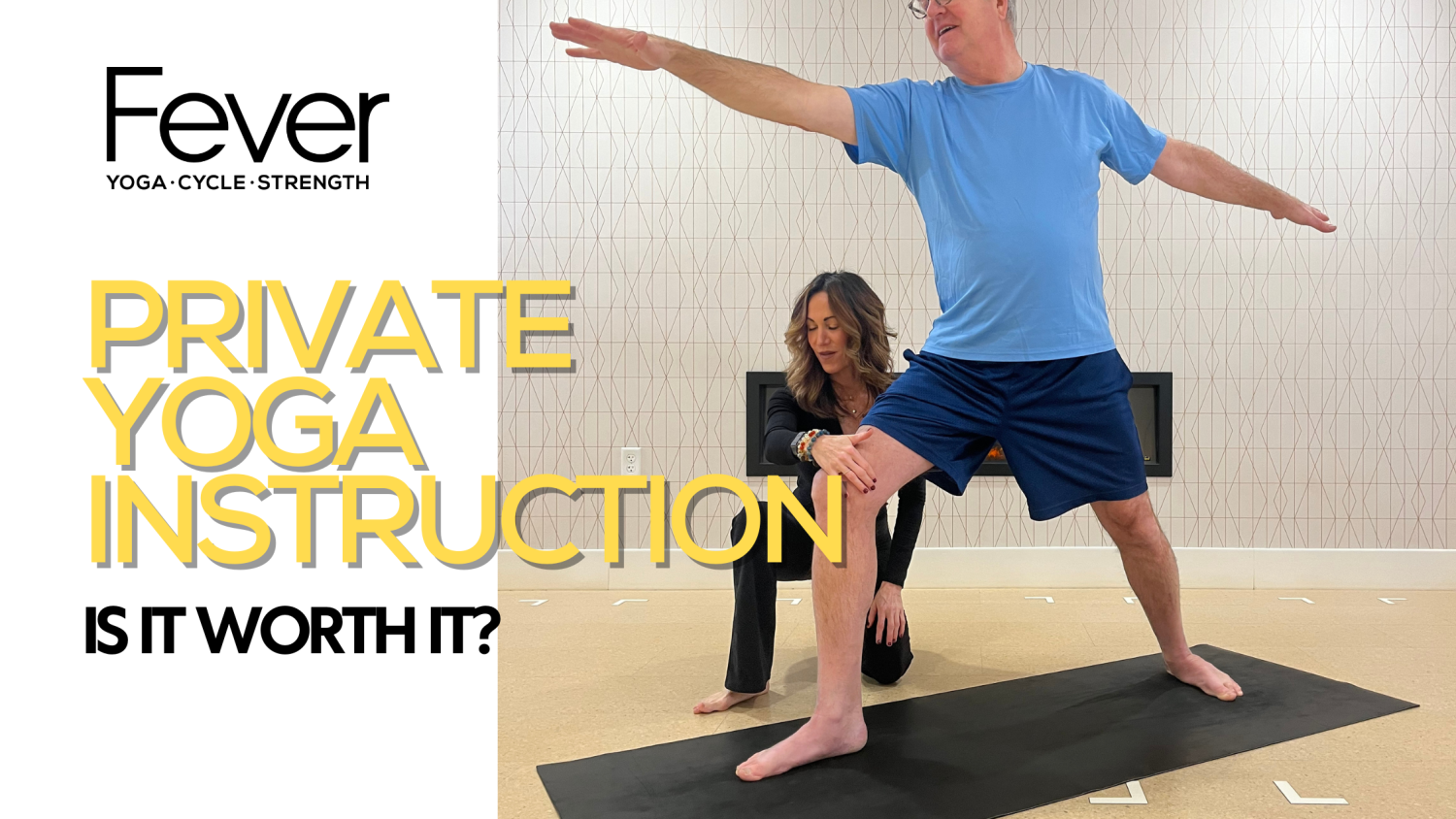
If you’re seeking to build your yoga practice and gain safety and alignment within your body, schedule a private yoga class. You’d be surprised how just 1 session can move the needle to a stronger more accurate awareness of your body during every class moving forward.

what is Buti yoga anyway?

What is Buti Yoga Anyway?

Do you ever have a sudden urge to throw on your favorite song and dance around the room? Are you tired of putting yourself through grueling workout sessions just to lose weight? Are you ready to experiment with a fierce new combination of yoga, strength, and cardio?

If this sounds like you, wait until you learn about BUTI yoga. It will rock your world!

WHAT IS BUTI YOGA?

BUTI yoga is a unique practice, known for it’s cardio-intensive bursts of tribal dance, primal movement, and conditioning. Created by celebrity trainer Bizzie Gold, it’s designed to offer a calorie-scorching, body-sculpting, and dynamic yoga practice.

I’m not going to lie. When I first heard about BUTI yoga, I was intimidated. It sounds intense, right? But once I learned more, and watched a few videos, I discovered I was really intrigued to try this soulful and playful form of exercise.

The word ‘buti’ is a Marathi Indian term for “the cure to something that’s been hidden away or kept secret.” The movement involved in a BUTI class is designed to help everyone develop body confidence. It will help you fall in love with your workout, break through emotional and physical barriers, and transform your body.

WHAT ARE THE PHYSICAL BENEFITS OF BUTI?

As I mentioned, BUTI yoga is a physically-demanding sweat session. Yet, it’s approachable for all-levels. Just as in our regular yoga classes, you’ll begin where you are and grow at your own pace.

In a BUTI class, you can expect explosive movements, a quick pace, killer ab sequences, and lots of upbeat music – there’s nothing dainty about this practice! However, it will allow you to kick all that repetitive weight lifting, sit-ups, and elliptical work to the curb. The infectious group energy, filled with hoots, hollers, and lots of movement, will carry you through the experience.

HOW IS BUTI UNIQUE?

In Bizzie Gold’s creation, the signature strengthening approach is called Spiral Structure Technique (SST). The major movements you’ll do in BUTI are designed to activate all of the abdominal muscle groups. While most crunches and ab exercises only target the front part of the core, the reality is our abdomen is cylindrical. This method will build lean, strong muscles.

WHAT ABOUT THE EMOTIONAL BENEFITS OF BUTI?

The movement involved in BUTI yoga focuses on removing obstacles to our first and second chakras. The power that originates in these chakras often gets muted, resulting in tight hips and closed minds. BUTI yoga follows the lead of many cultures – such as Native American and African tribes, that have dance rituals using hip and pelvic spiraling. So in BUTI, you’ll sweat with intention, seeking both physical and emotional benefits.

GOT ANY TIPS FOR ME?

Wear clothes that you would wear for a hot yoga class and prepare to sweat – A LOT (no heat is even necessary!!). Drink water before, during, and after the process. Obey your body when it needs a break; it’s always okay to take a different movement or pose, or to simply rest. Share energy, strength, and a few giggles with your tribe (aka, your classmates).

Most importantly, you’re gonna have to leave your judgment at the door. Yes, you’ll be doing some movements you’ve never done before. And yes, it’s going to feel weird and scary at first. But if you can commit to celebrating yourself exactly as you are in this moment, you’ll find a community of fellow warriors willing to lift you up.

At some point, you’ll stop wondering what everyone thinks of your gyrations and simply enjoy the freedom to move in new ways. Though you may not instantly love everything about your body, I have a feeling you’ll feel much more at ease with yourself.

Yoga Nidra Meditation

Yoga Nidra: A Powerful Meditation Technique

Yoga Nidra, commonly known as yogic sleep, is an immensely powerful meditation technique that is easy to develop and maintain.

While you rest comfortably in savasana, your instructor will vocally and systematically guide you through the practice. You’ll start at one end of your body and work all the way to the other. Yoga Nidra instructors speak rhythmically: “Right big toe, right little toe, top of the foot, the heel of the foot, calf muscle…”

By bringing your attention repeatedly to these sensations in your body, you become habituated and can even forget the sensation altogether. This forgetting of the space around you lets you draw your attention inward.

Benefits

Anyone can do Yoga Nidra: While not everyone can participate in intense vinyasa flows, everyone – from children to seniors – can practice Yoga Nidra. All you need to do is lie down on the floor, though it can be done seated if necessary.

You cannot incorrectly practice Yoga Nidra: All you have to do is follow the voice – whether instructor or recording – as it guides you. You’ll experience something new each time, which is great! And falling asleep is even okay, as you’ll still receive the benefits from your unconscious mind.

It’s a simple way to reduce stress: As you can imagine, feeling well-rested is life-changing, but Yoga Nidra also improves symptoms of anxiety and depression for many practitioners.

Yoga Nidra is easy to incorporate into your life: Since it’s always guided, you will experience less frustration compared to trying to clear your mind all on your own. Also, this practice can be as short as five minutes or as long as an hour.

It helps you learn about yourself more intimately: Yoga Nidra offers a space to explore whatever you need and come face-to-face with long-held emotions.

Yoga Nidra Meditation sessions can be scheduled in advance with a Senior Teacher who understands how to drop the body into the focused, trance state. A private yoga session to accomplish this is ideal so it is intricately designed for you and your life goals.

Structure

Start by setting an intention for your practice – whether your goal is to relax and rest or to dig into a particular emotion or sensation.

As you wait for your instructor to begin leading you, take a few moments to scan your body. Move your awareness from top to bottom, preparing for the guided meditation to follow.

Throughout the practice, be aware of your breath. Simply observe the natural flow of oxygen and the rise and fall of your abdomen. Notice the flowing energy that your breath stimulates throughout your body.

Welcome your feelings and thoughts without trying to change any sensations or emotions that are present. As you sense each one, try to welcome its opposite within your body. For example, if you feel worried, call up feelings of serenity. Experience sensations of joy or bliss that spread throughout your body.

As you transition back into your waking life, pause to take a moment of reflection and gratitude for the time you’ve taken to benefit yourself.

How to choose the right mat for hot yoga

How to Choose the Right Mat for Hot Yoga 

Yoga mats are a game changer when it comes to a sticky, sweaty hot yoga practice. Recently, I was far from my yoga home and decided to test out another hot studio. However, I did not have my favorite mat with me as I was out of town. I figured no big deal, I’ll just rent one. The studio in and of itself was fabulous. It hit most of the checks on my “list” as to what makes a great hot space.

  1. Beautiful and clean studio and lounge
  2. Adequate space to flow and breathe
  3. A yoga teacher who was clear, creative, and enthusiastic
  4. Knowledge of alignment and body mechanics
  5. The heat was seriously on point

But one major thing missed the mark: their rental yoga mats did NOT provide appropriate grip and safety. This completely changed my hot yoga practice from stellar to super disappointing.

I suppose I’ve been blessed to practice on great mats in my hot yoga practice, which has led me to take for granted the superior traction that’s necessary to have an out of body hot yoga experience. So when I tried practicing on a lesser quality mat, I was unbelievably distracted by the possibility of my downward dog being split in two from my slippery hands and feet! Let’s just say: that hot yoga experience was not my usual “you’re Wonder Woman” experience.

If you’re going to practice hot yoga, and feel like a superhero the entire time, invest in a yoga mat and/or towel that is intentionally designed to manage intense heat and sweat. Otherwise, you’re only cheating yourself because your practice will be so distracted from holding on for dear life, that you won’t be enjoying the practice (which is clearly the point).

A couple tips: Just because it has a famous brand name, doesn’t mean it’s the best for hot yoga. And resist the urge to buy a yoga mat from your local pharmacy, home goods store, or supermarket.

So, what should you look for in a hot yoga mat? 

Consider the Thickness– The weight of your yoga mat has a lot to do with how comfortable it will be. Too thin and your knee may experience pain during low lunge; too thick, you may feel a weakened connection to the floor – making you more wobbly in balancing poses.

Standard yoga mats are about ⅛ inch thick, which is a great option for hot yoga. If you know you have sensitive knees, go thicker so your yoga experience isn’t uncomfortable. If you’re always on the go, try a wafer-thin mat that you can fold up and fit in a suitcase.

Go for the Grip– There’s nothing worse than slipping and sliding around on your yoga mat during an intense, hot class. This is the exact opposite of what the practice is supposed to be doing for you. We want to take ourselves out of the world of frustration and become one with the experience at hand, not over effort to stay in place. When you shop for your perfect mat, be sure to check the material. You’re looking for a closed cell mat or one that wick away the sweat versus absorb it like a sponge.  Make sure the mat description says it is used for ‘hot yoga’ and if it doesn’t do the trick (after the break in period), return it or send it back.

Don’t Skimp on the Cost– Though I’m all about saving money when possible, a high quality yoga mat is worth the splurge – especially when you’re committing to a consistent hot yoga practice. If you choose the cheapest option, it will not hold your dog and will quickly become a slip and slide. Keep the inexpensive mats for the traditional yoga room or your at home practice, not the hot space. In the hot space, it will absolutely deem useless as the minute you sweat, all grip is lost.

Choose Support- At the end of the day, your yoga mat is your safety net and your right hand man. You carry it everywhere, it rides shotgun in your car, and you shed a lot of negative energy on it. It will always catch you when you fall (unless you bought it at Target). Choose one wisely, one that supports you 100% through every down dog and every life changing experience. We highly recommend shopping local within your community, like your local Fitness Shala, Fever Yoga Cycle Strength in Grand Rapids, Michigan.

See you on the mat!

When is the best time to practice yoga?

When is the best time to practice yoga?

Should you practice yoga in the morning or evening? Great question.

As usual, the answer is more complex than you’d think and really comes down to your personal preference. From an Ayurvedic standpoint, it is recommended you wake up in between 4 and 6AM when the world is still asleep, and practice meditation and asana. From a modern world perspective, it’s recommended that you practice yoga either first thing in the morning or in the early evening.

However, many factors are involved in each of our decisions on when to practice or even what style to practice and why. Your work schedule, habits, belief system, and familial responsibilities may make the decision for you. While some gravitate toward a more traditional practice to calm the mind and ease the body, others seek out a more intense style of dynamic practice like hot yoga classes. Both are great options depending on what you’re seeking from the mat.

For example, if your morning involves getting rambunctious kids dressed, fed, and on the bus, a morning practice may be unrealistic. The same is true if you’re committed to evening functions throughout the week.

Your personal constitution may also factor into the decision. Some people are raring to move at 6 AM, while others won’t even speak until they’ve had a few cups of coffee. And even if you do have a quiet morning, it may not be the right time for you if you have seasoned habits you practice in the hour before heading to work. Or if you find yourself yawning by 8 PM, you might want to try practicing earlier in the day.

Read on to explore the many benefits to both morning and evening yoga practice.

Benefits of morning yoga practice

Morning yoga practice helps you clear your mind and set an intention for your day.

Energizing poses, like backbends and sun salutations, wake up your tight body and work out the kinks after a night’s rest.

The morning is usually the coolest part of the day.

Twists and arm balances are easier to perform when you’re not competing with digestion from various meals during the day.

Practicing yoga in the morning avoids any last-minute conflicts that may derail your intentions to step on your mat.

Benefits of evening yoga practice

Evening yoga practice, on the other hand, can prepare your mind and body for sleep.

Incorporate twists and forward folds to help you wind down from a busy day.

Most people have more free time in the evening, helping you feel less rushed in your practice.

Practicing in the evening soothes tension, aches, and pains, providing a deeper, more replenishing sleep.

It can also help you break bad habits like snacking or binge-watching TV.

As you can see, there are benefits to either practice time. If you’re not quite sure what’s best for you, experiment.

Diligently try one full week of early morning practices – either at home or with us at the studio for added accountability. Then spend a second week practicing in the evening, exploring what benefits and challenges you find in each style.

After you find the right fit, stick to a similar time whenever possible to maintain that lovely sense of grounding. Try incorporating daily rituals – like meditation, chanting Om, or doing Sun Salutations – to establish further consistency.

Ultimately, take ownership of your yoga practice and design it so it best suits your body and mind!

5 reasons your body and mind want you to practice yoga

5 Signs Your Body and Mind Want You to Practice Yoga

Do you suffer from a tight, rigid body? Do you ever feel like you’ve been breathing shallowly all day? Can you not recall the last time you truly relaxed on a regular, routine day?

If any of these sound familiar, your body and mind are trying to tell you to step onto your yoga mat.

And if the excuse at the tip of your tongue is that you’re too busy, that’s exactly why you should make time for yoga. The practice of yoga connects you to your innermost self – a sacred space where you’re able to move trapped emotions out of your body.

Here are five not-so-silent signs you should get back in the studio.

1. Your body feels extraordinarily tight and rigid.

A tight, inflexible body often comes from sitting too much. If your days are filled with long commutes or motionless hours at a desk, you’ll benefit greatly from the dynamic movements and hip openers found in a yoga class. Check out these tips on how to incorporate yoga into your desk job.

2. You often find that your breathing is short and rapid.

Short breaths are a sign that you may be stressed. The world doesn’t often prepare us with the tools we need to stay centered in stressful situations. If you feel like you’ve been breathing shallowly and unconsciously all day, yoga’s breathing techniques – like Ujjayi – can help. They take us out of our sympathetic nervous system (fight or flight) and move us into our parasympathetic response, which looks a lot more like rest and digest.

3. You feel mentally unbalanced or suffer from a mental illness.

If you’re struggling with anxiety or depression – whether in the short-term or a long-term condition – yoga can be your best friend. By lowering cortisol levels and releasing the tension, yoga calms the mind’s chatter and lowers your blood pressure and heart rate. Read more about how yogic breath eases symptoms of anxiety.

4. You’re not sleeping well.

For those who suffer from insomnia or who simply struggle with a lack of sleep once in a while, yoga provides a better sleep quality for practitioners. Psychology Today demonstrates the truthfulness in this using a study conducted by Harvard Medical School. And here are a couple of poses I recommend weaving into your home practice to help you sleep better.

5. You can’t remember the last time you relaxed on a regular, routine day.

I’m not talking about taking a vacation or going to the spa. When was the last time you made room for relaxing self-care in your regular routine? If this is the case for you, your body and mind are likely begging you to step on the mat, so you can learn to relax your body and clear your chaotic mind.

Whether you’re a regular member or have never stepped onto a yoga mat, chances are your body and mind are not-so-subtly telling you it’s time to practice. Trust me, you’ll see the benefits.

What is Ashtanga Yoga?

What is Ashtanga Yoga?

Ashtanga yoga is a traditional series of postures performed in the same order every time. It’s incredibly structured and, after just one class, you’ll know exactly what to expect. The predictability allows some studios to offer classes where students move through the Ashtanga series without guidance.

The majority of poses you work through in a traditional Vinyasa class are the same ones you’ll find in an Ashtanga class. However, in Vinyasa our teachers have the creative liberty to build unique sequences each time. They can vary their sequences to match the class composition and desire for that day. As students move through a Vinyasa class, they warm up, often work toward a peak pose, then slow down with stretching and an opportunity to recover.

Ashtanga Asana Series

There are five Ashtanga asana series, and students must master each pose of the first series before moving onto the second.

The first one—the Primary Series—begins with ten sun salutations, moves into a series of standing poses, and finishes with a set of inversions and seated poses.

The Intermediate Series focuses on backbend asanas designed to encourage and maintain the suppleness of the spine by focusing on your nervous system.

Finally, there are four Advanced Series that are only reached once a yogi has mastered the primary and intermediate sequences. There are 35 difficult asanas to learn, practice and master with Vinyasa in between, and it can only be mastered completely with the assistance of an experienced teacher.

Benefits of Ashtanga

Ashtanga brings all the benefits of Vinyasa yoga practice, including strength, flexibility, stress management, and inner peace. In traditional practice, Ashtangis are expected to practice about six days per week.

Your entire body will work hard in this practice. Yet, it’s completely open to beginners and there’s no need to research or memorize the sequence ahead of time. Ashtanga instructors guide practitioners through each and every pose, with the eventual goal being that you can move through at their own pace.

It involves syncing your breath with a progressive series of postures, resulting in improved circulation, a light and strong body, and a calm mind.

As with Vinyasa styles, the essence of yoga is that through the practice of postures, breathing, and focal points, you can gain a direct experience of your inner self. While it might sound boring to perform the same postures over and over again in Ashtanga yoga, this repetition is what helps you tap into your inner being.


Stilling the body and mind with restorative yoga

Stilling the body and mind through restorative yoga

Sitting in complete stillness and silence can be one of the hardest things to do. It might sound strange, but it’s actually much easier to run a couple of miles than it is to sit still for minutes at a time – without twitching, readjusting, or letting your mind run rampant.

But that’s exactly what restorative yoga asks of us. You learn to sit with that mental discomfort and find a way to face and move through it.

Restorative yoga is a therapeutic style of yoga that promotes healing of the body and deep relaxation through supportive poses. It uses gravity, combined with a wide array of props (including blankets, straps, pillows, and blocks), to naturally open the body. The more your body is supported in restorative yoga, the deeper the relaxation you’ll experience. And there is little to no movement or effort, allowing your mind to be silent.

Restorative yoga engages the parasympathetic nervous system, which relaxes your body and offers a variety of benefits including:

  • Improved digestion
  • Reduction of muscle tension
  • Increased mindfulness
  • Less chronic pain
  • Lower blood pressure and blood sugar levels
  • And an amazing night’s sleep!

Think this sounds easy? Maybe a little bit like adult nap time?

While you won’t drip with sweat or have to combat your racing heart rate, restorative yoga is not as simple as it sounds. The challenge here is that most of us are very uncomfortable confronting our minds in this way for fear of the emotions and worries that might emerge. That’s why we fill our days with work, school, parenting, tv, and exercise. Anything to keep us busy enough to avoid the vulnerability of sitting with our own thoughts.

Isn’t it about time that you gave yourself a chance to truly center your breath and body?

Meditation: The Art of Focusing your Mind

Meditation: the art of focusing your mind

We spend almost every day in the fast lane of life, facing enormous challenges like juggling finances, family, career, and relationships all at once. Ever feel like you’re running on empty?

Keeping up with such a hectic pace produces high anxiety and stress, which causes us to become disconnected, mechanical, and sometimes numb. We end up living in our heads when we were created to live from our hearts.

One solution to this is to develop or strengthen a regular yoga practice. But today, we’re diving into yoga’s sister: meditation.

Meditation is often referred to as the art of doing nothing. While it certainly is an art—in the sense that you must practice it just like you do your physical asanas—there’s a lot more going on in your body and mind than what this catchy phrase suggests.

I prefer: the art of focusing your mind. And it does take work to quiet your busy mind. But the more you practice and the more you’re able to quiet your thoughts, the more you will experience a sense of true presence – creating the mind-body connection yoga is known for.

Meditation offers a wide range of amazing benefits, including:

  • Stress and anxiety reduction
  • Enhanced self-awareness
  • Lengthened attention span
  • Reduced age-related memory loss
  • Improved sleep

There are two major styles of meditation:

  1. Focused-attention meditation: concentrates attention on a single object, thought, breathing pattern, or mantra.
  2. Open-monitoring meditation: encourages broadened awareness of all aspects of your environment, including thoughts, feelings, or impulses you might normally suppress.

The following 7 meditation styles all fall within one of these two groupings.

Transcendental: In transcendental meditation, you remain seated with your eyes closed and breathe slowly while repeating a mantra (a word or phrase) with the goal of rising above your state of being. If you choose to try this meditation style, practice twice a day for 20 minutes each session. This allows time to settle inward to a profound state of relaxation and rest.

Breath awareness: Have you ever found yourself in your driveway with no recollection of your drive home? Breath awareness meditation ensures that this does not happen while you’re practicing. The goal is to keep your mind fully focused on the present. It builds patience for your everyday life. For example, rather than reflecting on the annoyance of a traffic jam, a skilled practitioner will simply note the delay without judgment.

Zazen sit: Similar to breath awareness meditation, the zazen sit style focuses on sitting in concentration while counting each breath. When zazen is deeply integrated, you should not feel that each part of your body is separate from the others—you should feel a sense of wholeness.

Walking meditation: This style will improve your cardiovascular health, boost your energy, stabilize your mood, and help you embrace the present. Begin by walking at a normal pace, tuning into your natural breath and noticing what it’s like. Then, refine your breath so it’s nasally and free of irregularities. Coordinate your breath so that you’re inhaling for four steps, then exhaling for another four. These should be short puffs of air. Continue for five minutes, then walk and breathe normally for three before repeating.

Guided meditation: For this meditation form, you don’t need any prior experience or knowledge; you’re simply required to listen to an instructor (a real person or via headphones). The goal is to form mental pictures based on situations and experiences you find relaxing. Use as many senses as possible—smell, sound, and texture—to evoke calmness.

Devotional or mantra chant: In this meditation style, you’ll chant a mantra (a sound like “om”) to keep your mind busy while you focus on breathing. This is a powerful and effective method because of the vibratory effects of the sounds that stimulate your body.

Yoga nidra: Also known as progressive relaxation or body scan meditation, the goal is to move through your body noticing areas of tension—then releasing that tension. You’ll start at one end of your body (usually your feet) and work all the way to the other end. You might envision a wave drifting slowly over your body. Because this meditation style slowly and steadily relaxes your body, many people use this to help them fall asleep.

As you can see, there are many different styles of meditation to choose from. I encourage you to give a few of these a try, while keeping a journal or log on your reflections about each type. You can truly practice meditation anywhere – from a quiet corner of your home to a crowded grocery store! So what’s stopping you?

photo courtesy of Shannon Austin

Is Yoga Simply Stretching?

Is Yoga Simply Stretching?

What usually comes with this myth is the implied notion that “that really can’t be much of a workout…” or “why would I pay money to do what I can do on the floor of my living room?” I get it. It can be hard to understand the difference between yoga and the stretching you do before practice or after a run.

Because, often, when you think about stretching, that’s exactly what you think of: hanging over your legs after a bike ride or touching your toes while watching TV. The truth is, there’s a whole lot more that goes into yoga than just lengthening your muscles. Yoga truly is an active process. It helps you practice mindfulness, live in the present, and increase your self-confidence—among many other benefits.

But for those of you asked to defend yoga to uninformed outsiders, it can be tricky to nail down the differences between yoga and stretching.

So, here are a few key differences between stretching and yoga:

  • Stretching is solely focused on flexibility. Yoga is a complete body, soul, and mind practice.
  • Stretching usually feels like something to rush through before getting to the next activity. Yoga brings relief, connection, and a sense of peace
  • Stretching simply lets you feel productive. Congrats, you checked that box. Yoga allows you to feel connected—to your mind, to life, and to others.
  • Stretching lets you stop before you become uncomfortable. Yoga asks that you stick with the uncomfortable sensations, pushing deeper and creating growth.

That being said, there certainly is a stretching component to yoga. The difference is that, while stretching certain muscles, you simultaneously engage others to maintain joint stability.

I’d also love to share a few tips to increase your stretching experience:

Pay close attention to what your body needs, not what you want. Rather than thinking “I need to touch my toes NOW,” explore what it feels like to ease slowly into different postures.

  • Keep small bends in your knees to avoid hyperextension.
  • Focus on your breathing to help you move deeper into your muscles.

But don’t just take my word for it. Come try out a class or two and start to see the benefits yoga offers beyond “just stretching.”

photo courtesy of Shannon Austin