Why Your Neck, Shoulders, or Wrists Hurt After Indoor Cycling (And What Bike Setup Has to Do With It)
Indoor cycling is often marketed as a lower-body workout, but many riders stop riding because of discomfort in their neck, shoulders, wrists, or hands. If your upper body feels more fatigued than your legs, there’s usually a reason — and it’s rarely about strength alone.
More often, it comes down to how your body is positioned on the bike and how your stationary bike is set up.
Why Indoor Cycling Places Demand on the Upper Body
Even though the legs are doing the pedaling, the upper body plays a major role in stability. Indoors, riders support their weight through the handlebars for extended periods of time, often without changing position.
This creates sustained load through:
• The wrists and hands
• The shoulders and upper back
• The neck and cervical spine
Without proper alignment, these areas absorb more stress than they should.
Common Upper-Body Complaints After Riding
Upper-body discomfort can show up subtly at first and intensify over time.
Common sensations include:
• Wrist compression or numbness
• Tight shoulders or burning fatigue
• Neck tension or post-ride headaches
• Feeling like you’re “dumping” into your hands
These are not signs of poor effort or weak arms — they’re usually signs of imbalance.
Bike Setup Errors That Overload the Upper Body
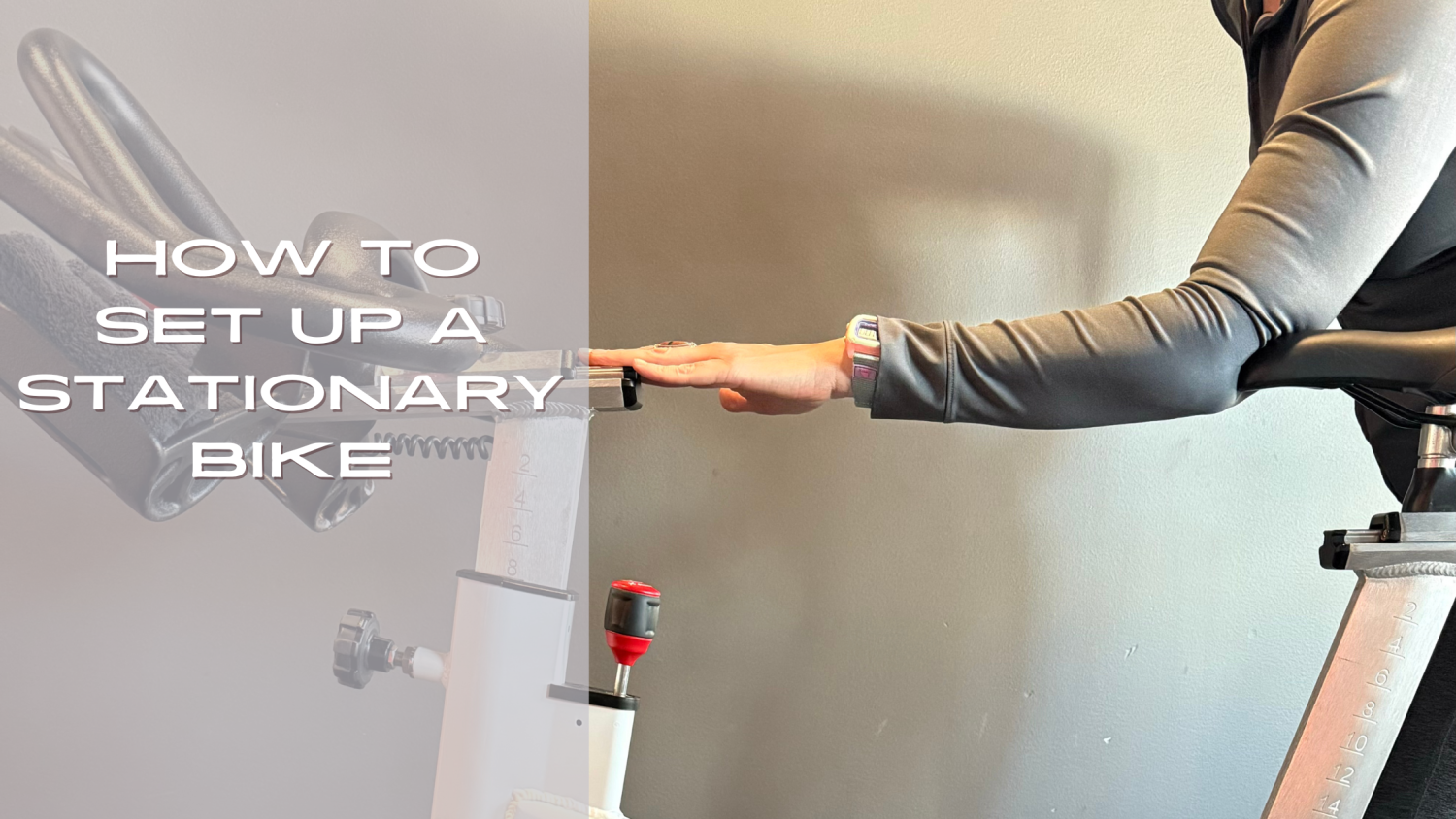
When handlebars are too low or too far away, riders are forced to reach, placing excessive weight into the hands and shoulders.
If the saddle is positioned too far back, the body compensates by shifting forward, again loading the wrists and neck.
An aggressive reach or collapsed posture increases cervical strain and makes it harder for the core to support the torso.
Over time, this leads to discomfort that can make riding feel unsustainable.
How Proper Setup Redistributes Effort
With correct bike setup, weight is supported primarily through the saddle and legs, not the hands. The core can stabilize the torso, allowing the arms to remain light and relaxed.
Proper handlebar height supports a neutral spine. Correct reach reduces shoulder tension. Balanced saddle positioning prevents the forward weight shift that stresses the wrists and neck.
When setup is dialed in, riders often notice immediate relief in the upper body.
The Takeaway
If your neck, shoulders, or wrists hurt after indoor cycling, it doesn’t mean cardio cycling isn’t right for you. It usually means your bike isn’t supporting your body the way it should.
Learning how to properly set up your stationary bike can dramatically change how riding feels — not just in your legs, but throughout your entire body.
Comfort, longevity, and strength on the bike all start with alignment.