Fever | Yoga Cycle Strength
  • Pricing
  • Schedule
  • Classes
    • Cardio Classes
    • Recovery Classes
    • Strength Classes
    • Flexibility Classes
  • Teacher Training
  • Private Yoga Sessions
  • Blog
  • Contact
    • FAQs
    • Careers
  • My Account
  • Menu Menu
  • Facebook
  • Instagram
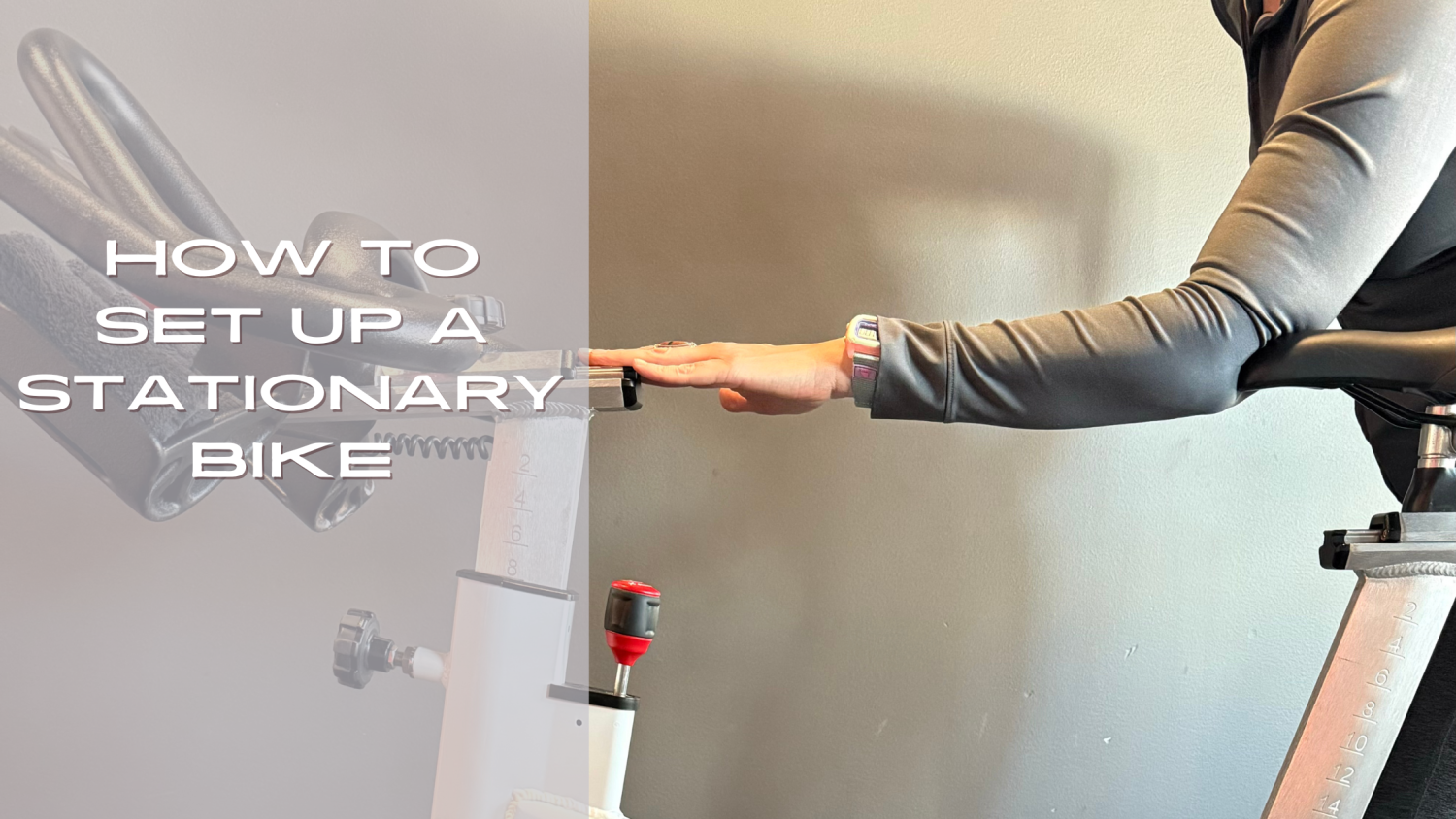
How to set up a stationary bike

How to Set Up a Stationary Bike

December 22, 2025/0 Comments/in Cardio, Indoor Cycling /by Shannon Austin

Setting up a stationary bike correctly can completely change how your indoor ride feels. When your bike is adjusted well, you’ll feel more stable, more powerful, and far less strained in your knees, hips, and lower back. A proper setup doesn’t just make the ride more comfortable—it helps you get more out of every minute on the bike.

Start with the seat height.

A simple way to find a good starting point is to stand next to the bike and bring the seat to about hip height. When you’re seated and pedaling, your leg should have a slight bend at the bottom of the pedal stroke. If the seat is too low, your knees will feel compressed and overworked. If it’s too high, your hips may rock side to side and you’ll lose stability and control.

Next, adjust the seat forward or back. This setting is often overlooked, but it makes a big difference in how balanced you feel on the bike. When your feet are on the pedals, your knees should feel stacked comfortably over the middle of your foot—not drifting too far forward or pulling too far back. If you feel like you’re constantly pushing yourself away from the handlebars or collapsing into them for support, your seat likely needs a small adjustment.

Handlebar height is about comfort, not intensity.

If you’re newer to cycling or returning after time away, it’s completely appropriate for the handlebars to be slightly higher than the seat. This allows you to breathe fully and keep your chest open without tension in your neck or shoulders. As you gain confidence and strength, you may choose to lower them slightly, but there’s no benefit to forcing a position that feels restrictive.

Foot placement matters more than people realize.

Aim to place the ball of your foot over the center of the pedal so your ankle can move naturally as you ride. Once you start pedaling, add enough resistance so the movement feels smooth and controlled rather than fast and bouncy. Resistance helps you stay grounded and supported, especially during standing or strength-focused sections of the ride.

One thing to remember is that not all bikes feel exactly the same.

Even within the same studio, small differences can exist. The good news is that once you understand what proper alignment feels like in your body, you can adjust almost any bike quickly and confidently. The goal is always the same: comfort, stability, and ease of movement.

If you’re ever unsure, ask your instructor for help before class begins. A quick adjustment can make a huge difference in how your ride feels, and there’s no expectation that you’ll have it perfect on your own. Cycling should feel strong and empowering—not awkward or strained.

When your bike is set up well, you’re free to focus on the rhythm, the breath, and the experience of the ride itself. That’s where indoor cycling becomes not just a workout, but something you actually look forward to.

Share this entry
  • Share on Facebook
  • Share on Pinterest
  • Share on LinkedIn
  • Share by Mail
https://feverycs.com/wp-content/uploads/2025/12/how-to-set-up-a-stationary-bike.png 1260 2240 Shannon Austin https://feverycs.com/wp-content/uploads/2023/06/FeverLogo_YCS_2023-300x140.png Shannon Austin2025-12-22 19:42:512025-12-22 19:42:51How to Set Up a Stationary Bike
0 replies

Leave a Reply

Want to join the discussion?
Feel free to contribute!

Leave a Reply Cancel reply

Your email address will not be published. Required fields are marked *

Featured Posts

What it takes to become a yoga teacher
December 22, 2025

What It Takes to Become a Yoga Teacher

Most people assume becoming a yoga teacher begins with learning…
Benefits of Hot Yoga in Grand Rapids
December 6, 2025

Benefits of Hot Yoga in Grand Rapids

private yoga Grand Rapids
December 2, 2025

Private Yoga Instruction in Grand Rapids: Is It Worth It?

How to stay safe during your first hot yoga class
December 1, 2025

How to Stay Safe During Your First Hot Yoga Class

Is hot yoga safe for beginners? Everything you need to know (Grand Rapids Edition)
November 30, 2025

Is Hot Yoga Safe for Beginners? Everything You Need to Know

Hot Barre in Grand Rapids
November 30, 2025

Hot Barre in Grand Rapids: Sculpt, Sweat & Strengthen with Infrared Heat

Hot yoga in Grand Rapids at Fever Yoga Cycle Strength
November 30, 2025

Hot Yoga in Grand Rapids: Discover the Best Heat at Fever

hot pilates in Grand Rapids michigan
September 17, 2025

Hot Pilates in Grand Rapids: Discover Infrared Pilates at Fever

barre versus pilates
April 25, 2025

Barre vs. Pilates: Which Is Right for You?

Barre vs. Strength Training: What is Best for Your Workout? 
February 17, 2023

Barre vs. Strength Training: What is Best for Your Workout? 

How to choose the right mat for hot yoga
January 20, 2021

How to Choose the Right Mat for Hot Yoga 

3 reasons to become a yoga teacher
December 30, 2017

3 Reasons to Become a Yoga Teacher in Grand Rapids

1154 Wealthy Street SE
Grand Rapids, MI 49506

(616) 805-3603

Classes

Flexibility

Cardio

Strength

Recovery

Get Help

FAQs
Parking
Pricing
Teacher Training
Blog
Contact

See Schedule

Copyright © 2025 Fever | Yoga Cycle Strength. Site by CurlyHost

How Barre Builds Strength Without Heavy Weights How Barre Builds Strength without Heavy Weights Common hot yoga myths Common Hot Yoga Myths
Scroll to top
Careers
  • This field is for validation purposes and should be left unchanged.

Barre Teacher Trainee Application

  • This field is for validation purposes and should be left unchanged.

Cancellation Request

  • This field is for validation purposes and should be left unchanged.

Teacher Trainee Application

  • This field is for validation purposes and should be left unchanged.