Posts

7 common yoga mistakes

7 Common Yoga Mistakes & How to Fix Them

Our goal is to guide you throughout your yoga journey, helping you grow in strength, flexibility, cardio and mindfulness while preventing you from facing injury or discouragement. In this week’s blog we offer tips to help you avoid seven common yoga mistakes. Are you ready to get the most out of your yoga practice?

Mistake #1: Comparing yourself to your neighbor

One of the most effective ways to get injured or discouraged is looking at your neighbor and trying to mirror their pose or stretch. All of us have different body types and skill sets. The person on the mat next to you might be a former ballerina or athlete; they might have years of yoga experience under their belts; or they might be naturally flexible. Yoga is a personal journey, so there’s no reason you should be comparing yourself to anyone else.

Pro-Tip: When you find yourself trying to bend into a pose that your neighbor can do, take a moment to close your eyes, focus on your breathing and center yourself again. Remember, yoga is not about measuring your level of performance. It is about harnessing the energy to tame the mind and shedding our negative behavior and patterns.

Mistake #2: Comparing your body to the way it was 20 years ago, 2 weeks ago, or even yesterday

Remember when you were eight years old? You could practically do a cartwheel and wheel pose in your sleep. Your body moved where you wanted it to without even thinking about it. But that was when you were younger – before you sat in a desk for hours straight, or had a child of your own, experienced an injury or had a life full of stress, bills and interpersonal relationships. We carry stress and trauma deep within the tissues of the body. Limiting our movement and our mind.

Pro-Tip: Take a moment before class to meditate on the phrase: “Here I am. This is where I’m at with my body and strength today.” Always try to meet yourself where you are at – in the now.

Mistake #3: Pushing your body to do too much

Yoga beginners often mistakenly think that it will be a piece of cake. Maybe they’ve been exercising or playing sports for years. Although certain yoga poses seem simple, it’s best to listen carefully to your teacher’s instructions and ease into the practice without looking for an edge. Going slow and moving to the point of sensation as a newbie. It’s easy to fall prey to questions like “Why can’t I touch my toes yet?” or “Why is this not getting any easier?” The beauty of yoga is that it benefits you on many levels. Maybe you can’t touch your toes yet, but instead you’ve learned to modify to a better plank or breathe more effectively.

Pro-Tip: Take the most modified pose you can do correctly, in order to create strength and proper alignment rather than creating negative habits. Engage as many muscles by hugging the muscles to the bone throughout the entire practice. Instead of going deep, go strong.

Mistake #4: Practicing inconsistently

You know that feeling right after you finish a yoga class? You feel open, relaxed and focused – you can’t wait to come back for another one. But all of us lead busy lives and eventually our work, social life and family responsibilities begin to interfere. When you finally do return to class, you’ve lost what you thought you had gained. Don’t worry!! The mat is always there for you to build your strength and flexibility. The key is being ready. When you are ready to get consistent, your body will gradually open up, strengthen and move further into the poses. It just takes time and patience.

Pro-Tip: Commit to practicing yoga twice a week, even if that occasionally means rolling the mat out in your own basement and sitting in a seated position for meditation. Build a relationship with your mat. It can quickly become a good friend, guide and safe zone.

Mistake #5: Holding your breath

We often see students failing to let their breath lead them through the sequences or even holding it completely, especially during the more advanced poses. Forgetting to breathe consistently is a negative habit that causes anxiety and stress, exactly the opposite effect we seek in yoga.

Pro-Tip: Focus on your slow, deep inhales and exhales throughout the whole yoga class.

Mistake #6: Taking classes that are too advanced

If you’re a beginner to yoga, you really should look into trying a few slow or gentle flow classes first. These offer the opportunity to learn the poses, discover yogic breath and become comfortable within the practice. However, even the more advanced students would benefit from remembering the positive effects of slowing it down once in awhile.

Mistake #7: Failing to disclose medical/physical conditions

When you visit many of our classes at Yoga Fever, you’ll hear your teacher ask if there are any injuries or medical conditions he or she should be aware of. Students often feel embarrassed or too shy to speak up here. Your teachers want to know these issues so they can craft a restorative practice that won’t endanger your body.

Pro-Tip: Yoga is therapeutic. An experienced, intelligent teacher will help you overcome these injuries. Speak up.

How does a private yoga lesson work?

How Does a Private Yoga Lesson Work?

What is a private yoga lesson?

A private yoga session is a one-on-one yoga lesson with a skilled and trained Registered Yoga Teacher. During a private yoga class together you can focus on your specific needs. Some like to go the private yoga route to learn the basics as a beginner before they throw themselves into a group setting or are healing an injury back to health. Others may just prefer personalized instruction to destress even though they have been practicing some form of yoga for several years.

If you are a beginner, healing an injury or just prefer one-on-one attention, a private yoga lesson may be a good fit. A group setting may be overwhelming if any of the above applies to you.

What is the cost of a private session?

Pricing for yoga varies for private instruction from city to city and state to state. In the Midwest, rates typically range from $75 – $125 per hour, depending on the teacher’s experience and training. On the East or West Coast, those rates often double or even triple for highly sought after instructors. It’s important to remember that popularity on social media doesn’t always equal teaching expertise. A well-marketed teacher may not necessarily have the knowledge or skills to address your specific needs.

Private yoga sessions are a meaningful investment in your health and wellbeing. Take the time to research your instructor, ensuring they can offer personalized guidance that goes beyond the standard group class experience.

Is a private session right for me?

The decision to book a private yoga session depends on the your unique needs and goals. If you prefer a more personalized setting with a skilled instructor, 1:1 instruction can offer the focus and support you’re looking for. Private yoga sessions are ideal for beginners who want to build confidence before joining group classes or for anyone recovering from injury and seeking yoga as a path to healing, or for those wanting to release stress through guided meditation and restorative practices. These sessions aren’t only gentle and therapeutic; they can also be highly active, helping stabilize and strengthen the muscles around injured or weakened areas for long term resilience.

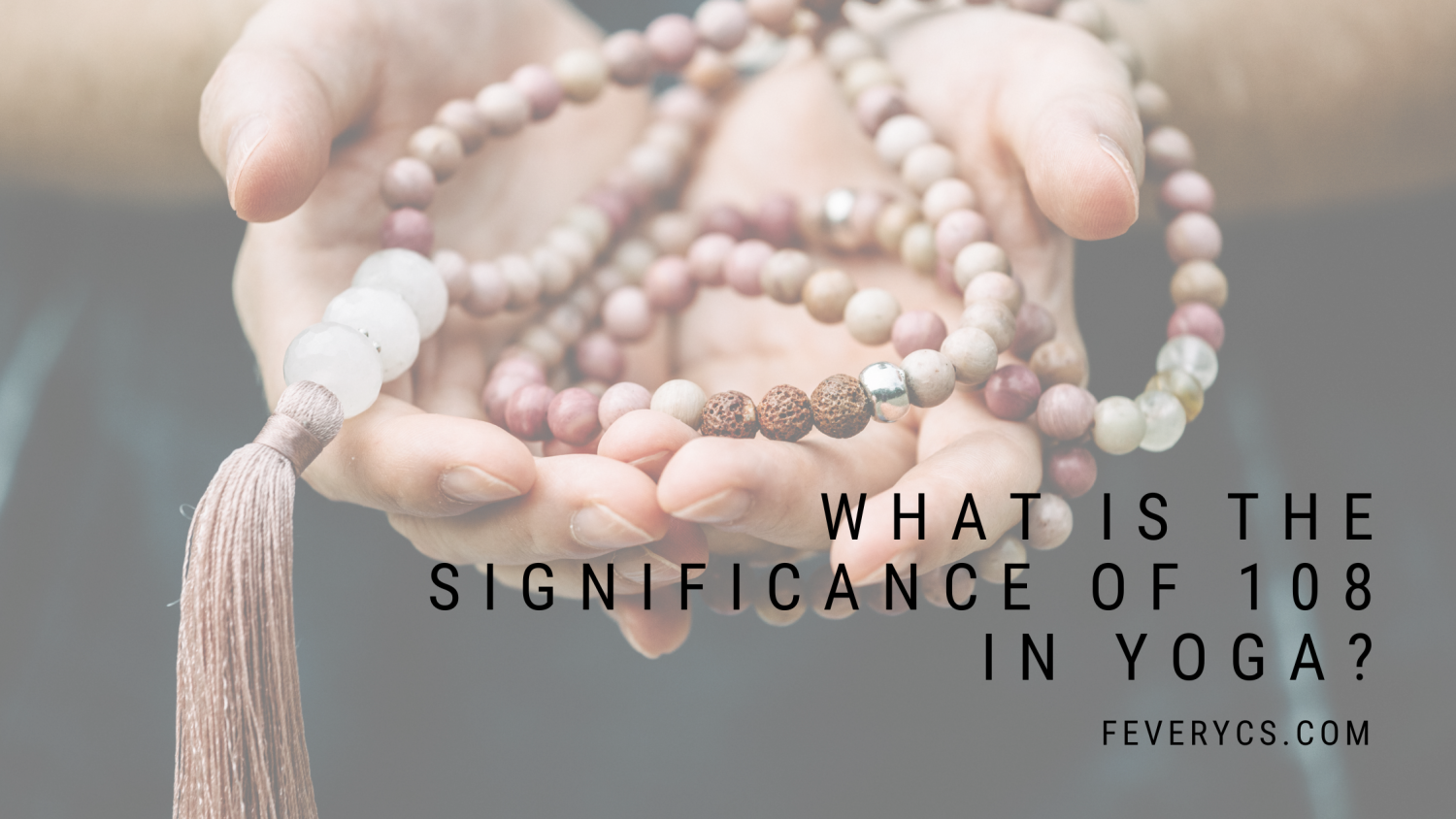
what is the significance of 108 in yoga

What is the Significance of 108 in Yoga?

Why the number 108?

The number 108 is considered a sacred number in Hinduism, Buddhism and yogic tradition. Malas or Japa beads come in a string of 108 and are used for devotional meditation, mantra and prayer. With each bead a mantra or prayer is repeated to meet a total of 108. The Meru bead is the larger bead or tassel on the mala and is not part of the 108. This is the guiding bead and marks the beginning and end of the mala/chant/prayer/mantra. We lean toward hand made, authentic beads like red carnelian or Rudraksha Tibetan beads.

Fever offers 108 Sun Salutations or Surya Namaskar A to celebrate our transition into Spring. Spring is a season of phenomenal renewal. The earth awakens from its slumber and blossoms into new life, new beginnings and new awareness. It is a great time to reflect on health and well being. Together we will flow and breathe to become one body, one heart and one mind.

For those who feel especially drawn to the deeper meaning of ritual and repetition, private yoga sessions offer an opportunity to explore practices like 108 Sun Salutations in a more intentional, supported way. Working one-on-one allows us to pace the breath, movement, and mindset to honor both the physical and symbolic significance of the number without overwhelm. Whether you’re moving through 108 as a seasonal reset, a personal milestone, or a form of moving meditation, private instruction creates the space to approach this sacred practice with clarity, safety, and purpose.

Here are a few interpretations of the significance of the number 108.

  • Sanskrit alphabet has 54 letters. Each letter has a masculine (Shiva) and feminine (Shakti) energy 54 X 2 = 108
  • Desires. There are said to be 108 earthly desires in mortals.
  • Time. It is said we have 108 feelings. 36 related to the past, 36 related to the present, and 36 related to the future.
  • Astrology. There are 12 constellations and 9 arc segments. There are 12 houses and 9 planets. 12 X 9 = 108
  • The diameter of the sun is 108 times the earth.

Please join us in studio to become one. One Mind. One Body. One Spirit. Check back for more offerings of 108 Sun Salutes or book your private session today.


yoga for weight loss

Yoga for Weight Loss?

Yoga for Weight Loss: Does it Work?

Let’s break it down. Yoga is a form of physical and mental exercise. Increasing your physical and mental exercise will benefit you on several levels. If the goal is weight loss, then picking a yoga style that is challenging, powerful, and gets your heart rate up is the way to go. The more vigorous the yoga practice, the more you will sweat and increase your caloric burn.

Cardio, cardio, cardio

We know cardio is the way to a slimmer self and we know toning the muscles is the way to a flatter belly and a toned body. This is what makes yoga a wonderful complement to any weight loss program. Indoor cycling, breath and movement yoga classes or momentum style classes will give you a cardio kick by getting you moving. Traditional yoga classes where you hold poses will help with added strength and endurance. Finding a yoga class that incorporates holding poses and momentum will help you shed a few pounds.

We can actually make our yoga class as easy or as hard as we want. We have the control to activate all of the muscle groups by “hugging in” or hugging the muscle to the bone. This creates an activation of the muscular energy of the body. If we want to make it easier on ourselves, we can choose to not hug in and take a more relaxed version of the pose. It’s that simple.

Can I lose more weight with hot yoga?

Hot yoga classes + cardio not only promotes weight loss but it helps to sculpt your body. The heat guarantees your body will sweat and work harder than in a traditional yoga studio. You will shed a lot of superficial water weight right away by sweating like a fiend in hot yoga. Hot yoga boosts your metabolism and promotes overall cleansing by flushing out your lymphatic system.

Overall wellness plays a role in weight loss

There are many different types of yoga practice that will help you gain more awareness of your body, your food choices, and acceptance of yourself just as you are. The more mental clarity and positive energy we gain from a regular yoga practice the higher our quality of life. Ultimately, yoga will change your life not just on a physical level, but on a physiological, emotional, psychological, and spiritual level.

what to expect at your first yoga class

What To Expect At Your First Yoga Class

Yoga for Beginners

So you’ve decided to start a new chapter and take your first yoga class. Good for you! We admire steps toward positive change. Jumping on the yoga train can be scary, we know it. We’ve all been there. Not only are you chartering new territory with your first yoga class but also jumping right into a heated class! There are several questions that you may be asking yourself regarding your first class. Let’s highlight a few Q & A’s, with some great tips to set your mind at ease.

Can I handle the heat?

We won’t lie, the heat will feel pretty intense your first time around. Be prepared to sweat. The atmosphere is controlled to be a toasty 90 degrees in our hot yoga 101 classes. Know that you can step out of the room at any time if you feel it necessary. The heat helps heal and nourish the muscles, joints and the mind. It is there to help guide you into a smooth practice, not make you suffer. After class, you will notice a sense of peace, energy release and an overall sense of well being. We like to say that you can shed a skin on your mat in a heated class…leaving behind the residue that doesn’t serve you.

Will I be awkward with everyone looking at me?

You may feel slightly awkward as you learn about creating new and creative ways to shape your body and your mind. This is totally normal. Go with the weirdness. No one is judging you. The goal in a yoga space is to check your ego at the door and go inward. You may have other fellow beginners looking around for guidance but nothing to take too seriously. As you progress and grow into other classes, no one is looking around to check you out. This is an internal practice and each experience is personal and unique.

What should I wear?

You don’t need to buy expensive clothing to hit your first warm or hot yoga 101 class. There is no point in investing a lot of money on outfits for your first time in. We believe form-fitting clothing that will not interfere with the movement of the body is best. Keep running shorts and t-shirt for the gym or your morning run. Tight clothing that breathes will help you stay focused on the yoga practice and not your clothes riding up in all the wrong places.

Please check your shoes at the door. Yoga is best performed with bare feet as it will help you maintain grip. Do what feels best for you!

Am I flexible enough to do yoga?

Every hot yoga studio will tell you the phrase they hear most is ‘I’m not flexible enough to do yoga’. There is a common misconception attached to yoga due to images in society that you must have a ballerina type body that can twist into a pretzel or the splits on demand. Not true! Yoga is good for every “body”. We have all shapes, sizes, and age groups in our hot yoga classes.

Long story short… Yes, you are flexible enough to do yoga. In fact, no flexibility is required to take a yoga class. With time, patience, and consistent practice, you will become more flexible in your body and in your mind (which is the true goal of yoga anyway).

What should I bring with me?

Please bring a water bottle with you so you can stay hydrated. We also sell water with to help replenish the body before, during and after your hot yoga class. We may not always cue you to grab a drink, so listen to your body and sip your water anytime you need nourishment and hydration. If you have a yoga mat, bring it with you or rent one of our yoga mats or large mat towels for your first time. Our mats are specific to hot yoga so they will provide more grip and traction on your mat.

What should I do if I feel lost or overwhelmed?

We guide you through a safe and soft practice your first time around and in every beginner class. Know that yoga is very visual as a beginner. Some stay in Yoga 101 permanently as they are injured or prefer to move intentionally and slowly. Please feel free to look around, see what everyone else is doing. Your teacher will also guide you through the demonstration. It’s always good to listen to your body if you need a break. Childs pose is what we call a ‘rest pose’. To come into this pose bring the knees down to the mat, bring the great toes together, slide the hips toward the heels and sink the torso in between the inner thighs. The forehead touches down and the arms can be stretched long in front of you or down by your sides. You will see many yogis at ALL levels taking this pose for a break for their body. We recommend using this pose frequently as a newbie to the practice. Here you can come back to your breath and surrender until you are ready to rejoin the class. If child’s pose feels too intense on your knees just come down onto your back or belly and rest. Your mat awaits…