
The Beginners Guide to Barre Classes
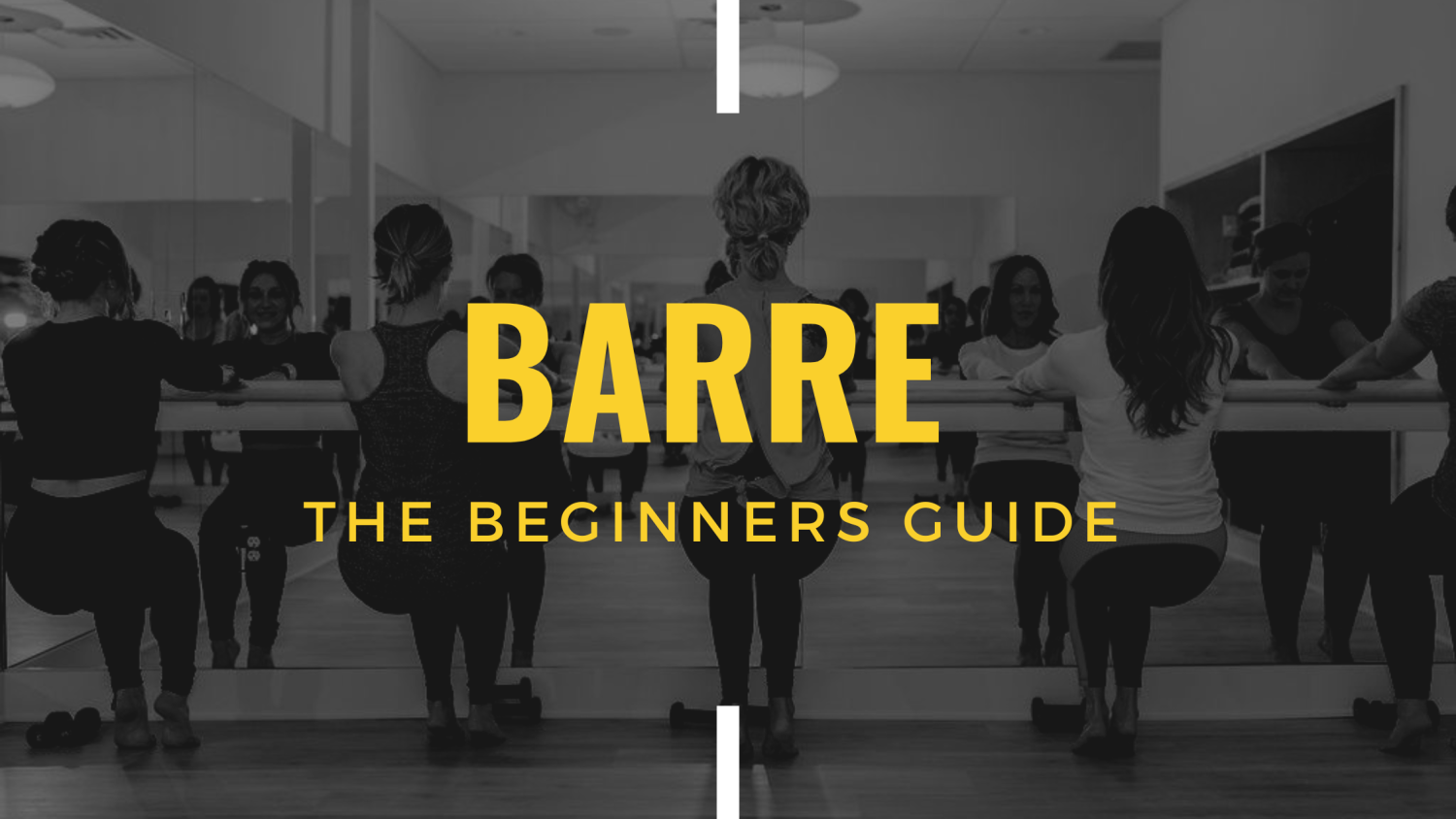
Barre is an accessible and beginner-friendly form of exercise for everyone, regardless of skill or fitness level. In this blog, we’ll walk through how barre was created, basic barre movements and terms, equipment used in barre classes, the unique benefits of barre classes, and explain everything you need to know before taking your first barre class.
What is Barre?
Barre was created in the 1950s by Lotte Berk, a ballerina who, after sustaining a back injury, began combining her traditional ballet routines with rehabilitative therapy exercises. Since then, barre has developed into a popular form of full-body exercise that combines movements and positions borrowed from ballet with low-impact, repetitive strength exercises.
Understanding Basic Barre Movements & Terms
Because barre borrows movements from ballet, several terms and movements may be unfamiliar to beginners. However, no prior dance experience or knowledge is required to participate in barre—you’ll get the hang of it in no time. To get you started, here are some common barre movements and terms to know:
Common Barre Positions:
- First Position: Standing on the floor with your heels touching and your toes apart, forming a narrow V shape.
- Second Position: Standing on the floor with your feet slightly wider than shoulder distance and your toes slightly pointing on an outward diagonal (also sometimes called “wide second”).
- Parallel: Standing on the floor with your feet straight and facing forward (like the number 11), either together or hip-width apart.
- Neutral Spine: A relaxed position where your back is perfectly in line from the tailbone to the spine to the neck and head, not straining in either direction.
Common Barre Movements:
- Pulse: A small, controlled muscle movement typically done to the beat of music. Pulses involve a small range of motion, often indicated by the phrase “up an inch, down an inch.”
- Relevé: Taken from ballet, this instruction simply means to lift your heel(s) off the ground.
- Point/Flex: A point means to extend your toes pointing away from your body, lengthening your leg muscles outward. The opposite of a point, a flex means to pull your toes upward toward your body, stretching your calves and hamstrings.
- Plié: Also from ballet, a plié indicates bending the knees then straightening them again, typically with hips and feet turned outward and the heels pressed together.
Gear and Equipment Used in Barre Classes
There are two pieces of equipment unique to barre classes: a ballet-style barre often used for support during exercises and a stall barre, which is a tall piece of exercise equipment with rungs of various heights often used for stretching and corrective exercises.
While many barre movements require only your body weight, barre instructors may incorporate light hand or ankle weights, resistance bands, exercise ballers, or sliders to further challenge and tone your muscles.
Different Styles of Barre
Not all barre classes are created equal. Franchise studios follow scripted formats—predictable sequences repeated for weeks at a time. Boutique fitness studios offer more variety and personality, with teachers who shape class based on their style, personality and expertise. And then there’s hot barre classes, where you get the sculpting benefits of barre with added infrared heat for deeper muscle activation and a detoxifying sweat.
The Benefits of Barre
Barre is strength training and is often praised for its ability to help isolate and tone lean muscle throughout all parts of the body, including your core, glutes, arms, and thighs/legs. The use of repeated slow, small movements allows you to work these muscles in a more focused way than traditional strength training exercises and target deeper muscles that high-intensity workouts might miss.
In addition to gaining strength and toning muscles, barre exercises help to increase flexibility, build a stronger core, and improve posture and balance. This increased mobility and range of motion are not only helpful for your workouts, but for the quality of your everyday life. The low-impact movements of barre are also easier on your joints than high-impact strength training, which means quicker recovery times and a lessened chance of injury.
Like all forms of exercise, barre is beneficial for overall physical health and longevity. And because of the emphasis on the mind-body connection, barre is also known for increasing mental clarity and reducing stress through the release of endorphins.
What to Expect from Your First Barre Class
What to Wear: Women should wear a supportive sports bra with an exercise tank top or fitted shirt. We like the bra built into our tanks for barre class. We listed our favorite barre tank that we have in every color below! For bottoms, fitted capris, leggings, or exercise pants are all appropriate, but wearing shorts is discouraged.
Most barre classes require grip/sticky socks, as no shoes are worn during the class. Barre sox ensures unparalleled stability during your barre workout, offering a secure grip that outperforms other options.
What to Bring: All of the equipment needed for your class will be provided, except barre socks and hydration.
What to Expect: While classes vary in style and length, all barre classes will focus on a variety of mobility, range of motion, and strength/toning exercises. In most classes, these exercises will be timed to the beat of music.
Barre classes often rotate through sections focusing on arms, core/abs, and lower body, repeating small isometric movements until all muscle groups are fatigued and end with a cooldown/stretching period.
Modern barre studios in Grand Rapids may offer fusion classes that combine barre with another form of exercise such as cardio barre, HIIT barre, or pilates and barre. If it’s your first time taking a barre class in Grand Rapids, consider arriving a few minutes early to get familiar with the equipment and to ask any questions about the class format to the instructor. Your barre instructor is an expert there to help you succeed and get the most out of your class.
Ready to hit the barre in GR? Schedule a barre class at Fever | Yoga Cycle Strength today.





I feel much more relaxed and stress-free after attending yoga sessions