
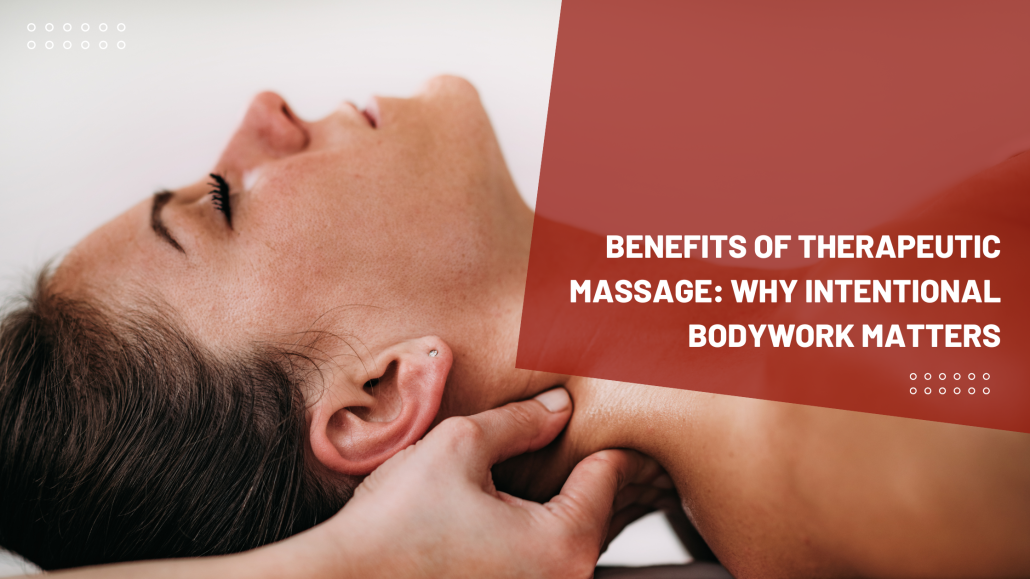
Benefits of Therapeutic Massage: Why Intentional Bodywork Matters
Therapeutic healing massage is not just about relaxation. At its best, it is strategic, responsive bodywork designed to help the body recover, release tension, improve mobility, and function more efficiently. For athletes, active individuals, and anyone carrying stress or physical strain, therapeutic massage can become an essential part of how the body maintains balance and performs well over time.
At Fever, massage is not approached as a generic spa service. It is designed as a recovery tool that supports the body through intentional, tissue-focused work. Our signature massage blends myofascial release, slow and deliberate movement, heated oil, hot towels, and a heated massage bed to create a treatment that is both effective and deeply healing and restorative. It is not Swedish massage, and it is not traditional deep tissue. It is a hybrid experience that works with the body in a more thoughtful and strategic way.
What Is Therapeutic Massage?
Therapeutic massage is bodywork performed with a specific purpose. Rather than simply applying pressure, it is designed to improve how the tissues feel, move, change and respond. The goal may be to reduce tension, improve range of motion, address chronic tightness, support recovery, or help the nervous system shift out of a stressed state.
This kind of work is especially valuable for people who train hard, carry repetitive tension, sit for long periods, or feel like certain areas of the body are constantly “holding on.” It is also beneficial for those who need more than surface-level relaxation but do not want forceful work.
A Hybrid Approach: Not Swedish, Not Deep Tissue
Many people think massage must fall into one of two categories. Either it is a relaxing Swedish massage, or it is intense deep tissue work. In reality, effective bodywork often lives somewhere in between.
Our signature massage is a hybrid approach. It combines the calming, integrating aspects of massage with slower, more focused deeper therapeutic work that helps the tissue actually change. The pace is intentional. The pressure is responsive. The goal is not to force the body, but to work with it in a way that encourages surrender.
This matters because tissue often responds better to patience than to aggression. Fast, forceful work can sometimes cause guarding. Slow, sustained work gives the body time to soften, adapt, and let go.
Why Heat Matters in Massage
One of the defining elements of our massage is the use of heat through warmed oil, hot towels, and a heated massage bed. These are not just luxury add-ons. They serve a real therapeutic purpose.
Heat helps soften the tissues, making them more pliable and receptive to the work. When muscle and fascia are warmed, they tend to resist less. This allows for more effective treatment of mind and body.
Heated components can also help increase circulation, calm the nervous system, and create a deeper sense of ease in the body. For clients who come in guarded, overworked, or chronically tight, heat helps create the conditions for better results.
The heated oil allows the hands and forearms to move more fluidly while encouraging the tissue to soften. Hot towels bring targeted warmth and grounding, especially to areas that hold a lot of stress. The heated bed supports the entire body from underneath, helping clients settle more fully and reducing the unconscious tension that often stays present when the body is cold or bracing.
Why Deep Myofascial Release Makes a Difference
Fascia is the connective tissue that surrounds and supports muscles, joints, and structures throughout the body. When fascia becomes restricted, the body can feel tight, stuck, heavy, or limited, even when the muscles themselves are not the only issue.
Deep myofascial release works more slowly and intentionally. It is less about constant motion and more about listening to the tissue, waiting for resistance to soften, and allowing deeper layers to release. This can create meaningful change in areas that feel chronically bound up.
For active people, fascial restriction can interfere with movement quality, recovery, and performance. Even strong, well-trained bodies can feel limited when the connective tissue is not moving well. This is one reason why a slower and deeper therapeutic approach can be so valuable. It addresses not just soreness, but the underlying restriction that may be contributing to it.
Benefits of Therapeutic Massage for Athletes and Active Bodies
For people who are pushing their bodies regularly, massage is not just a treat. It can be part of maintenance, recovery, and longevity.
Therapeutic massage can help reduce muscular tension that builds from training, repetitive movement, strength work, cycling, yoga, running, or long hours on the feet. It can improve circulation, which helps bring fresh blood flow into tired areas. It can support range of motion and mobility by reducing restriction in the tissue. It can also help restore a sense of ease and coordination in the body, especially when certain areas feel overworked or overloaded.
Athletes and active clients often live in cycles of effort, stress, soreness, and recovery. Massage supports that cycle by helping the body come down from constant output. It creates an opportunity for repair.
This can be especially important for those who tend to train through tightness, ignore small compensations, or wait until something feels severe before addressing it. Massage can help catch patterns earlier, before they become larger problems.
Benefits Beyond the Muscles
Therapeutic massage is not only about muscles. It also affects the nervous system.
Many people live in a constant low-grade stress state. Even if they are physically fit, their system is still running hot. Their shoulders stay lifted. Their jaw stays tight. Their breathing stays shallow. Their mind never fully powers down.
Massage helps shift the body into a more parasympathetic state, where rest, digestion, and recovery can happen more easily. This is part of why massage can feel so powerful. It is not only changing tissue quality. It is changing the body’s internal state.
Clients often notice that after a session they are not just looser, but calmer. Their breathing deepens. Their mind quiets. Their body feels less defended. This matters because true recovery is not just physical. It is very much neurological as well.
Why Slow, Intentional Work Gets Better Results
There is a misconception that more force equals better results. In many cases, the opposite is true.
Slow, intentional bodywork gives the tissue time to respond. It allows the practitioner to feel where the body is ready to release and where it is still guarding. It respects the body’s pacing rather than overriding it.
This is especially useful in areas like the neck, shoulders, jaw, hips, glutes, low back, and upper back, where people often store long-standing tension. These areas do not always respond best to force. They often respond best to presence, patience, sustained pressure, and strategic movement.
This style of work tends to create more lasting change because it works with the body rather than against it.
Who Benefits Most from Therapeutic Massage?
Therapeutic massage can benefit a wide range of people, but it is especially helpful for those who:
- train regularly and want better recovery
- feel chronically tight or restricted
- carry tension in the neck, shoulders, jaw, hips, or back
- experience soreness that does not fully resolve on its own
- sit for long hours and feel compressed or stiff
- want more effective bodywork than a standard relaxation massage
- need support calming the nervous system and settling the body
For people who are active, strong, and constantly asking a lot of their bodies, massage can become a missing link. Training creates demand. Recovery helps the body adapt to that demand.
What to Expect from This Style of Massage
This is not a rushed, formulaic treatment. It is a slower, more intentional experience that meets the body where it is.
Some areas may receive sustained attention. Some strokes may move more slowly than expected. Heat is used purposefully to prepare the tissue and help it respond. The work may include a blend of broad, grounding techniques and more focused therapeutic attention where the body needs it most.
The result is often a feeling of being both deeply restored and structurally changed. Clients may leave feeling lighter, more open, less compressed, and more connected to their bodies.
How to Get the Best Results
Massage works best when viewed as part of a bigger recovery picture. Hydration, movement, training load, sleep, and consistency all matter.
Clients who receive massage regularly often notice better long-term results than those who wait until they are in severe discomfort. Consistent bodywork helps manage tension before it becomes deeply ingrained.
It is also helpful to stay hydrated after a session, give the body a little time to integrate the work, and pay attention to how movement feels in the day or two that follows. Many people notice improved mobility, easier posture, and less resistance in the body after treatment.
Final Thoughts
Therapeutic massage is about more than feeling good for an hour. It is about helping the body move better, recover more effectively, and carry less unnecessary tension.
When bodywork is done with intention, heat, and a deeper understanding of fascia and tissue response, it becomes something more powerful than either relaxation massage or aggressive deep tissue work alone. It becomes a hybrid recovery experience that supports both performance and restoration.
For active individuals, athletes, and anyone asking a lot of their body, this kind of massage can be one of the most valuable tools in the recovery process. It helps soften what is guarded, restore what is overworked, and support the body in doing what it is designed to do.
