
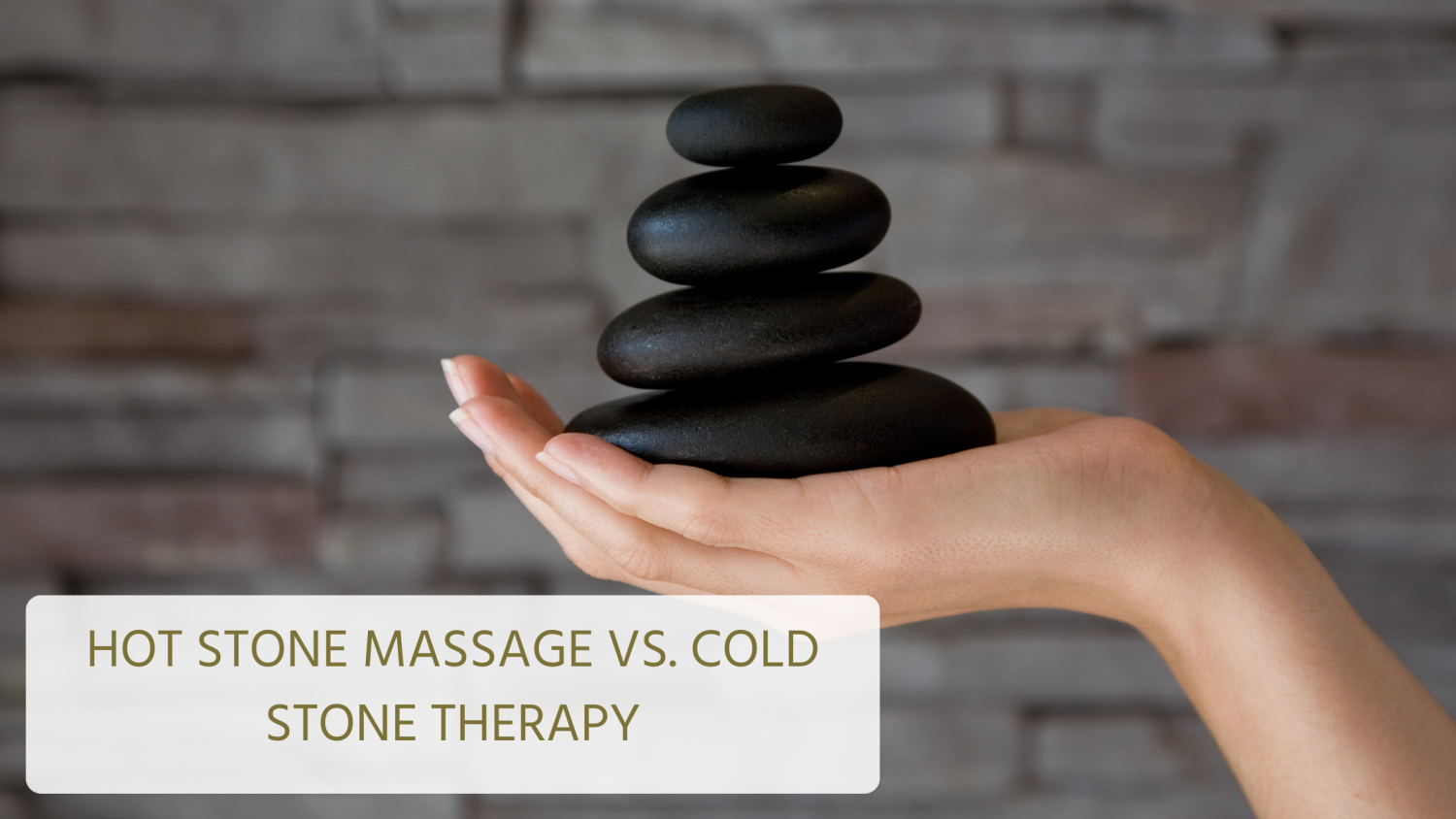
Hot Stone Massage vs. Cold Stone Therapy: The Energetics of Heat and Cold in the Body
Temperature doesn’t just affect the muscles — it affects the nervous system, circulation, and the way energy moves through the body. Both hot stone and cold stone massage therapies use temperature intentionally, but they work through very different energetic pathways.
One invites expansion and release. The other creates contraction and clarity. Understanding the energetic language of heat and cold helps you choose the experience that best supports your body and nervous system in that moment.
The Energetic Nature of Heat
Heat is expansive by nature. It dilates, softens, opens, and invites movement. When heat is applied through warm stones, the body responds not only physically, but neurologically and energetically as well.
Hot stone massage works through:
• Expansion of tissue and fascia
• Increased circulation and energetic flow
• Softening of protective holding patterns
• Nervous system down-regulation
• A sense of safety, heaviness, and grounding
Energetically, heat encourages the body to let go. It signals that it is safe to release control, soften resistance, and settle into deeper layers of awareness. Many people describe hot stone massage as melting, spacious, or deeply enveloping.
This is why heat is often associated with:
• Emotional release
• Parasympathetic activation
• A return to the felt sense of the body
The Energetic Nature of Cold
Cold works through contraction and containment with ideally marble or jade stones. Rather than encouraging expansion, it creates clarity, boundaries, and focused regulation. Cold stone therapy is often used in short, targeted applications rather than continuous full-body work.
Cold influences the energetic body through:
• Contraction of tissue and energetic fields
• Heightened sensory awareness
• Reduction of inflammatory heat
• Nervous system alertness and reset
• Sharpening and clearing sensations
Energetically, cold brings focus. It pulls scattered energy inward and creates a feeling of containment and stabilization. It is often used when the body feels overheated, inflamed, or overstimulated.
The Energetic Difference Between Heat and Cold
Heat:
• Opens and expands
• Encourages flow and release
• Supports emotional softening
• Invites deep rest and surrender
Cold:
• Contracts and sharpens
• Clears and focuses
• Supports containment and stabilization
• Brings alertness and recalibration
Both are powerful. They simply speak different energetic languages.
Why Hot Stone Massage Is Often Chosen for Energetic Bodywork
Hot stone massage combines heat with the grounding weight of earth-based stones. This creates a unique blend of:
• Thermal expansion
• Nervous system settling
• Energetic grounding
• Deep parasympathetic response
Because warmth encourages both physical and energetic softening, hot stone work is often chosen for:
• Stress-related holding
• Emotional fatigue
• Nervous system overload
• Long-standing tension patterns
Cold stone therapy, by contrast, is often used as a supportive adjunct rather than a primary relaxation modality.
Choosing Based on Energetic Needs
Choose heat when:
• You feel constricted, guarded, or depleted
• You need grounding and deep relaxation
• You want to soften both body and nervous system
Choose cold when:
• You feel inflamed, overstimulated, or agitated
• You need energetic containment and clarity
• You are in an acute recovery phase
Some people benefit from contrast therapy, where heat and cold are used together to create dynamic energetic movement and recalibration.
A Final Thought
Heat and cold are not opposites — they are complementary forces that work together to regulate the body’s physical, neurological, and energetic systems. When used intentionally, temperature becomes a powerful language the body understands instantly.