
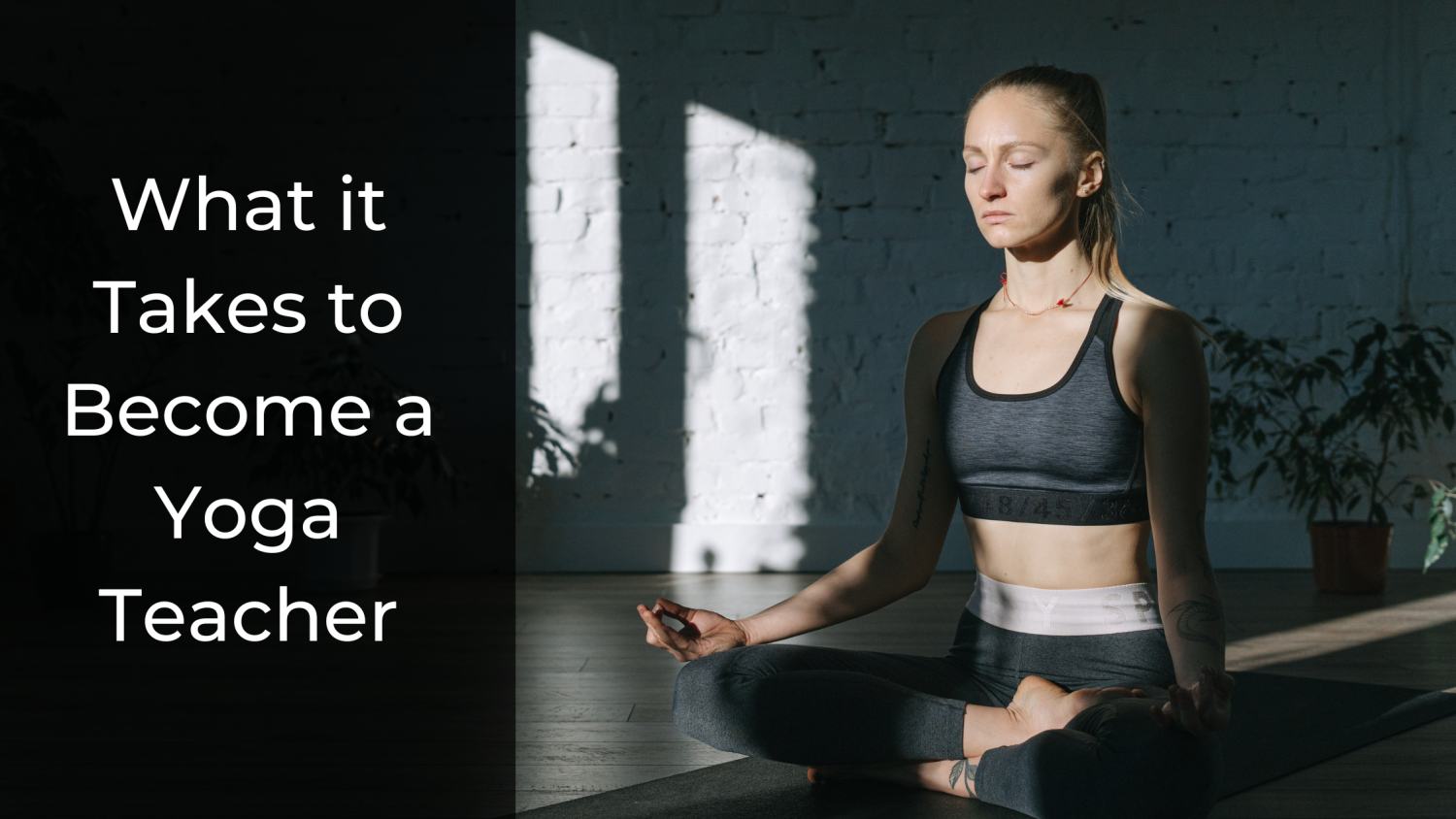
What It Takes to Become a Yoga Teacher
Most people assume becoming a yoga teacher begins with learning postures — and in many ways, it does. The body is where we first notice patterns: how we move, what we avoid, what we force, and what we soften. But the deeper work of teaching happens in the same place — within our own experience. Becoming a yoga teacher isn’t about perfecting poses; it’s about gaining the clarity, steadiness, and integrity to guide others through theirs.
The physical practice matters. The postures matter. Alignment matters. Breath matters. Anatomy matters. What happens in the body is not separate from what happens in the mind — it’s the gateway. And to teach yoga well, you have to be willing to step into a transformative process that begins on your mat and radiates outward into every part of your life.
⸻
1. Integrity in the Body Creates Integrity in the Self
One of the most surprising parts of yoga teacher training is realizing how deeply asana reveals the truth. Physical integrity — alignment, attention, presence — reflects inner integrity. The way we move is the way we think, and the way we think is the way we live. In training, postures are never just shapes; they’re mirrors.
To teach yoga is to understand how the body communicates: where there is effort, where there is avoidance, where there is collapse, where there is strength. You learn how to see bodies clearly and how to work with them skillfully — beginning with your own.
⸻
2. Inner Work Is Not Optional — It’s Central
Yoga teacher training is not simply an education in technique. It’s an unraveling. A looking inward. A widening of awareness.
The teachings ask us to see our samskaras — the habitual patterns and internal narratives that shape our experience. They ask us to examine where we’re stuck in our lives, because we can’t guide others through what we have not faced ourselves.
This work doesn’t require perfection. It requires honesty.
Teaching yoga isn’t about delivering a script. It’s about holding space with presence and humility — and that can only come from lived practice.
⸻
3. The Yamas and Niyamas Are Not Philosophy on the Side — They’re the Foundation
Ethics are not theoretical in yoga. They are embodied.
Ahimsa, satya, tapas, svadhyaya — these principles become deeply personal when you’re practicing, studying, and teaching.
They influence how we speak to students, how we speak to ourselves, how we set boundaries, how we show up, and how we care for the work.
Yoga without yamas and niyamas is simply exercise.
Yoga with them becomes a path.
⸻
4. Asana, Breath, and Sequencing Are Skills — and They Matter
Teacher training is not just reflection and philosophy.
There is craft to this work:
• intelligent sequencing
• understanding functional anatomy
• why postures progress the way they do
• how to breathe with purpose
• how to see misalignment
• how to build strength and expand capacity
Students may come to yoga seeking calm or mobility, but the structure beneath the experience matters.
A strong class looks effortless, but it is not accidental.
To teach yoga well, you learn to design experiences intentionally.
⸻
5. Teaching Begins With Listening
The best yoga teachers are not the ones with the most complicated poses — they are the ones who see their students clearly. To teach yoga is to cultivate presence. You learn to listen with your eyes, your hands, your voice, and your intuition.
You learn how to offer options without judgment.
You learn how to meet a room full of different bodies, different stories, and different nervous systems — all in the same hour.
This is work that requires empathy, awareness, and practice.
⸻
6. A Yoga Teacher Is Always a Student
Training does not deliver a final answer — it opens a doorway.
You leave with more curiosity than certainty.
More softness than rigidity.
More perspective than performance.
Becoming a yoga teacher is not the end of something, but the beginning of everything — a lifelong practice of learning, recommitting, and growing.
⸻
7. Who Yoga Teacher Training Is For
Yoga teacher training is for people who feel called to do meaningful work.
It’s for people who want to understand themselves more deeply.
It’s for people who know the physical practice is only one part of what yoga offers, and who want to learn how to share that in a way that is grounded and real.
It’s not about being perfect.
It’s about being awake.
⸻
If you’re feeling drawn to this work
Our Yoga Teacher Training program at Fever Yoga Cycle Strength is built to honor the whole spectrum of practice — asana, pranayama, philosophy, sequencing, anatomy, meditation, and the deep inner inquiry that makes the teaching authentic.
If you’re ready to step into the process, learn more here:
