
Cupping Therapy: What It Is, How It Works, and What Those Marks Really Mean
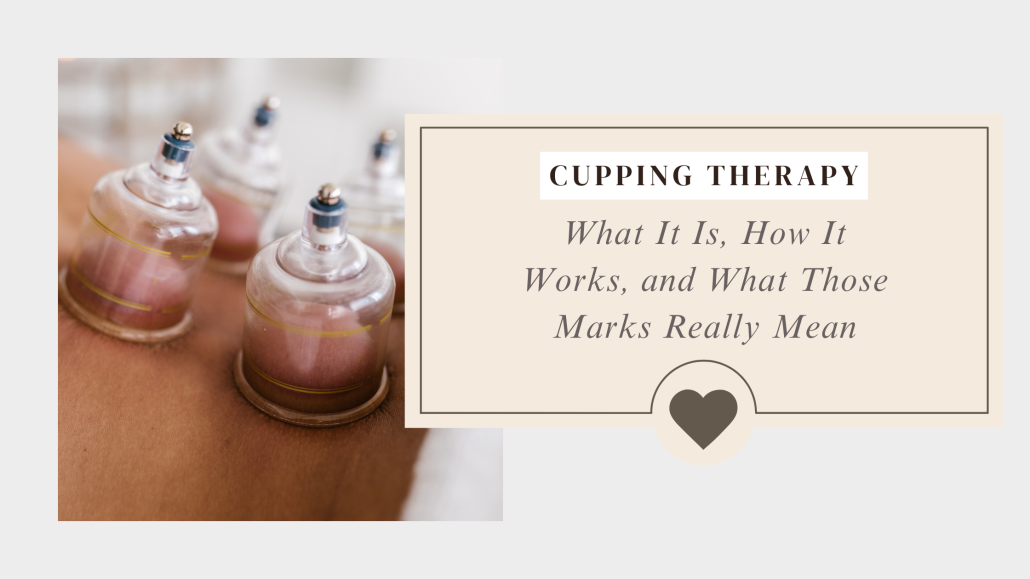
Cupping is a therapeutic technique used to release tension, improve circulation, and support recovery by creating negative pressure on the tissue. At Fever, we use traditional cups with a controlled suction pump coupled with massage therapy, allowing for precise, intentional work tailored to your body.
What Is Cupping Therapy?
Cupping uses a sealed cup placed on the skin and gently suctioned with a hand pump. This creates a lift in the tissue rather than compression.
That lift:
• draws blood flow into the area
• separates layers of muscle and fascia
• reduces restriction and tension
It’s not about pushing deeper – it’s about creating space within the tissue.
Why We Use Controlled Suction Cups
The cups we use allow for:
• precise pressure control based on your tolerance and needs
• consistent suction across different areas of the body
• intentional placement and movement for targeted results
This approach supports both deeper therapeutic work and more fluid, recovery-based techniques without guesswork.
Static vs Dynamic Cupping
Cupping can be applied in two primary ways:
Static Cupping
The cup is placed and left in one spot for a short period.
Used for:
• deep, stubborn tension
• trigger points
• areas of restriction
This allows the tissue to fully decompress and release.
Dynamic Cupping
The cup is gently moved across the body while maintaining suction.
Used for:
• larger muscle groups
• improving circulation
• supporting lymphatic flow
• warming up tissue before deeper work
This creates a gliding, mobilizing effect.
What Cupping Is Doing in the Body
Cupping works by lifting and separating tissue layers.
This can:
• improve blood flow to restricted areas
• reduce fascial adhesions
• support lymphatic movement
• decrease muscular tension
• help shift the body into a more relaxed, recovered state
Instead of compressing into the body, cupping works by lifting the tissue upward, creating space for improved function.
The Benefits of Cupping Therapy
When used intentionally, cupping can:
• relieve muscle tightness and soreness
• improve range of motion
• support recovery after workouts
• reduce chronic tension patterns
• enhance circulation
• promote a sense of ease and relaxation
Many clients notice:
increased mobility and a lighter, more open feeling in the body
What the Colors Mean
Cupping can leave circular marks on the skin, which are a result of increased blood flow to the surface—not traditional bruising.
Light Pink or Faint Color
• mild stagnation
• good circulation
• fades quickly
⸻
Medium Red
• moderate tension or restriction
• common in active or frequently used areas
⸻
Dark Red or Purple
• deeper stagnation
• long-held tension
• areas that may benefit from continued work
⸻
Very Dark / Deep Purple
• significant restriction or chronic tension
• often found in overworked or highly stressed areas
⸻
Important Note
Darker marks are not “better”—they simply reflect how the tissue responded during that session.
With consistent work, many clients notice:
• marks become lighter
• tissue responds more easily
• recovery improves over time
⸻
How to Get the Best Results from Cupping
Stay hydrated
Cupping increases circulation and lymphatic movement. Hydration supports the body’s natural recovery process.
⸻
Allow time for recovery
Give your body space to integrate the work, especially after deeper sessions.
⸻
Keep the body warm
Your tissue has been opened and worked—warmth helps maintain that openness.
⸻
Be consistent
Cupping is most effective when used as part of a regular recovery routine.
⸻
Combine with movement or massage
Pairing cupping with massage or mobility work can enhance and extend results.
⸻
What to Expect After a Session
• mild tenderness in treated areas
• visible marks that fade within a few days to a week
• improved mobility and reduced tension
Many people feel:
looser, lighter, and more balanced shortly after their session
⸻
Final Thought
Cupping is about creating space in the body.
When tension is reduced and tissue can move more freely:
• recovery improves
• movement feels easier
• the body functions more efficiently
It’s a simple, intentional technique that supports both performance and long-term well-being. 🧠✨

